






The Royal Dastarkhwan of Lucknow
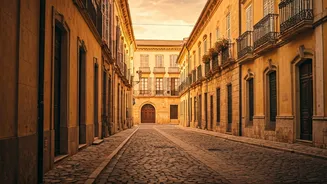
To understand the opulent culture of the Awadhi Nawabs, one must experience their food. Lucknow isn’t just a city; it’s a living culinary museum. The food here is a story of leisure, refinement, and artistry. The famous 'dum pukht' style of slow-cooking,
where food is sealed and cooked in its own juices, was perfected here to preserve the delicate flavours and aromas of expensive spices and tender meats. When you bite into a Galouti Kebab, so soft it dissolves on your tongue, you’re tasting a dish purportedly created for a toothless Nawab. Aromatic biryanis, rich kormas, and delicate breads like the sheermal are not just meals; they are edible chapters of a royal past, best explored in the bustling lanes of Aminabad and Hazratganj.
The Spice Routes of Chettinad
Travel south to Tamil Nadu, and you’ll find the fiery and fragrant cuisine of the Chettiars. This community of merchants and financiers travelled across Southeast Asia, and their food reflects this global journey. The Chettinad trail is a masterclass in spice blending. Star anise, black stone flower (dagad phool), and tamarind create a complex flavour profile that is unique in India. Dishes like Chicken Chettinad, with its robust gravy, and the tangy Kara Kozhambu tell a story of maritime trade routes and cultural exchange. Exploring the grand, decaying mansions of the Chettinad region and then sitting down to a meal served on a banana leaf connects you directly to the legacy of this prosperous and well-travelled community. It’s a sensory experience where the heat of the pepper mirrors the region's vibrant history.
Kolkata's Culinary Melting Pot
Kolkata’s food is a map of its history as a colonial capital and a refuge for various communities. A heritage food walk here is a journey through centuries of influence. Start with the iconic Kathi Roll, a culinary invention born of necessity to serve busy British commuters. Then, explore the legacy of the city’s Armenian and Jewish communities in its bakeries and delis. No trip is complete without tasting the dishes of the last Nawab of Awadh, who was exiled here, bringing his khansamas and their rich Mughlai recipes with him, which later evolved into Kolkata-style biryani with its signature potato. From the British-era clubs serving custards and puddings to the Chinese breakfast in Tiretta Bazaar, every dish in Kolkata has an address and a backstory, making it a delicious lesson in sociology.
Goa's Portuguese-Infused Palate
Goan food is a vibrant fusion of Konkani flavours and over 450 years of Portuguese influence. A food trail here is a journey along the coastline, where fresh seafood meets the distinct tang of vinegar and the warmth of exotic spices. The Portuguese introduced key ingredients like potatoes, tomatoes, pineapples, and, most importantly, chillies, which were enthusiastically adopted into local cooking. This resulted in iconic dishes like Vindaloo (derived from the Portuguese 'vinha d'alhos'), a fiery meat curry, and the milder, coconut-based Xacuti. Even the region's famous bebinca, a layered dessert made with coconut milk, flour, and eggs, tells a story of convent baking traditions meeting local ingredients. To eat in Goa is to taste the long and complex history of cultural exchange between Europe and the Indian subcontinent.