


A New Definition of Luxury
The recently concluded India Couture Week 2026 was a testament to an industry confidently looking forward. For years, the story of Indian high fashion has been intertwined with heritage textiles and traditional embroidery. While that craftsmanship remains
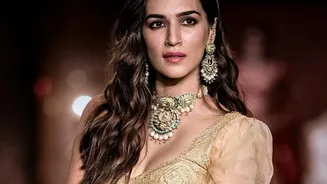
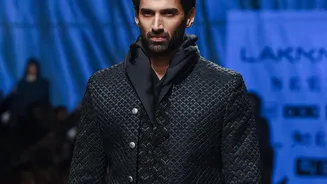
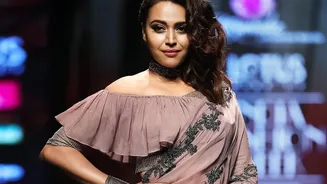
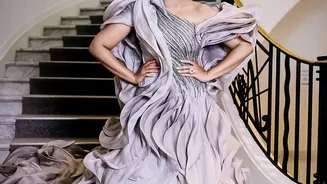
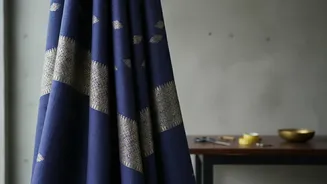
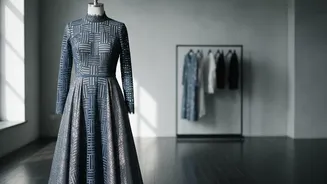
the soul of couture, a new narrative emerged on the runway: one where the very fabric of the garment becomes a statement of innovation. Designers moved beyond the expected, asking a compelling question: what if luxury isn't just about heavy embellishment, but about the audacity of the material itself? This season suggested that the answer lies in everything from metallic polymers and steel wires to bio-engineered threads.
The Material Innovators
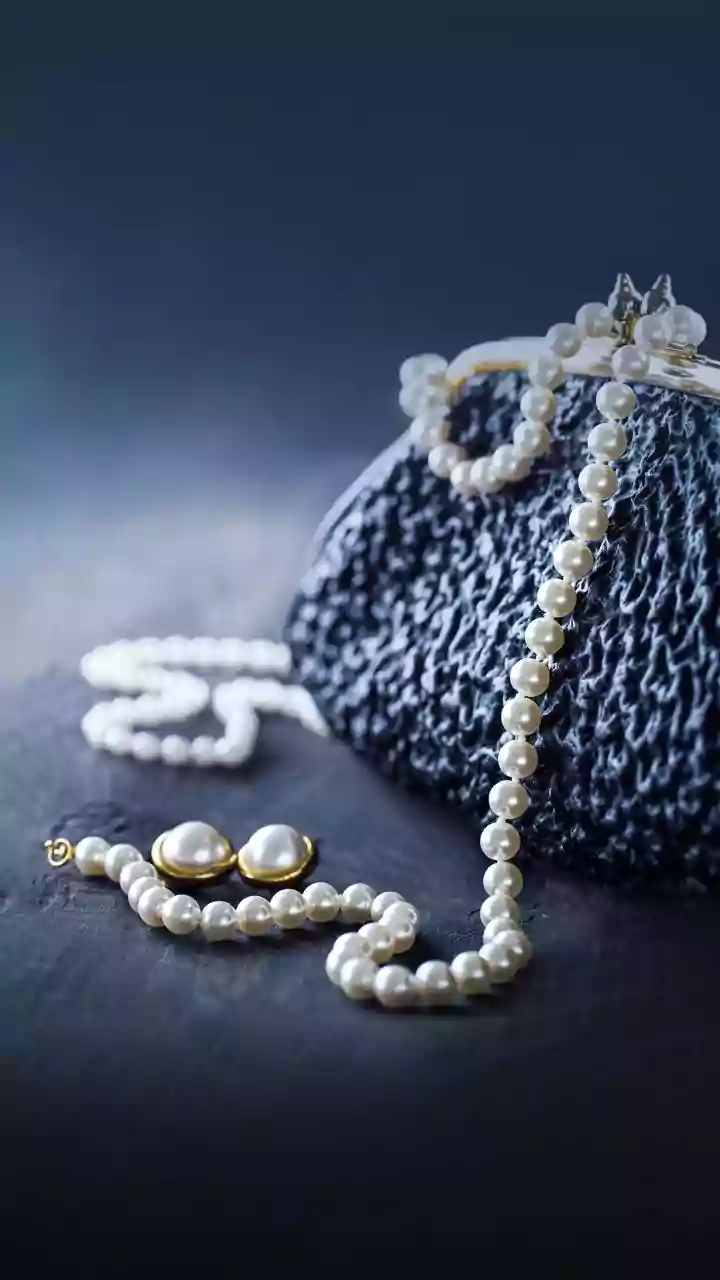
Several designers championed this new direction. Rimzim Dadu, long known for her experimental approach, presented a collection that reimagined mother-of-pearl not as an accent, but as the core textile. Her pieces, which embedded hand-set mother-of-pearl into signature steel wire fabrics, created a texture that was both futuristic and deeply rooted in the concept of inlay work. Anamika Khanna, in a stunning show that opened the week in Hyderabad, played with sheer tulle, metallic threadwork, and sharply cut forms that blurred the lines between menswear and womenswear. Her collection stepped away from predictable silhouettes, using fabric to create structure and drama. Even more traditional occasion wear saw subtle shifts, with designers like Aisha Rao incorporating bio-based materials such as bio-resham into her vibrant, embroidered pieces, signalling a quiet but powerful move towards sustainability.
From Industrial to Ethereal
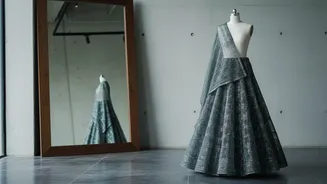
What makes these material choices feel celebratory, rather than simply experimental? It lies in their execution. On the runway, these unconventional textiles didn't feel cold or clinical. Instead, they captured and manipulated light in new ways. Rahul Mishra's grand finale collection, 'Devi', showcased his mastery of 'ektaarka' embroidery, using thread to create surfaces that looked like sculpted stone, turning models into divine, walking sculptures. Falguni Shane Peacock used metallic hues and faux fur to add a layer of modern spectacle to their maximalist designs. These materials allowed for architectural silhouettes and gravity-defying drapes that would be impossible with traditional weaves alone, creating a powerful sense of theatre and occasion. The result was a collection of garments that felt monumental and exciting, proving that a sense of celebration can be crafted from the most unexpected sources.
The Future is Woven
This embrace of unusual materials is more than just a trend; it's a sign of a mature, confident industry. Indian designers are no longer just preserving tradition; they are actively redefining it for a global audience. By fusing heritage techniques with cutting-edge material science, they are creating a new language for couture. It’s a language where sustainability can be luxurious, where technology can feel emotional, and where a piece of clothing is a conversation starter not just for its beauty, but for its ingenuity. This shift ensures that Indian couture remains not only relevant but also a leader in the global fashion conversation, proving that true celebration comes from bold, creative expression, no matter the medium.