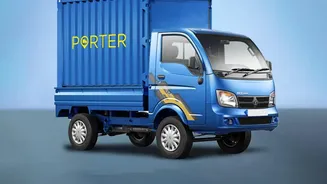







As India gears up for festive celebrations, a massive, temporary workforce mobilises behind the scenes. This is no longer just about extra hands for the seasonal rush; it's a fundamental evolution in how entry-level talent finds its first footing.
The New Scale of Festive Hiring
The
annual festive season in India now triggers one of the country's largest temporary hiring cycles, driven overwhelmingly by e-commerce, quick commerce, and logistics. For 2026, staffing firms project the creation of up to 2.7 lakh temporary and gig jobs, a significant 15-20% increase from the previous year. This surge is a direct response to anticipated spikes in consumer spending. The roles in demand are no longer just in-store assistants; they are overwhelmingly in the operational backbone of digital commerce. Warehouse pickers, packers, dark-store personnel, and last-mile delivery executives form the bulk of these new positions, reflecting the sophisticated supply chains required to meet customer expectations for speed and efficiency.
From Seasonal Stopgap to Strategic Staffing
Historically, festive jobs were seen as short-term stopgaps. Today, companies view this period as a strategic workforce management opportunity. Hiring for flexibility allows businesses to scale operations rapidly to meet peak demand without the long-term financial commitments of permanent staff. More importantly, it has become an extended evaluation window for new talent. Employers are increasingly using the high-pressure festive season to identify high-performing individuals who are familiar with their systems and culture. According to one report, nearly 74% of employers expect to retain at least 10% of their 2026 festive hires, turning a temporary gig into a potential career path. This marks a crucial shift from seeing temporary staff as disposable labour to viewing them as a potential talent pipeline.
The Rise of E-commerce and Quick Commerce
The engine driving this transformation is the phenomenal growth of e_commerce and, more recently, quick commerce. Platforms like Blinkit, Zepto, and Swiggy Instamart have created an entirely new, people_intensive layer of work. Unlike traditional retail, which has seasonal peaks, the 10_minute delivery promise of quick commerce requires a dense, hyperlocal network of dark stores and delivery partners, creating continuous demand for staff. This sector alone is a powerful job creator, with hiring demand growing faster than in broader e_commerce. The expansion is also geographical. While metros like Bengaluru, Mumbai, and Hyderabad remain key hubs, nearly half of the festive workforce demand now comes from Tier 2 and Tier 3 cities, as companies build out micro_fulfilment centres across the country.
A Gateway for Entry_Level Talent
For freshers and young professionals, the festive job market has become a crucial entry point into the workforce. These roles typically require minimal experience and offer rapid onboarding, providing an accessible first step on the career ladder. They offer an opportunity to build valuable, in_demand skills in logistics, customer service, and digital systems. However, the model is not without its drawbacks. Job security is inherently low, and while some may find a path to permanent employment, the majority of roles are temporary by design. Furthermore, while overall hiring is up, recent reports suggest that earnings for gig workers have remained largely flat, with platforms relying on incentives rather than raising base pay, forcing some workers to stay online longer to meet targets.
What This Means for the Future of Work
The evolution of festive hiring is a microcosm of broader shifts in India's labour market. It highlights the growing formalisation of the gig economy, where temporary staffing agencies and digital platforms provide a structured, if precarious, framework for employment. The demand is also shifting from pure volume to more specialised frontline roles, such as inventory coordinators, returns management executives, and warehouse automation operators. This signals that even entry_level jobs are becoming more sophisticated. For India's youth, the ability to navigate this flexible, tech_driven, and often uncertain job market is no longer just an option but an essential skill for building a modern career.