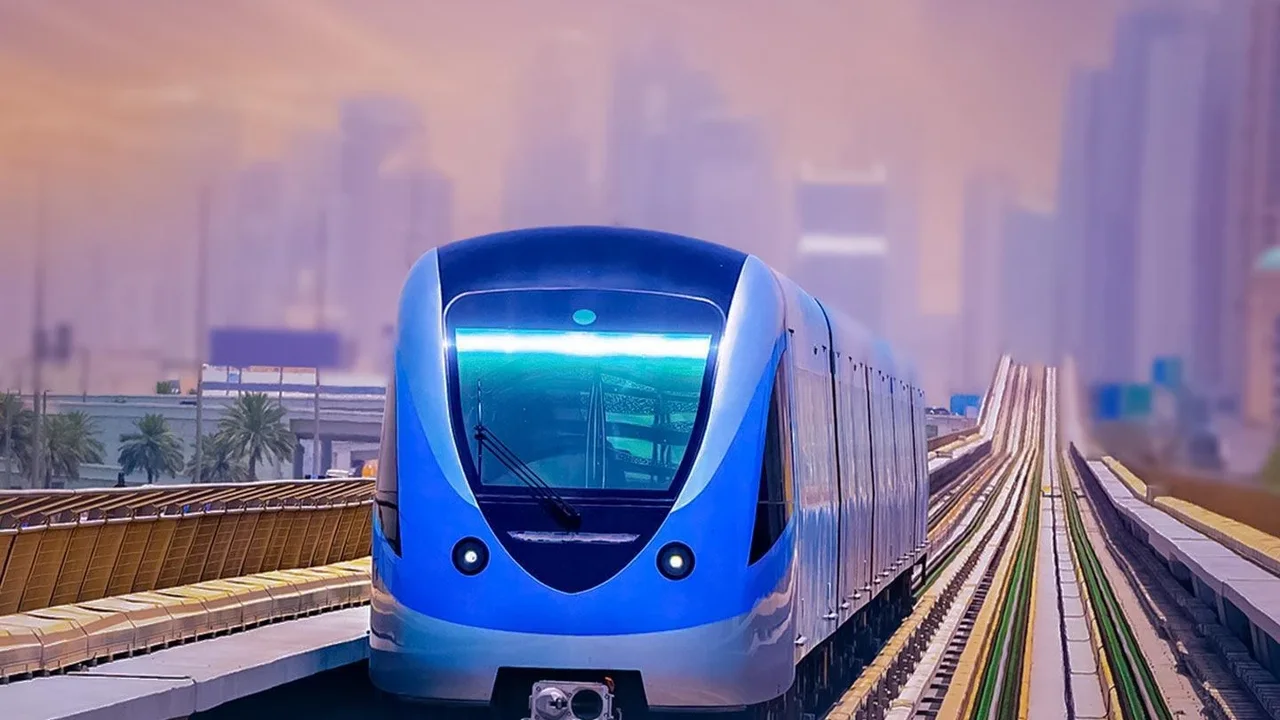




A Record-Breaking Achievement
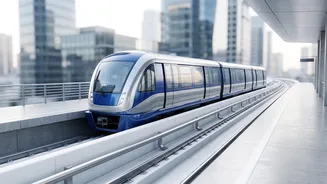
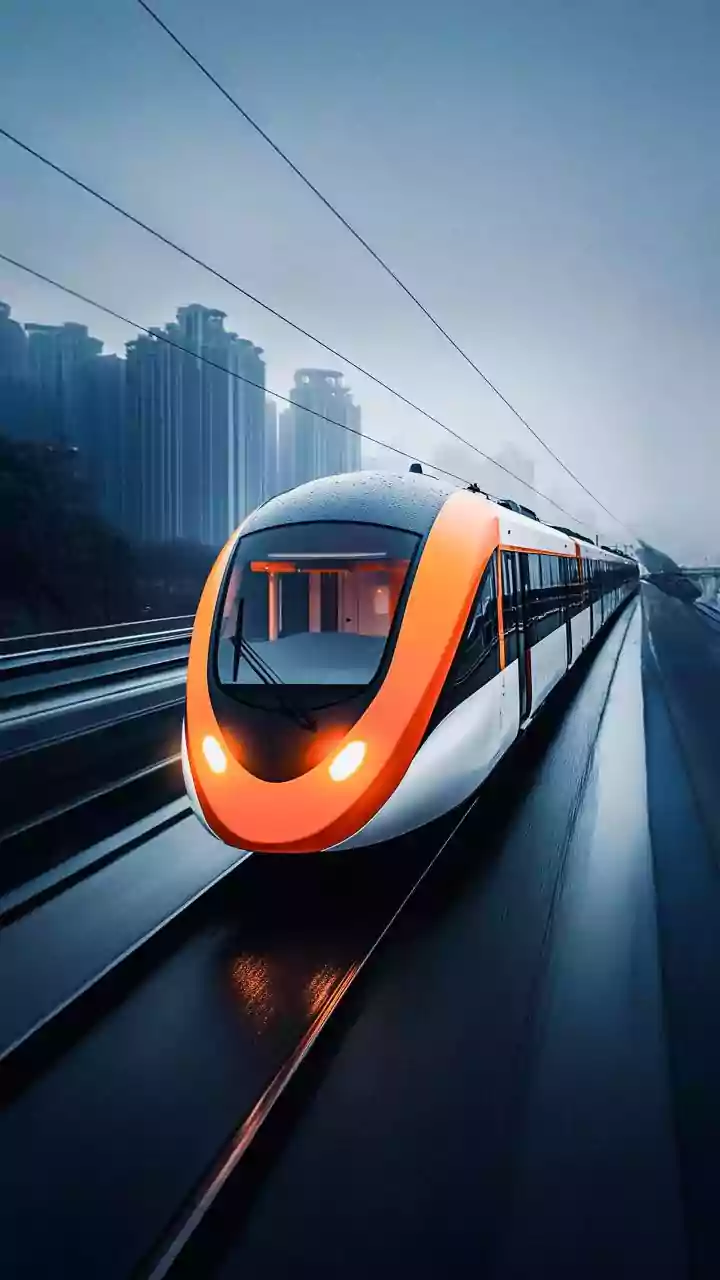
On November 2, 2026, the Delhi Metro’s automated network experienced an unprecedented surge, carrying 1.6 million commuters on its driverless trains. This single-day figure, driven by the pre-Diwali travel rush, meant that roughly one in every five of
the metro's eight million daily passengers that day travelled on the advanced system. This isn't just a number; it's a powerful vote of confidence from the public in the Unattended Train Operation (UTO) technology that powers these lines. The achievement firmly establishes the driverless corridors as a vital and heavily-used part of Delhi's public transport infrastructure, handling a volume of people greater than the entire population of Arunachal Pradesh.
The 120 km Automated Network
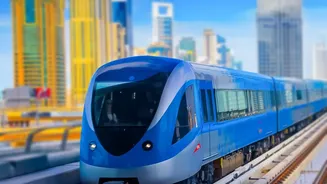
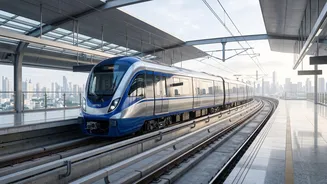
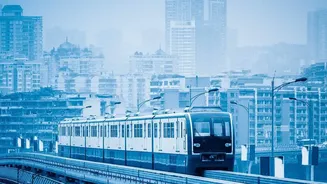
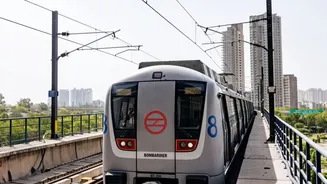
The record was set across the combined 120 km network of the Magenta and Pink Lines, which are currently the only lines in India equipped with driverless technology. This system, which accounts for about 29% of the entire Delhi Metro network, places Delhi Metro among the world's leading automated transit systems. The journey began in December 2020, when the Magenta Line became India's first-ever driverless metro corridor. This was followed by the much longer Pink Line adopting the technology in November 2021, creating the extensive automated network that is operational today. With 100 UTO trains in its fleet, the Delhi Metro Rail Corporation (DMRC) has successfully scaled a technology that was once a futuristic concept into a daily reality for millions.
How Driverless Technology Works
Driverless trains operate using an advanced signalling system known as Communication-Based Train Control (CBTC). This technology allows for real-time communication between the trains and a central control centre, which manages everything from speed and braking to door operations and station docking. The absence of a driver’s cabin increases passenger capacity and allows for greater operational flexibility. Automated pre-induction checks and self-tests help improve reliability and reduce the chances of human error. While the trains are fully automated, roaming attendants were initially present to build commuter confidence, and the entire system is monitored through extensive CCTV surveillance and real-time video feeds to ensure passenger safety at all times.
Benefits for the Daily Commuter
For the average passenger, the shift to driverless operations has brought tangible improvements. The automated system allows for higher frequency of trains, reducing waiting times on platforms, especially during peak hours. Automation ensures precision in operations, leading to enhanced punctuality and reliability, with DMRC reporting an overall punctuality rate of 99.95% in 2026. The removal of the driver’s cabin has also freed up more standing space inside the coaches, a small but welcome change for those travelling on crowded routes. According to DMRC's Managing Director, Vikas Kumar, the system brings more flexibility, reduces human intervention, and ultimately improves the availability of coaches for service.
The Future of Automated Transit in India
The success on the Magenta and Pink lines serves as a powerful case study for other cities in India. With metro systems operational in 26 cities, the debate is now shifting towards whether more networks should adopt the UTO model. The DMRC itself has ambitious plans for expansion. Upon completion of the ongoing Phase IV projects, Delhi’s driverless network is expected to grow to nearly 198 km, which would make it one of the largest in the world. While there are discussions around higher initial costs, the operational advantages in terms of efficiency, safety, and reliability are proving to be significant. Addressing concerns about job losses, the DMRC has confirmed that train operators have been redeployed to other critical roles like station management and crowd control, ensuring a smooth transition.