





The Old Geographic Disadvantage
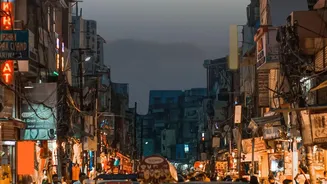
Not long ago, the path for an ambitious designer from a city like Jaipur, Lucknow, or Kochi was clear: pack your bags for Mumbai, Delhi, or Bengaluru. The country’s creative and commercial opportunities were heavily concentrated in these Tier 1 hubs.
Big clients, top agencies, professional networks, and access to cutting-edge technology were all part of a world that felt distant to anyone outside the metros. This geographic lottery created a significant barrier. Talented creators in smaller cities faced limited local demand, lower budgets, and a lack of exposure to global design trends, making it nearly impossible to compete for high-value international projects.
AI as the Great Equalizer
The rise of generative AI platforms has fundamentally disrupted this old model. Tools like Adobe Firefly, Midjourney, and Canva's AI suites are not just fancy software; they are powerful collaborators that democratize high-end design capabilities. These platforms can generate stunning visuals, create multiple design variations in seconds, automate repetitive tasks like background removal, and even help in complex processes like creating 3D models or website prototypes. For a freelancer in a Tier 2 city, this is revolutionary. Access to these tools, which are often cloud-based and affordable, eliminates the need for expensive hardware and software licenses that were once the exclusive domain of large city-based agencies.
From Manual Labour to Creative Direction
One of the most significant shifts driven by AI is the change in the nature of design work itself. AI automates the tedious, time-consuming aspects of design, freeing up creators to focus on strategy, concept, and client needs. A single designer can now accomplish what used to require a small team. They can generate dozens of logo options, create a complete brand identity kit, or produce a social media campaign in a fraction of the time. This allows them to 'turbocharge' their skills, moving from being just a pair of hands executing a brief to becoming a creative director or strategist who guides the AI to achieve the best outcome. This boost in productivity enables them to take on more complex projects and compete with larger agencies on speed and scale.
Bridging the Skill and Confidence Gap
AI tools also serve as powerful aids for upskilling. A talented illustrator, for instance, might lack the technical expertise for UI/UX design. AI platforms can help bridge that gap by turning their sketches into functional wireframes, allowing them to enter new, lucrative service areas. This augmentation of skills is crucial for creators in smaller cities who may not have access to specialized training institutes. As they experiment and deliver work using these tools, their confidence grows, empowering them to pitch for international clients on global freelancing platforms. They can now build a portfolio that showcases a wider range of abilities, making them more attractive to a global client base that values results over location.
Challenges on the New Frontier
Despite the immense opportunities, the path is not without its challenges. While reports show that two-thirds of India's creators now come from non-metro areas, monetisation remains a hurdle for many. Furthermore, AI cannot replace the core tenets of good design: taste, cultural understanding, client communication, and ethical judgment. As one expert noted, democratizing the tools doesn't democratize taste. The most successful creators will be those who use AI to enhance their unique creative vision, not replace it. The ability to critically evaluate AI-generated outputs and infuse them with a human touch will become the most valuable skill of all.