



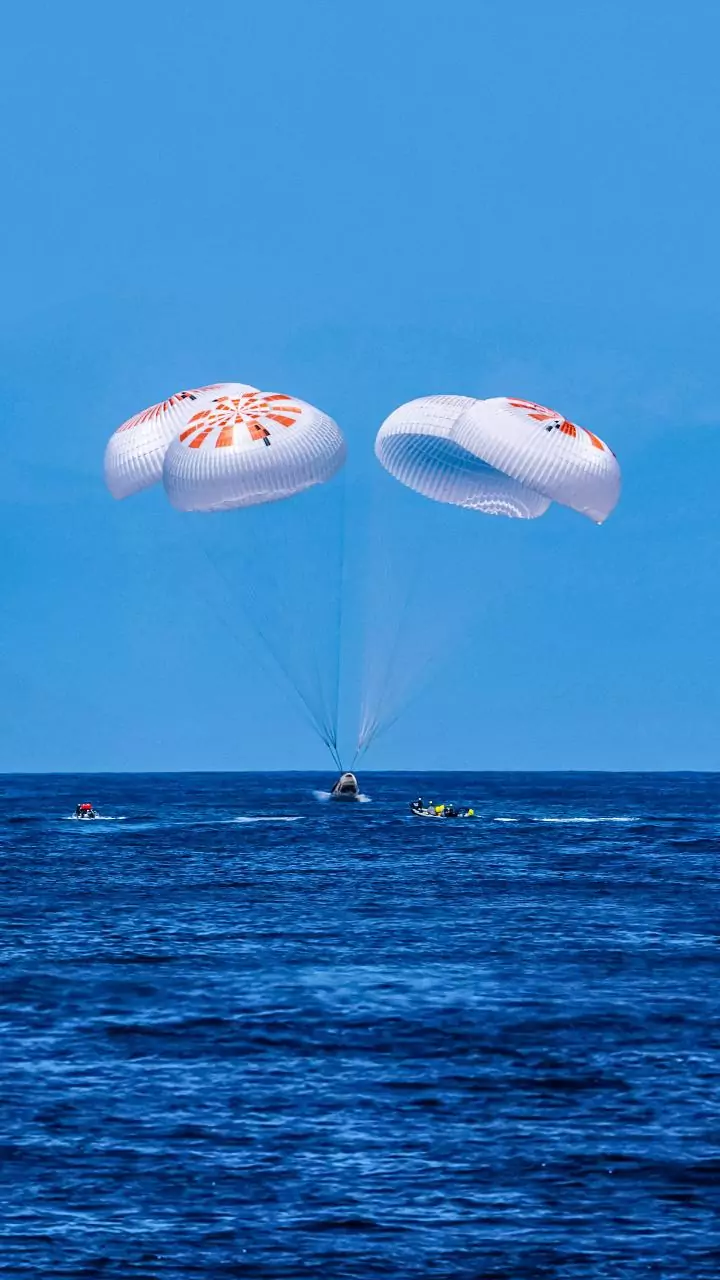
A Fiery Return with Precious Cargo
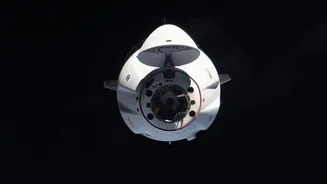
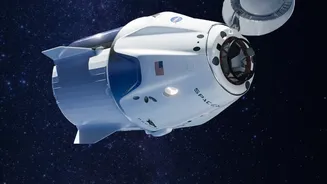
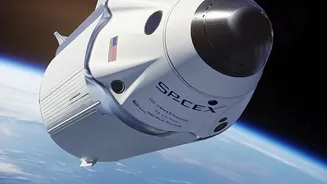
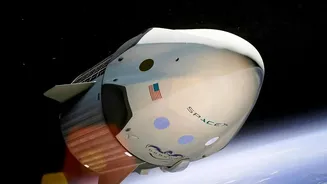
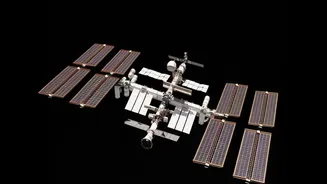
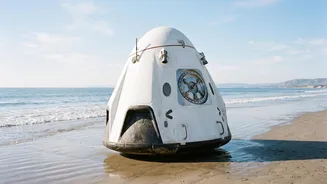
SpaceX's 35th commercial resupply mission for NASA, known as CRS-35, concluded with the successful splashdown of its Dragon cargo capsule in the Pacific Ocean on November 21. The uncrewed spacecraft undocked from the ISS on November 20, beginning its 29-hour
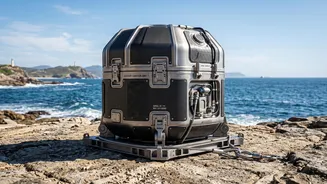
journey home. Unlike other cargo vehicles that burn up on reentry, the Dragon is designed to return materials to Earth, making it essential for scientific research. Onboard were numerous time-sensitive experiments, including biological samples and hardware from a suite of studies aimed at improving human health both in space and on the ground. Teams quickly recovered the capsule to rush the samples to labs for analysis.
The Challenge of Sleep in Orbit
Getting a good night's sleep in space is notoriously difficult. Astronauts on the ISS experience a sunrise every 90 minutes, which can throw off their natural 24-hour biological clocks, or circadian rhythms. The microgravity environment also presents challenges; without the feeling of lying down, it can be hard to get comfortable. Add to that the constant hum of machinery and the psychological stress of living in a confined, high-stakes environment, and it's no surprise that astronauts often average less than the recommended amount of sleep. This isn't just a matter of comfort. Chronic sleep deprivation can impair cognitive performance, memory, and decision-making, which are critical for mission safety. Understanding and mitigating these effects is a top priority for NASA as it plans for long-duration missions to the Moon and Mars.
Inside the Astronaut Sleep Study
Among the key items returned on CRS-35 was equipment from an ongoing investigation into astronaut sleep. Specifically, a specialized lighting system that spent more than three years aboard the station was brought back for analysis. This system was tested to see if it could help astronauts maintain a more regular sleep-wake cycle, potentially improving their well-being and performance on long missions. Past and current studies on the ISS have used various technologies to monitor sleep, from wearable sensors that track activity and light exposure to headbands that record brain activity (EEG) during sleep. By comparing data recorded in space with baseline readings taken on Earth, scientists can pinpoint the physiological effects of spaceflight on sleep patterns.
From Space Station to Laboratory
With the hardware and data from the sleep study now back on Earth, the real work begins for researchers. They will analyze the performance of the lighting system and correlate its use with sleep data collected from the astronauts. The returned cargo also included other critical experiments, such as 3D-bioprinted blood vessel constructs used to study cardiovascular aging and frozen tumor organoids that were treated with experimental drugs in orbit. Studying these biological samples, which change rapidly once they return to Earth's gravity, provides insights that are impossible to gain from ground-based research alone. The results could lead to new ways to treat cancer, combat cardiovascular disease, and understand how bacteria develop antibiotic resistance.
Implications for Mars and Earth
The research conducted on the ISS, including the sleep study, has profound implications for the future of space exploration. Ensuring astronauts can remain healthy, well-rested, and at peak performance is essential for undertaking ambitious multi-year missions to Mars. Lessons learned from managing sleep in microgravity could inform the design of future spacecraft and habitats. But the benefits are not limited to space. The research into circadian rhythm disruption and sleep deprivation can also help people on Earth who struggle with sleep disorders, including shift workers and those with chronic insomnia. By studying sleep in one of the most extreme environments imaginable, scientists are uncovering fundamental truths about human biology that can help us all live healthier lives, no matter where we are.