





Start with the Right Pot
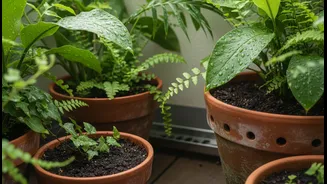
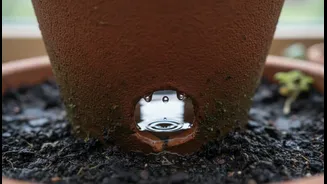
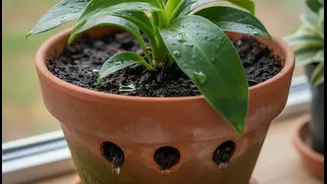
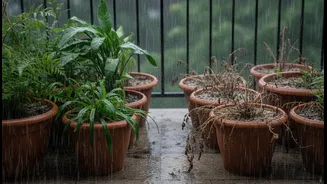
The foundation of good drainage is the container itself. Ensure every pot has at least one, if not several, drainage holes at the bottom. Without an exit route, water will stagnate, starving roots of the oxygen they need to survive. Terracotta or clay
pots are excellent choices as their porous nature allows excess moisture to evaporate through the walls, helping the soil to breathe. If you have a decorative pot without holes, use it as a cachepot. Place your plant in a slightly smaller nursery pot with holes, and then set that inside the decorative one. Just remember to empty any collected water from the outer pot after heavy showers.
Craft a Well-Draining Soil Mix
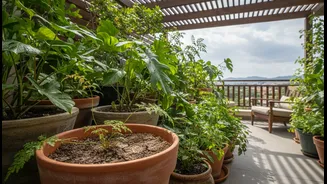
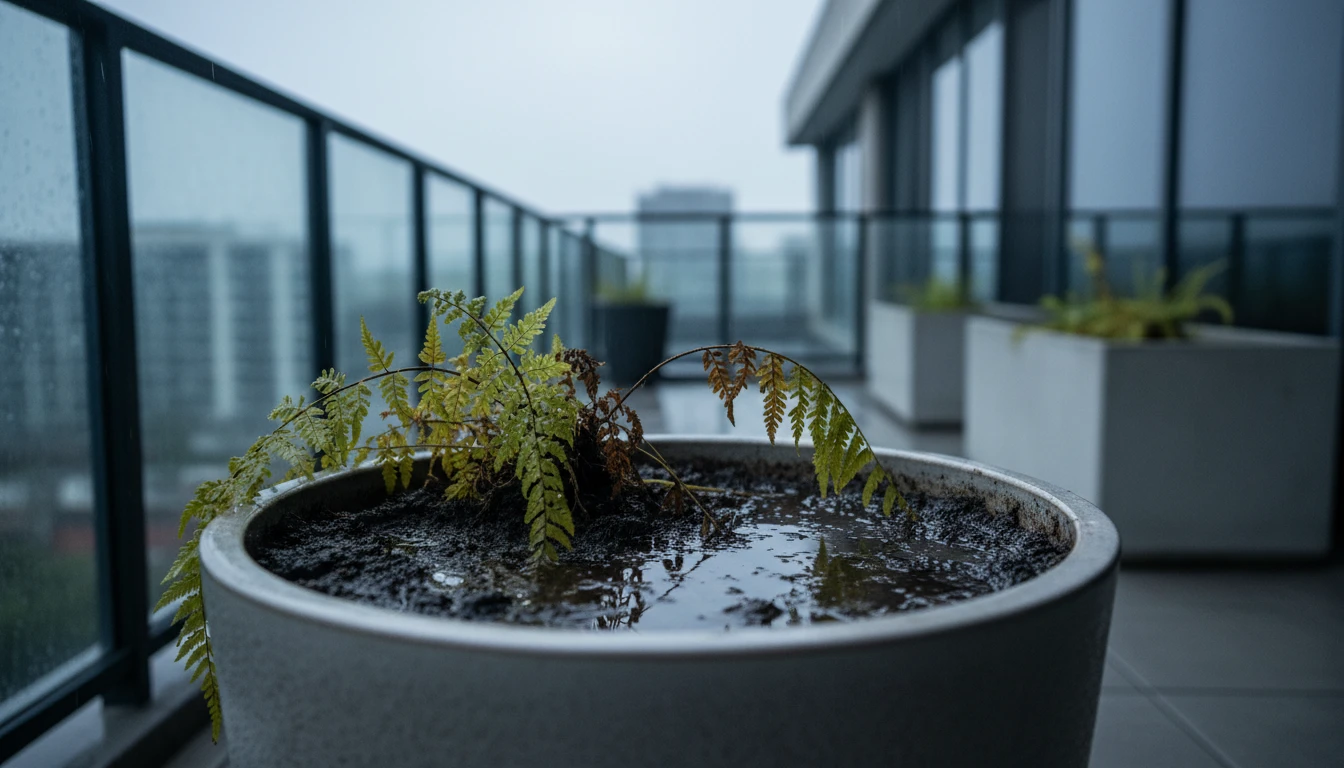
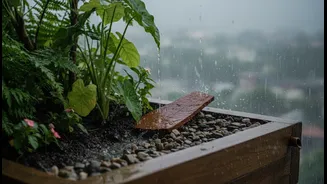
Standard garden soil is often too dense for containers and can become heavily compacted during the monsoon, leading to waterlogged roots. Creating your own potting mix is a simple way to guarantee good drainage. A balanced and effective recipe for most balcony plants involves a mix of garden soil, compost, and a material that improves aeration and drainage. A common ratio is 40% garden soil, 30% compost (like vermicompost), and 30% cocopeat or coarse sand. Cocopeat helps retain adequate moisture while keeping the soil structure light, while sand or perlite creates air pockets that allow excess water to flow through freely.
Elevate Your Pots
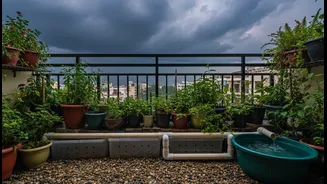
One of the simplest yet most effective ways to prevent waterlogging is to lift your pots off the ground. Placing pots directly on the balcony floor can cause drainage holes to become blocked or sit in puddles of water. Use pot feet, bricks, wooden blocks, or even simple bottle caps to create a small gap underneath your containers. This elevation allows air to circulate and ensures that excess water can escape freely after a downpour, significantly reducing the risk of root rot. Promptly emptying any water that collects in the saucers beneath your pots is also a crucial habit to adopt during the rainy season.
Improve Aeration
Heavy monsoon rains can compact the top layer of soil in your pots, forming a crust that prevents air and more water from penetrating properly. To combat this, gently loosen the top few inches of soil every few days using a small hand trowel or even a sturdy stick. This practice, known as aeration, breaks up the compacted surface, improves airflow to the roots, and helps subsequent water drain more effectively instead of running off the surface. Be careful not to dig too deep to avoid damaging the plant's root system.
Adjust Your Watering Schedule
It seems obvious, but it’s easy to overwater plants during the monsoon out of habit. The humid air and frequent showers mean your plants will need significantly less manual watering. Always check the soil before reaching for the watering can. A simple test is to insert your finger about an inch into the soil. If it feels moist, hold off on watering. Overwatering is one of the most common reasons for plant failure in the monsoon, as the combined moisture from your watering and the rain can quickly lead to root rot.
Hold Back on Fertiliser
While you may want to encourage growth, it’s wise to reduce the use of fertilisers during periods of heavy and continuous rain. The excessive water flow can quickly wash away, or leach, nutrients from the soil, meaning your plant doesn't benefit from the application and the fertiliser is wasted. If you do need to feed your plants, opt for a slow-release organic compost. This will provide a gentle and steady supply of nutrients without overwhelming the plant in wet conditions.
Emergency Measures for Waterlogged Plants
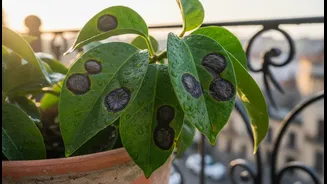
If you notice signs of overwatering like yellowing leaves, wilting despite wet soil, or a foul smell from the pot, you must act quickly. If possible, gently tilt the pot to drain any immediate excess water. Move the plant to a sheltered, shady spot to reduce stress and allow it to dry out without the added pressure of direct sun. In severe cases, you may need to carefully remove the plant, inspect the roots for rot (trimming any black, mushy parts), and repot it in fresh, drier soil.