




The Proposal Explained
During the 23rd India-ASEAN Summit in Manila, Philippines, Prime Minister Narendra Modi announced a proposal to offer free electronic tourist visas to citizens of the Association of Southeast Asian Nations (ASEAN). This initiative would cover all 11 member
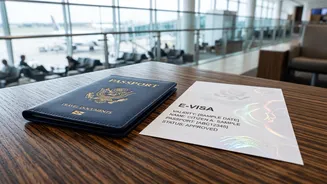
countries: Brunei, Cambodia, Indonesia, Laos, Malaysia, Myanmar, the Philippines, Singapore, Thailand, Timor-Leste, and Vietnam. It is important to note that this is a waiver of the visa fee, not an offer of visa-free travel. Travellers would still need to complete the online e-visa application process, but the associated government fee would be eliminated. The government has not yet announced a date for when this policy will be implemented or the final eligibility conditions.
Harmonising an Existing Policy
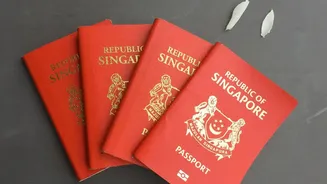
The proposal aims to standardise a policy that already offers benefits to several ASEAN members. Currently, citizens of Indonesia and Myanmar enjoy completely free e-tourist visas for all durations (30-day, 1-year, and 5-year). Citizens of Malaysia, the Philippines, and Thailand can get a 30-day e-tourist visa for free, but have to pay for longer-term visas. The remaining six nations—Brunei, Cambodia, Laos, Singapore, Timor-Leste, and Vietnam—currently pay fees for all e-tourist visa categories. For these countries, the 30-day e-visa fee is typically $10 during the low season (April-June) and $25 during the high season (July-March), with higher fees for one-year and five-year options. The new proposal would extend the fee waiver to these six countries, creating a uniform policy across the entire bloc.
A Boost for the 'Act East' Policy
This visa fee waiver is a key component of India's 'Act East' Policy, a diplomatic initiative launched in 2014 to deepen economic and strategic relationships with Southeast Asian nations. The policy evolved from the 'Look East' Policy of the 1990s, shifting from a focus on economic ties to a more comprehensive engagement that includes security, cultural exchange, and people-to-people connectivity. By making travel more affordable and accessible, India aims to strengthen cultural bonds and encourage tourism, which is seen as a powerful tool of soft power diplomacy. This initiative was announced alongside other proposals for cooperation in maritime security, disaster management, and technology, underscoring a multi-faceted approach to regional partnership.
What This Means for Travellers and Tourism
For tourists from the six ASEAN countries still paying visa fees, the change will result in direct cost savings, making India a more financially attractive destination. While the fee itself is modest for short trips, its removal simplifies the travel planning process and sends a welcoming message. The move is expected to significantly boost inbound tourism from the ASEAN region, which is already an important source market with direct flights to nine of the member countries. This influx of visitors would benefit not only airlines and hotels but also local tour operators, restaurants, and artisans across India's popular tourist circuits. The proposal aligns with a broader vision to make India a global tourism hub, with government think tanks recently recommending visa simplification to attract 100 million foreign tourists by 2047.