




The Current State of Play
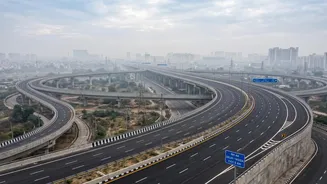
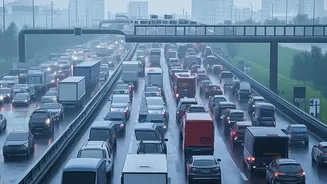
Commuters heading into Delhi from neighbouring cities like Noida and Gurugram must be aware of several active and upcoming restrictions. Currently, traffic advisories are in place for several areas due to Dussehra celebrations and other events, affecting
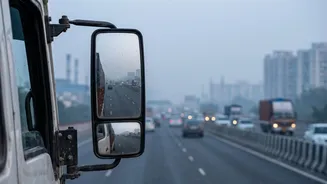
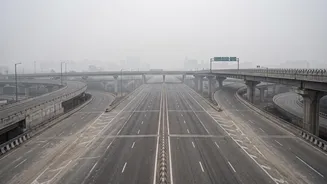
roads in Dwarka, parts of South Delhi, and the area around Rajghat. These are often dynamic, with police imposing regulations based on real-time traffic flow. More significant, however, are the sweeping pollution control measures scheduled to begin on November 1, 2026. These form part of the government's Winter Action Plan to combat the seasonal decline in air quality. Commuters should anticipate increased checks and potential diversions at border points as these rules come into effect.
Pollution Rules: The GRAP Framework
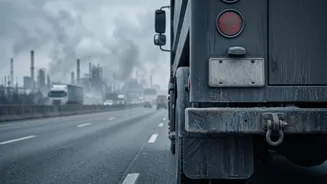
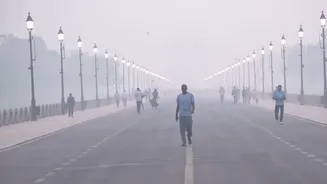
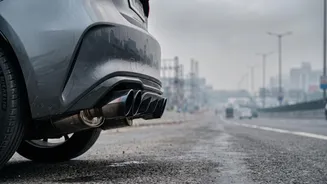
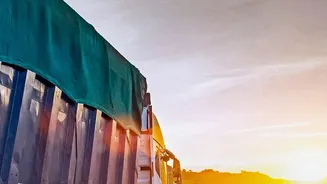
The primary driver of these wide-ranging restrictions is the Graded Response Action Plan (GRAP), a set of emergency measures that activate progressively as air quality worsens. As of late October, Delhi's air quality has been fluctuating, prompting authorities to prepare for the implementation of stricter GRAP stages. From November 1, 2026, to January 31, 2027, Delhi will ban the entry of commercial vehicles registered outside the capital that do not meet BS-VI emission standards. This specifically targets older, more polluting trucks and buses. Only CNG-powered vehicles, electric vehicles, and those carrying essential goods will be exempt.
How Private Vehicles Are Affected
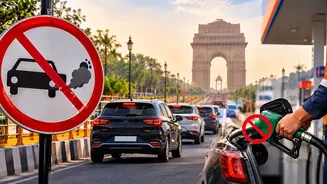
While the main focus of the November 1 ban is on commercial vehicles, private car owners are not entirely off the hook. A major component of the Winter Action Plan is the 'No PUCC, No Fuel' policy. Starting November 1, fuel stations across Delhi will be prohibited from selling petrol or diesel to any vehicle that does not have a valid Pollution Under Control Certificate (PUCC). This rule is designed to ensure that all vehicles on the road comply with emission norms. Though GRAP stages can include restrictions on older private vehicles (like BS-III petrol and BS-IV diesel cars), these 'odd-even' style bans are typically enforced only when air quality hits the 'Severe' or 'Severe Plus' categories and are not part of the baseline November 1 rules.
Other Measures to Know About
Beyond vehicle entry, the government's plan includes other steps that will indirectly affect commuters. To reduce traffic congestion, government and private offices have been advised to implement 50% work-from-home policies starting November 1. Furthermore, parking fees at authorised facilities are set to double during the winter months to discourage the use of private cars. Restrictions on construction and demolition activities will also be enforced to control dust pollution. While these rules are aimed at improving air quality, they underscore the multi-faceted approach that will change the daily rhythm of the city, making public transport or remote work more attractive options.
Your Commuter Survival Kit
Given that restrictions can be imposed with little notice, staying updated is key to a hassle-free commute. Commuters are strongly advised to check for the latest information before starting their journey. The most reliable sources for real-time updates are the official social media handles and websites of the Delhi Traffic Police and Gurugram Traffic Police. Many news outlets and apps also provide live traffic reports and explain new regulations as they are announced. For those travelling across state lines, allocating extra travel time is essential, as border checks and diversions can cause significant delays, especially during peak hours. Planning your route in advance and considering public transport like the Delhi Metro can save you from being stuck in unexpected gridlock.