




Why Low-Impact Cardio Matters
Cardiovascular exercise is essential for a strong heart, but many people associate it with high-impact activities like running and jumping that can be tough on the joints. Low-impact cardio offers a powerful alternative. It refers to any exercise that raises
your heart rate while minimizing stress on your ankles, knees, and hips. These activities are ideal for beginners, individuals with arthritis or joint pain, those recovering from injury, or anyone looking for a sustainable way to stay active. By reducing the risk of injury, low-impact workouts allow for consistency, which is a key factor in improving long-term cardiovascular health. You can achieve significant benefits, including a stronger heart, improved circulation, and better endurance, all without the jarring forces of high-impact routines.
Swimming and Water Aerobics
Often called the ultimate low-impact workout, swimming provides a full-body challenge with virtually zero stress on the joints. The water's buoyancy supports your body weight, which allows for free movement and can alleviate pain for those with conditions like arthritis. Swimming engages muscles in your arms, legs, and core, delivering a comprehensive workout that strengthens the heart and improves lung capacity. It’s an incredibly efficient way to burn calories and boost cardiovascular fitness. Water aerobics is another fantastic option, offering a structured, social, and supportive environment to get your heart rate up without any jarring movements.
Cycling (Indoor or Outdoor)
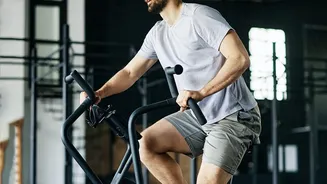
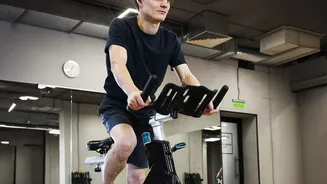
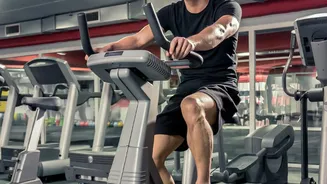
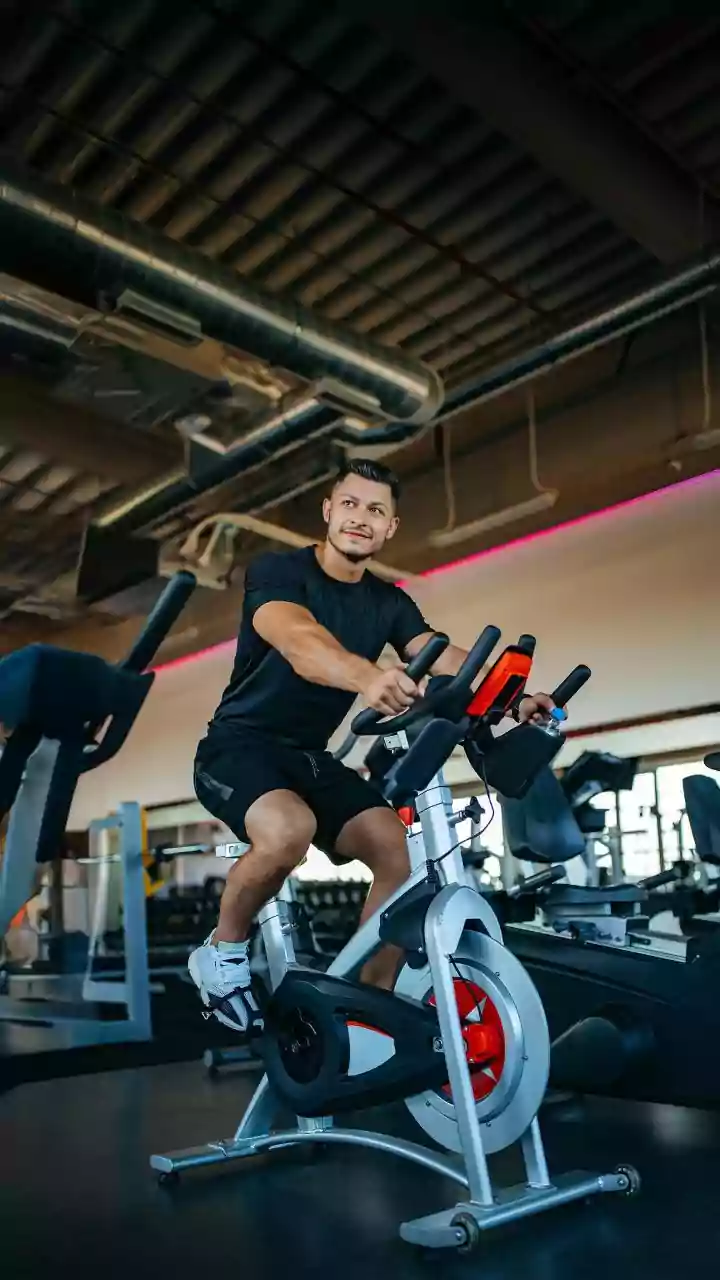
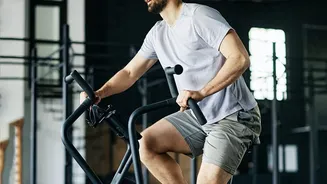
Whether on a stationary bike or out on the road, cycling is a stellar low-impact exercise that builds serious cardiovascular endurance. The smooth, circular motion is gentle on the knees and hips, making it a great choice for people who find walking or running painful. Cycling strengthens the heart, improves blood circulation, and works major muscle groups in the lower body, including the quadriceps, hamstrings, and glutes. You can easily adjust the intensity by changing your speed or resistance, making it suitable for all fitness levels. Regular cycling has been shown to reduce the risk of heart disease and help manage blood pressure.
The Elliptical Trainer
The elliptical machine was specifically designed to provide a low-impact workout that mimics the motion of running without the associated stress on the joints. Your feet remain on the pedals, creating a smooth, gliding movement that's easy on the body. Most ellipticals feature moving handlebars, allowing you to engage your upper body for a full-body workout that increases calorie burn and cardiovascular demand. It's an excellent tool for improving heart and lung function, increasing stamina, and building endurance safely and comfortably.
Rowing
Don't overlook the rowing machine—it provides one of the most effective full-body, low-impact workouts available. Rowing engages an estimated 86% of your body's muscles across the upper body, lower body, and core with every stroke. This comprehensive muscle engagement raises your heart rate efficiently, making it a powerful tool for improving cardiovascular health. The seated position and fluid motion mean there is virtually no impact on your joints, reducing the risk of injury while providing a workout that builds both strength and endurance.
Brisk Walking
Never underestimate the power of a simple walk. Brisk walking is one of the most accessible and effective forms of low-impact cardio. It requires no special equipment and is easy on the joints while still providing significant heart-health benefits. To make it a true cardio workout, focus on increasing your pace so your heart rate elevates and you're slightly out of breath. You can increase the intensity further by walking on an incline or adding hills to your route, which engages more muscles and burns more calories without adding impact.