



The Unscheduled Escape
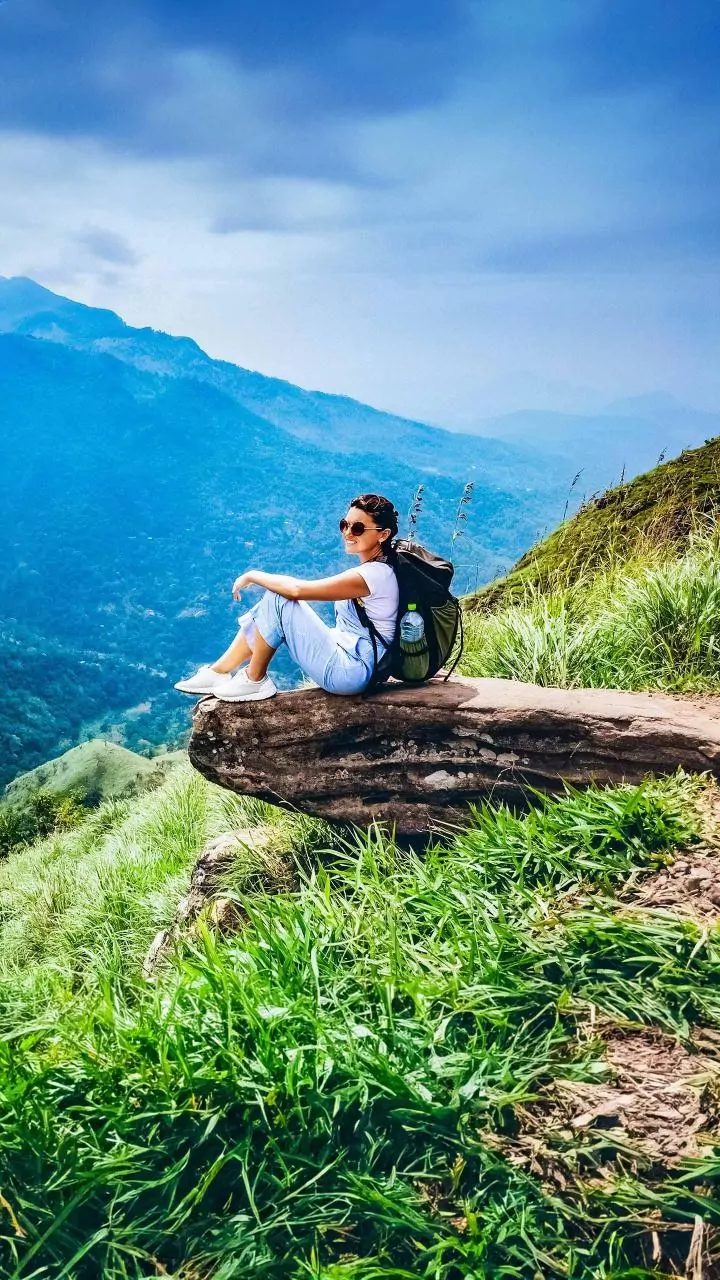
Forget detailed, hour-by-hour schedules. The no-itinerary holiday is built on spontaneity. It’s the art of arriving in a destination with minimal plans, allowing curiosity and local discoveries to guide the way. This trend, often linked with 'slow travel',
prioritises immersion over checklists. Instead of rushing between five cities in seven days, travellers might stay in one place, exploring its rhythm without pressure. Recent reports show a major shift: a 2026 Airbnb study found 64% of Indian Gen Z travellers deliberately leave parts of their trip unplanned to make space for exploration. For them, travel is becoming less of a planned event and more of a reflexive response to an open weekend or the need for a break.
A Cure for Modern Burnout
A key driver behind this trend is a reaction to the high-pressure, always-on nature of modern work culture. With a 2024 Deloitte survey revealing that 70% of Indian Gen Z and millennials experience workplace burnout, travel is no longer just a luxury but a necessary escape. The idea of a holiday that mirrors the rigid structure of a work week is losing its appeal. Instead, young professionals are seeking genuine downtime. A recent Booking.com study found that 32% of spontaneous travellers described their trip as being 'cheaper than therapy'. This generation travels not just to see new places, but to rest, slow down, and do nothing at all, a sentiment shared by two in three Gen Z travellers.
The Search for Authenticity
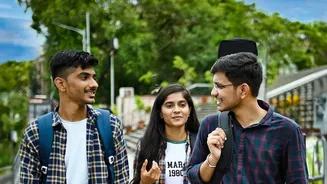
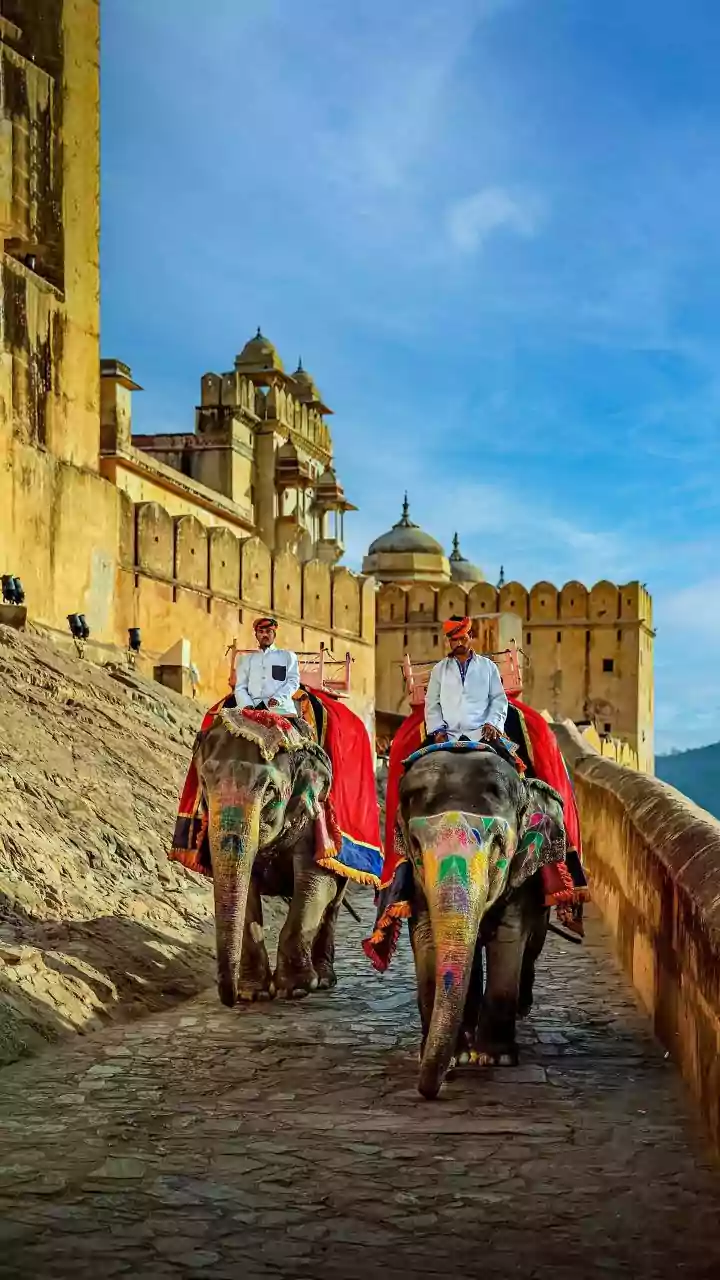
Today's young traveller is on a quest for experiences that feel personal and unique. According to one report, a staggering 95% of Indian Gen Z travellers say it's important that their trip feels unique, not typical or pre-planned. This has led to a rejection of algorithm-driven recommendations, with 90% stating they are likely to seek out places that haven't gone viral online. The goal is to connect with a destination authentically—by eating at local dhabas, staying in homestays, or learning a local craft. It’s a move away from performative tourism towards genuine cultural immersion. For this cohort, how they travel is an act of self-expression; 87% agree that their travel style reflects who they are as a person.
Technology as the Great Enabler
Ironically, this desire for unplanned freedom is heavily enabled by technology. Spontaneity is no longer a logistical nightmare. With last-minute booking apps for flights and accommodation, digital maps, and a wealth of online travel communities, a trip can be arranged in hours. The rise of 'workations' is also a factor, with hostels and homestays in mountain destinations like Himachal Pradesh and Ladakh offering long-stay packages with high-speed internet. This allows digital nomads and remote workers to blend work with slow, immersive travel. One study found 66% of Gen Z travellers book within just days or weeks of their departure, highlighting a major shift towards impulsive decision-making.
From Annual Holiday to Regular Ritual
The single, long annual holiday is becoming a relic. Data shows that seven in ten young travellers in India would rather take three short trips than one long one. Moreover, 87% prefer trips that last under a week. Travel is becoming a frequent, integrated part of life rather than a once-a-year event. Trips are triggered by small wins, the need for a change of scenery, or even just a tough week at work. More than half of Indian travellers have taken a trip for no specific reason at all. This shift indicates that travel is evolving from a milestone celebration into a regular wellness practice for a generation that values experiences over possessions.