



The Danger in Puddles
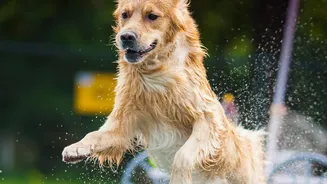
That innocent-looking puddle your dog loves to splash through can be a toxic soup of contaminants. Stagnant water is a prime breeding ground for dangerous bacteria, most notably Leptospira, which causes leptospirosis. This severe bacterial infection is spread
through the urine of infected animals like rodents, which are more active during the monsoon. When a dog drinks or wades through contaminated water, the bacteria can enter their system, leading to kidney and liver failure. Symptoms can be vague at first, including fever, vomiting, and lethargy, making it a silent threat. Waterlogged streets can also carry parasites like Giardia, which causes severe gastrointestinal distress. Vets across India report a sharp spike in these cases between June and September.
Skin and Paw Problems
Constant dampness is an open invitation for skin infections. The combination of high humidity and fur that never fully dries creates the perfect environment for fungal and bacterial growth. This often leads to 'hot spots'—painful, red, and moist patches of skin that can appear suddenly and spread rapidly. Paws are particularly vulnerable. Walking on wet, muddy surfaces softens the paw pads, making them prone to cuts and infections. The moisture trapped between the toes is a breeding ground for yeast and fungal infections, leading to constant licking, redness, and a distinct odour. Regular and thorough drying after every single walk is the most critical preventative measure.
A Surge in Parasites
The warm, humid monsoon weather is peak breeding season for parasites like ticks and fleas. Their populations can explode during this time, increasing the risk of infestation. These aren't just a nuisance; they are carriers of serious illnesses. Tick fever, including diseases like Ehrlichiosis and Babesiosis, is a major threat during the monsoon. These diseases attack a dog's blood cells and can be fatal if not treated promptly. Mosquitoes also thrive in the damp conditions, and a single bite can transmit heartworm disease, where long worms grow inside a dog's heart and lungs. Consistent, year-round parasite prevention recommended by a vet is crucial.
Smarter Monsoon Walk Strategy
Protecting your pet doesn't mean locking them indoors until the sun comes out. It just requires a more strategic approach to walks. Try to time walks to avoid heavy downpours and choose routes with better drainage to avoid waterlogged areas. A lightweight raincoat can help keep their core fur dry. After every walk, implement a strict cleaning routine. Wash and dry their paws thoroughly, paying special attention to the area between the toes. Use a clean, absorbent towel (or even a hairdryer on a cool setting for long-haired breeds) to dry their coat completely, focusing on the belly, armpits, and skin folds. This five-minute routine is the single most effective way to prevent the majority of monsoon-related skin issues.
Diet and Immunity
A strong immune system is your pet's best internal defense. Ensure they are on a balanced, high-quality diet to help them fight off potential infections. Humidity can cause dry food to spoil or develop mould, so store it in an airtight container. Always provide fresh, clean drinking water, and never allow your pet to drink from outside sources. Some veterinarians suggest immunity-boosting supplements during this high-risk season, but it's essential to consult your vet before adding anything new to your pet's diet.