





What Exactly Is This 'Ancient Porridge'?
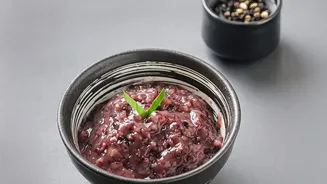
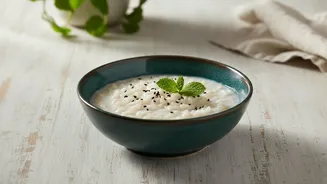
Known by many names across Asia—like 'Amazake' in Japan or 'Kanji' in parts of India—fermented rice porridge is, at its core, cooked rice that has been allowed to ferment. The process can be as simple as soaking leftover cooked rice in water overnight
or more complex, involving a specific mold called koji (Aspergillus oryzae) to break down the starches. The result is a naturally sweet, creamy, and easily digestible food that has been a staple for centuries, often consumed for breakfast or as a nourishing drink to restore energy. Unlike a plain bowl of rice, this fermented version unlocks a new level of nutrition, which is precisely why the fitness community is starting to pay attention.
The Science of a Superfood
The magic of fermented rice porridge lies in its transformation. The fermentation process essentially pre-digests the food. Microorganisms break down the complex carbohydrates in rice into simple sugars like glucose, making it a source of quick, sustained energy that doesn't cause a sugar crash. This process also creates a host of beneficial compounds. It increases the bioavailability of micronutrients like B vitamins and essential minerals. More importantly, it populates the porridge with probiotics (good bacteria) and their beneficial byproducts, which support a healthy gut microbiome. For athletes, this translates to improved digestion, better nutrient absorption, and reduced inflammation—all key components of peak performance and recovery.
Why Now? The Modern Fitness Connection
The comeback isn't happening in a vacuum. It’s part of a larger shift in the wellness world toward whole, minimally processed foods and a greater focus on gut health. As athletes and everyday fitness enthusiasts look for alternatives to ultra-processed supplements, fermented foods offer a natural solution. Japanese researchers have explored how a diet rich in fermented foods, including amazake, can support athletic performance by improving the intestinal environment and even sleep quality. The porridge provides easily accessible energy for a pre-workout boost and contains amino acids that can aid in muscle recovery post-workout, making it a versatile tool in an athlete's nutritional kit. Its reputation as a "drinkable IV" in Japan highlights its role as a quick, nutrient-dense recharger.
Beyond the Hype: Is It Worth It?
While the historical use and nutritional science are compelling, it's important to frame the benefits correctly. Much of the evidence points to the broad advantages of consuming fermented foods in general. Studies specifically linking fermented rice porridge to enhanced athletic output are still emerging, though initial research, like one involving Chukyo University's swim team, shows promising connections to improved body composition and intestinal function. Some research in India has shown that fermented rice porridge can improve digestion and increase the absorption of minerals like iron. For most people, incorporating it into their diet is a low-risk way to boost gut health and get clean energy, rather than a guaranteed ticket to a new personal best.
How to Join the Porridge Renaissance
Curious to try it? You have a few options. Pre-made amazake can often be found in Asian markets or health food stores, sold as a thick, sweet drink. You can consume it chilled, warmed, or mixed into smoothies and overnight oats. Alternatively, you can make a simpler version at home. The most basic method involves soaking leftover cooked rice in water (with a starter like a spoonful of yogurt or buttermilk) and leaving it in a warm place overnight. The next morning, it can be blended with a little salt and consumed as a porridge or drink. It's a testament to the idea that sometimes the most effective fuel isn't the newest, but the one that has been trusted for generations.