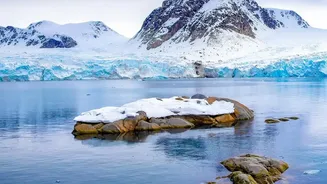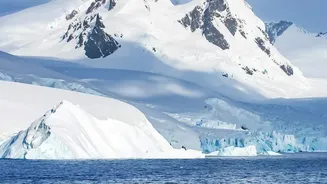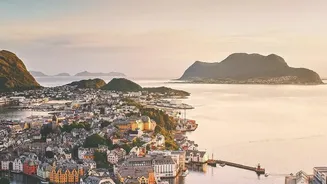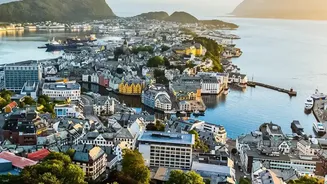

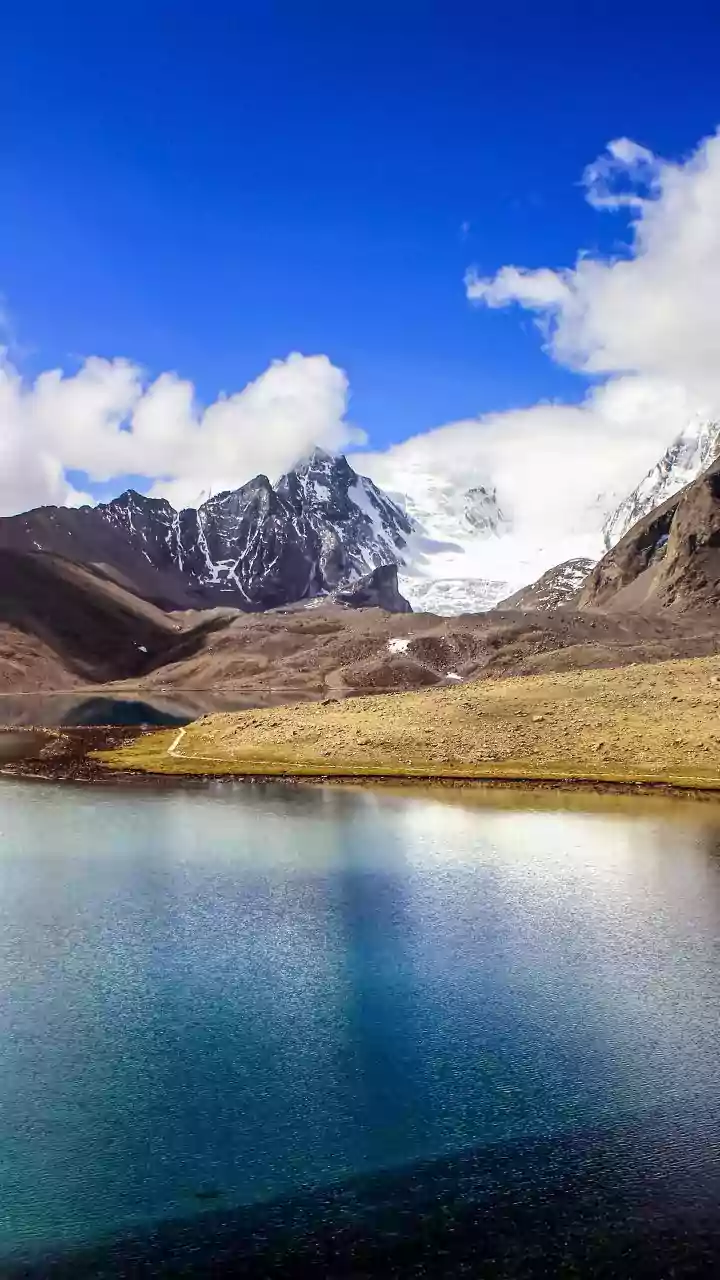




The Allure of the Arctic North
Northern Norway is home to several archipelagos and peninsulas renowned for their staggering beauty and opportunities for adventure. This guide focuses on five key destinations: the iconic Lofoten Islands, the wild isle of Senja, the whale-rich waters
of Vesterålen, the alpine playground of the Lyngen Alps, and the stark, bird-filled landscapes of the Varanger Peninsula. Each offers unique experiences, from hiking razor-sharp peaks and kayaking through deep fjords to world-class ski touring and wildlife observation. However, the rugged terrain and rapidly changing weather demand respect and careful preparation from all who visit.
Universal Safety: The Norwegian Mountain Code
Before venturing into any of these areas, all travellers should familiarise themselves with the 'Fjellvettreglene', or the Norwegian Mountain Code. This set of nine simple rules is a cornerstone of Norwegian outdoor culture, designed to ensure safety in the mountains. Key principles include planning your trip thoroughly and telling someone your route, adapting your plans to your ability and the current conditions, and paying close attention to weather and avalanche warnings. Crucially, the code reminds adventurers that there is 'no shame in turning back'. Always check the latest weather forecasts on services like Yr.no and avalanche risk on Varsom.no before you head out.
Lofoten: Crowds, Cliffs, and Camping Rules
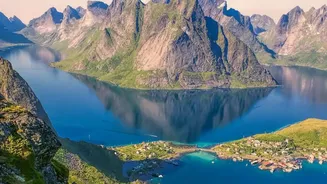
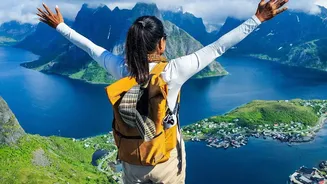
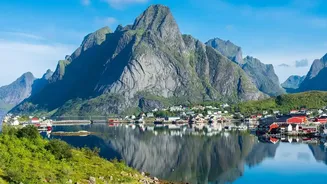
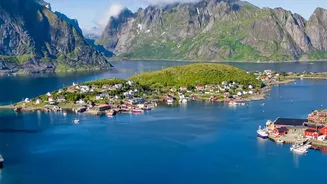
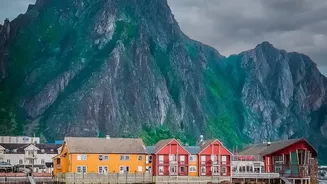
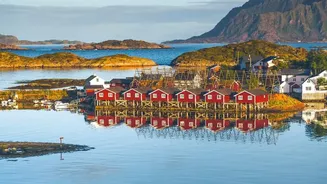
The Lofoten Islands are famous for their postcard-perfect fishing villages and sharp granite peaks rising from the sea. This popularity brings specific challenges. Trails like Reinebringen, while offering incredible views, are steep and can be slippery, requiring excellent footwear and caution. Due to overuse, local municipalities have established specific 'no-camping zones' in the most fragile and heavily visited areas, so it's vital to check an up-to-date map before pitching a tent. General rules of the 'right to roam' still apply elsewhere, but require you to camp at least 150 metres from any occupied building and to leave no trace. Traffic can also be heavy on narrow roads, so drivers must be considerate, especially of cyclists.
Senja: Wild Trails and Weather Awareness
Often called 'Norway in miniature', Senja offers dramatic coastal scenery with fewer crowds than Lofoten. Its infrastructure is less developed, meaning hikers and adventurers must be more self-sufficient. Weather can change in an instant, with storms rolling in from the Atlantic with little warning. Hikers should stick to marked trails to avoid damaging delicate flora and be prepared with layers, a charged phone, and knowledge of their route. For popular but challenging hikes like Segla, accessing the famous view from the adjacent Hesten peak is often a safer alternative with less exposure. When camping, follow leave-no-trace principles and respect local signage prohibiting overnight stays, especially if a car park is already full.
Vesterålen and Lyngen: Wildlife and Alpine Dangers
Vesterålen is one of Europe's premier destinations for whale watching, with sperm whales present year-round in the deep underwater canyon off Andøya. Tour operators follow strict guidelines to minimise disturbance to the animals, and visitors should choose reputable companies. To the east, the Lyngen Alps are a world-renowned destination for ski touring, with peaks rising directly from the fjord. This terrain is steep, exposed, and presents a significant avalanche risk. Anyone venturing into the Lyngen backcountry in winter must have avalanche safety equipment (transceiver, shovel, probe), the knowledge to use it, and should consult the daily avalanche forecast on Varsom.no. Hiring a certified local guide is strongly recommended for both safety and a better experience.
Varanger: Arctic Roads and Respect for Nature
The Varanger Peninsula is the northeasternmost corner of Norway, a windswept landscape of tundra and cliffs that offers a unique Arctic experience. It is a world-class birdwatching destination, home to rare species like the Steller's Eider and large seabird colonies on islands like Hornøya. Safety here often relates to its remoteness and road conditions. The National Scenic Route Varanger can be narrow, and the section beyond Vardø to Hamningberg is closed during winter. Visitors should show immense respect for wildlife, especially nesting birds, by keeping their distance and using the purpose-built birdwatching hides dotted along the coast. Drivers should also be cautious of reindeer and other wildlife on the roads.