





In the vibrant landscape of Indian fruits, mango and papaya hold starring roles. Both are beloved for their sweet, tropical taste, but how do they compare nutritionally? Let's slice into the details to see which fruit wins in this friendly rivalry.
The Calorie and Sugar Breakdown
For
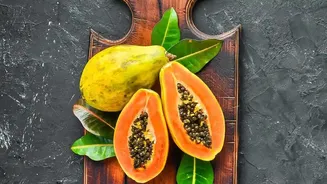
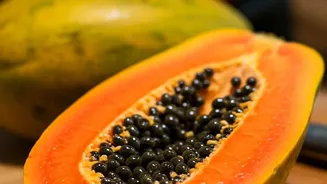
those managing their weight or sugar intake, papaya is the lighter choice. A 100-gram serving of papaya contains around 43 calories and approximately 7.8 grams of sugar. In contrast, the same amount of mango has about 60 calories and 13.7 grams of sugar. This makes papaya a preferable option if you're looking for a less energy-dense fruit. Despite its higher sugar content, mango has a lower to medium glycemic index (GI) of around 51-56, meaning it raises blood sugar levels more slowly than its sweetness might suggest. Papaya has a slightly higher GI, typically around 60, placing it in the medium category.
A Tale of Two Vitamin Champions
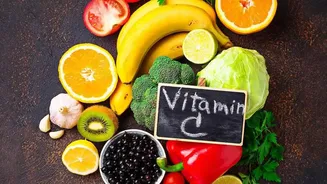
When it comes to vitamins, each fruit has its own area of expertise. Papaya is a vitamin C powerhouse, with a 100-gram serving providing about 61 mg, which is more than what you'd get from a mango. This makes it an excellent choice for boosting your immune system. On the other hand, mango is a clear winner for vitamin A. Its deep orange flesh is rich in beta-carotene, which the body converts into vitamin A, crucial for eye health and skin integrity. Mango also offers more vitamin E and folate, a B-vitamin essential for cell growth.
Fibre and Digestive Health
Both fruits are good sources of dietary fibre, with each providing roughly 1.6 to 1.7 grams per 100 grams. Fibre is essential for maintaining a healthy gut, promoting feelings of fullness, and ensuring regular bowel movements. However, papaya has a unique advantage: an enzyme called papain. Papain is a proteolytic enzyme, which means it helps break down proteins, making them easier to digest. This can be particularly beneficial after a protein-heavy meal, potentially reducing bloating and indigestion. While mangoes also contain enzymes like amylase that aid in carbohydrate digestion, papain gives papaya a special edge in digestive support.
The Antioxidant Advantage
Antioxidants protect our bodies from damage caused by harmful free radicals, and both mango and papaya are packed with them. Papaya contains beneficial antioxidants like lycopene, which is also found in tomatoes and is linked to reduced risk of certain diseases. Mango's claim to fame is a powerful polyphenol called mangiferin, found almost exclusively in mangoes. Research has explored mangiferin for its anti_inflammatory, antioxidant, and even potential anti_diabetic properties. It's studied for its potential benefits to heart health and its ability to help regulate metabolism.
Making the Right Choice for You
So, which fruit should you choose? The best answer depends entirely on your personal health goals. If your priority is weight management, lower sugar intake, or a significant vitamin C boost, papaya is an excellent pick. Its unique papain enzyme also makes it a superior choice for aiding digestion. If you're looking to boost your vitamin A intake for better vision and skin health, or if you want the unique antioxidant benefits of mangiferin, then the king of fruits, mango, is the way to go. For those managing blood sugar, mango's slightly lower glycemic index might be a deciding factor, despite its higher sugar content.