







The Connectivity Paradox in Action
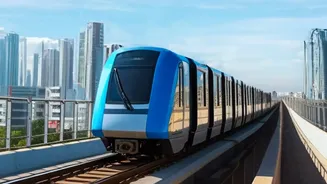
Take Mumbai's Bandra Kurla Complex (BKC), one of the country's premier financial hubs. While new metro lines can get you to the edge of the district, the final leg of the journey is where the trouble begins. Commuters often face a 1.5 to 2-kilometre walk
from the station to major office buildings, a significant barrier, especially in harsh weather. This gap, known as the "last-mile problem," forces thousands into a daily scramble for scarce and often expensive autorickshaws or crowded buses, turning a theoretically simple commute into a stressful ordeal. Events like a recent "Public Transport Day" in BKC only highlighted these gaps, exposing a stark difference between building a metro line and creating a truly integrated transport network.
When Old City Centres Meet New Transit
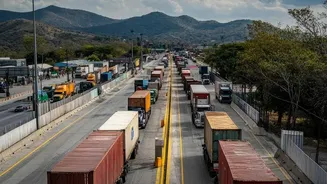
Many of India's traditional central business districts, like those in old parts of Delhi or Chennai, were established long before modern mass transit was conceived. These areas are often characterized by dense, organic layouts with narrow, winding streets that make it physically impossible to build new metro lines or even dedicated bus corridors without massive disruption. Urban planners call this the challenge of retrofitting. While newer, planned areas can integrate transport from the start, older hubs present a complex puzzle. As a result, public transport systems often terminate at the periphery, leaving the core under-serviced and forcing a continued reliance on private vehicles, which in turn worsens the congestion they were meant to solve.
The Infamous 'Last-Mile' Nightmare
The last-mile problem is a recurring theme across nearly all Indian cities, from Bengaluru to Delhi. It’s the gap between where mass transit drops you off and your actual destination. This is where public transport systems frequently fail. In the absence of reliable feeder buses, well-maintained footpaths, or safe cycling lanes, commuters are left to fend for themselves. This void is often filled by informal paratransit services like shared autos and e-rickshaws, which, while essential, can be unreliable and subject to fare gouging. This daily struggle not only adds time and cost to commutes but also discourages many from using public transport at all, creating a vicious cycle of increasing private vehicle ownership and road congestion.
The Ripple Effect on People and Business
Poor transport connectivity isn't just an inconvenience; it has significant economic and social costs. Traffic congestion in India's major cities is estimated to cost the economy billions annually in lost productivity and wasted fuel. For the individual, it means more time spent in traffic, higher stress levels, and less time for family and leisure. This has an equity dimension as well. Lower-income groups, who are more reliant on public transport, are often forced into longer and more expensive commutes from peripheral suburbs where housing is more affordable. This transport divide can limit access to job opportunities and reinforces social inequality, undermining the very idea of a central area as a hub of opportunity for all.
Planning for People, Not Just Buildings
The core issue often stems from a historical focus on car-centric planning, where the goal has been to move vehicles rather than people. Experts argue that successful urban centres are built around integrated, multimodal transport networks that prioritize pedestrians, cyclists, and seamless transfers between buses, trains, and metros. This requires a shift in thinking away from standalone mega-projects, like a new metro line, towards a holistic system where every component works together. It means ensuring bus schedules are synchronized with train arrivals, that stations have safe and accessible footpaths, and that ticketing is integrated across different modes. Without this people-first approach, even the most advanced infrastructure projects will fail to solve the underlying mobility crisis.