

Why Repeated Reheating is a Problem
Every time you cool and reheat food, you are giving bacteria an opportunity to multiply. The main issue is the 'temperature danger zone', which in India is generally considered to be between 5°C and 60°C. Within this range, harmful bacteria can double
in number in as little as 20 minutes. When you heat a large batch of food, cool it, and then repeat the process, the food passes through this danger zone multiple times. While reheating to a safe internal temperature of 75°C (165°F) will kill active bacteria, it won't destroy heat-resistant toxins that some bacteria produce when left in the danger zone for too long. This is why it's best to reheat food only once.
The Impact on Taste and Texture
Beyond the safety risks, repeatedly heating food degrades its quality. Each trip to the microwave or stove top results in a loss of moisture, which can leave dishes like rice dry and hard, or meats tough and rubbery. Delicate textures get ruined; crispy foods can turn soggy, and pasta might become gummy. Furthermore, the process can diminish the nutritional value of your meal. Heat-sensitive nutrients, like Vitamin C and certain B vitamins, can degrade with each reheating cycle. Proteins can also be affected, changing their structure in ways that impact not just texture but also digestibility. By portioning your leftovers, you only heat what you plan to eat, preserving the original flavour, texture, and nutritional content of the remaining servings.
The Correct Way to Cool Food
Proper cooling is the first and most critical step. Never leave perishable food out at room temperature for more than two hours. To cool a large quantity of food like a pot of stew or biryani quickly, you need to increase its surface area. Divide the food into smaller, shallow containers, no more than two to three inches deep. This allows the heat to escape much faster. You can also place the pot in an ice or cold water bath in the sink, stirring occasionally to distribute the cold. Once the food has cooled, you can move on to storing it.
Mastering the Art of Portioning
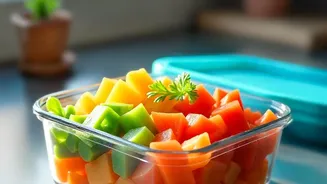
Portioning is simple but revolutionary for your leftovers. Once your food is cooled, divide it into single-serving sizes before you store it. This ensures that you only ever need to reheat the amount you are about to eat. Use airtight containers to keep bacteria out, retain moisture, and prevent the food from absorbing odours from other items in your refrigerator. Glass containers are great as many can go from the fridge to the microwave or oven. Freezer-safe bags are another excellent option, especially for soups and gravies, as you can squeeze out excess air and lay them flat to save space. Always label and date your containers so you know what's inside and when it needs to be used by. In general, refrigerated leftovers should be eaten within three to four days.
Smart Storage and Safe Reheating
For longer storage, the freezer is your best friend. Most cooked dishes like stews, soups, and casseroles can be frozen for two to three months without a significant loss in quality. When you're ready to eat a portion, it's best to thaw it safely in the refrigerator overnight. When reheating, ensure the food reaches an internal temperature of at least 75°C (or 165°F) throughout to kill any potential bacteria. If using a microwave, cover the food to retain moisture and stir it halfway through to ensure there are no cold spots. Sauces, soups, and gravies should be brought to a rolling boil on the stovetop. Following these steps ensures every portion of your leftovers is as safe and delicious as the day you made it.