





The Science Behind the Reaction
The issue with storing certain foods in aluminum foil comes down to a simple chemical reaction. Aluminum is a reactive metal. When it comes into contact with highly acidic or salty foods, the reaction accelerates. Foods like tomatoes, citrus fruits (lemons,
limes), vinegar-based dressings, and even some spicy dishes can cause the foil to break down. Normally, aluminum foil has a protective layer of aluminum oxide that forms when exposed to air, which prevents it from reacting with most things. However, strong acids can dissolve this protective layer, allowing the aluminum to leach into your food.
An Unwanted Metallic Taste
The most immediate and noticeable consequence of this chemical reaction is a change in the taste of your food. Many people report a distinct metallic or bitter flavour in leftovers that have been stored in direct contact with foil. This is particularly true for dishes with a high acid or salt content. The leached aluminum can alter the flavour profile you worked so hard to create, leaving your delicious lasagna or lemon-herb chicken with an unappetizing metallic tang. The foil itself might even show signs of corrosion or develop small pinholes where the acid has eaten away at the metal.
Contact Time and Temperature Matter
The longer your acidic food sits in contact with aluminum foil, the more significant the reaction will be. Experts recommend using foil for only short-term storage of such items, if at all, suggesting a day or two at most. The problem is exacerbated by heat. Cooking or baking acidic foods in foil-lined pans can dramatically increase the amount of aluminum that migrates into your meal. While wrapping a cold sandwich is unlikely to cause issues, storing a hot, tomato-based casserole covered directly with foil for several days is a recipe for taste changes.
Is It a Health Concern?
While the taste issue is clear, the health implications are more complex. Humans ingest small amounts of aluminum daily from various sources, including water and natural foods like tea and spinach. Our bodies, particularly healthy kidneys, are very efficient at excreting the small amounts of aluminum we absorb. Most health authorities, including the World Health Organization, state that the levels of aluminum absorbed from foil use are generally below the tolerable weekly intake limit and are considered safe for healthy individuals. However, for individuals with impaired kidney function, excess aluminum can be a concern. The primary takeaway for most people is not one of panic, but of quality. The main reason to avoid this practice is to preserve the integrity and flavour of your food.
Smarter Storage Solutions
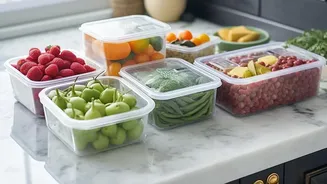
Fortunately, there are many excellent, non-reactive alternatives for storing acidic leftovers. Glass containers with tight-fitting lids are an ideal choice; glass is non-porous and won't interact with your food, preserving its original taste. Ceramic and high-quality, food-grade plastic containers are also great options. If you must use foil to cover a dish, create a barrier. Place a sheet of parchment paper or baking paper between the acidic food and the aluminum foil to prevent any direct contact. This simple step allows you to get a tight seal with the foil without risking any unwanted chemical reactions.
When Is Foil Perfectly Fine?
This advice doesn't mean you need to banish aluminum foil from your kitchen entirely. It remains an incredibly useful tool. For non-acidic foods like sandwiches, cookies, breads, or unseasoned meats, wrapping in foil is perfectly fine for short-term storage. It’s also great for covering a bowl or dish to prevent moisture loss, as long as the foil isn't touching the food directly. Its ability to block light, oxygen, and moisture makes it a valuable asset for protecting certain foods and contributing to the reduction of food waste.