






A Perfect Sensory Pairing
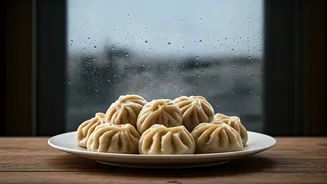
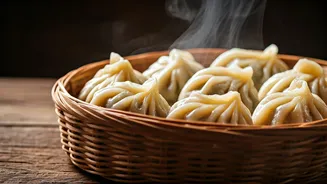
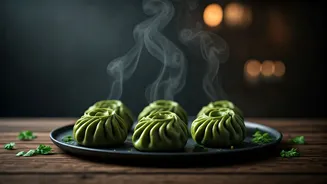
There is a unique magic in the pairing of monsoons and momos. Imagine this: the rhythmic drumming of rain against the windowpane, a cool breeze offering respite from the heat, and a plate of steaming dumplings before you. The delicate, translucent wrapper
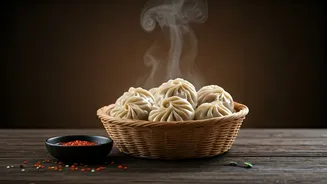
gives way to a savoury filling, its warmth a comforting shield against the damp chill outside. Each bite is an experience of contrasts. The hot, soft dumpling against the cold, rainy weather. The subtle, earthy flavour of the vegetable filling—often a simple, perfect mix of finely chopped cabbage, carrots, and onions—explodes when dipped into the fiery, garlicky red chutney that is its inseparable partner. This isn't just about satisfying hunger; it's a multi-sensory event that elevates a simple evening into a cherished memory. It’s the visual of the steam curling into the cool air, the warmth that spreads through you with the first bite, and the lingering heat of the chutney that makes you reach for another.
From Himalayan Hills to City Streets
Not long ago, the momo was a regional delicacy, primarily found in the Himalayan regions of Tibet, Nepal, and parts of North-East India. Its journey to becoming a pan-Indian street food superstar is a story of migration, adaptation, and universal appeal. As people from these regions moved to cities across the country, they brought their culinary traditions with them. The momo’s simplicity was its genius. It required minimal equipment to make and could be sold from small, mobile stalls. What started as a niche offering in select neighbourhoods soon exploded in popularity. Today, it’s nearly impossible to walk down a busy market street in Delhi, Mumbai, or Bengaluru without spotting a vendor, surrounded by a crowd, expertly steaming batches of these beloved dumplings. They have successfully transcended cultural and geographical boundaries to become a food that feels both exotic and intimately familiar.
The Undisputed Charm of 'Veg'
While momos come with various fillings, the vegetable version holds a special place, particularly during the monsoon. There's a lightness to the classic veg momo that makes it endlessly appealing. The filling, typically a non-greasy mix of crunchy vegetables, feels clean and wholesome. It provides a perfect canvas for the star of the show: the chutney. This allows the spicy, tangy dip to shine without being overpowered by a heavier, richer meat filling. Furthermore, in a season where people can be cautious about street food, the simplicity of a steamed vegetable filling often feels like a safer, more reliable choice. It caters to a wide audience, including India’s large vegetarian population, making it a truly democratic snack. It’s the perfect combination of being satisfyingly hearty yet refreshingly light, hitting a sweet spot that few other snacks can.
A Ritual of Comfort and Connection
More than just a snack, eating momos has become a social ritual. It’s the go-to plan for friends catching up after college or work. It’s the treat you share with a sibling while huddled under a shop awning, waiting for a downpour to subside. There's an inherent sense of community in sharing a plate of momos, debating who gets the last one, and daring each other to take an extra scoop of the fiery chutney. During the monsoon, a season that often encourages staying indoors, the pull of a neighbourhood momo stall is a powerful force for connection. It draws people out, creating small, temporary communities bound by a shared love for this simple comfort food. This ritual transforms a transactional act of eating into a shared experience, cementing the momo’s status as a cultural icon.