







Your New Travel Agent Is an Algorithm
The days of spending hours comparing flights and hotels across dozens of tabs are numbered. Artificial intelligence is rapidly becoming the Indian traveller's new best friend. AI-powered platforms are now capable of creating hyper-personalised itineraries
in minutes, factoring in everything from budget and travel style to past booking behaviour. According to a 2026 travel report, 68% of Indian travellers are likely to use AI for planning their next trip. This isn't just about booking tickets; it's about discovery. AI algorithms suggest activities, dining options, and even entire vacation concepts tailored to individual tastes. For travel companies, AI-driven dynamic pricing optimises revenue, while intelligent chatbots provide 24/7 customer support, handling everything from basic queries to complex booking changes, making the entire process more efficient.
The Connectivity Revolution
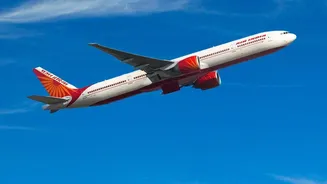
A dream destination is useless if you can't get there. India's massive infrastructure push is solving that problem at an unprecedented pace. The expansion of the Vande Bharat Express network is a prime example, drastically cutting rail travel times between major cities and tourist hubs and boosting local economies. These semi-high-speed trains are making weekend trips and multi-city tours more feasible than ever. Simultaneously, the government's focus on aviation is opening up the map. The UDAN scheme and the plan to build hundreds of new airports are bringing air connectivity to Tier-2 and Tier-3 cities, many of which are gateways to previously inaccessible tourist gems. This combination of modern rail and expanding air travel means the journey itself is becoming faster and more comfortable, encouraging more frequent travel.
Beyond the Golden Triangle
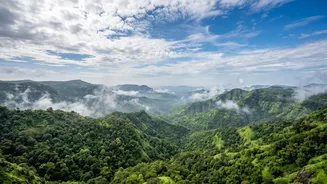
As connectivity improves, travellers are looking beyond the usual hotspots. A new map of Indian tourism is being drawn, driven by a thirst for unique experiences. Spiritual tourism is a major force, with destinations like Ayodhya, Varanasi, and the Dwarka-Somnath corridor seeing massive investment and visitor interest. This segment alone accounts for a huge portion of domestic travel. Alongside faith, there is a growing demand for wellness tourism, with travellers seeking out yoga retreats and holistic healing centres in serene locations like Rishikesh and Kerala. The modern Indian traveller is also an explorer, keen to find offbeat destinations, from the Tirthan Valley in Himachal Pradesh to Majuli in Assam. This shift is creating new economic opportunities in regions that were previously off the tourist trail, fostering a more distributed and sustainable tourism model.
The New Integrated Travel Experience
The true transformation lies in how these three forces—AI, connectivity, and new destinations—work together. Imagine a traveller using an AI planner to craft a trip. The AI, aware of a new Vande Bharat route, suggests a previously hard-to-reach wellness retreat. It then pieces together a seamless itinerary involving a flight to the nearest major city, a comfortable train journey on the new line, and a pre-booked taxi for the final leg. The platform can handle bookings, suggest local experiences based on real-time data, and manage the budget. This integrated, technology-enabled approach removes friction and empowers travellers to explore more adventurously and efficiently. It's a shift from a fragmented booking process to a holistic journey-planning experience, turning complex, multi-modal trips into a simple, accessible reality for millions.