
The Persistent Red Planet Problem
For any solar-powered machine on Mars, dust is the enemy. Unlike the relatively benign dust on Earth, Martian dust is incredibly fine, gritty, and electrostatically charged, causing it to cling stubbornly to any surface it touches. This creates a significant
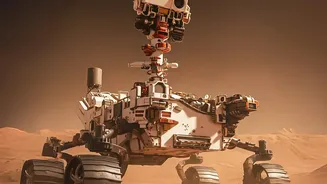
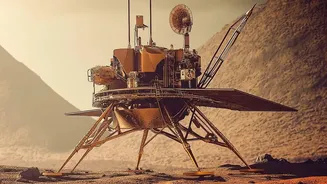
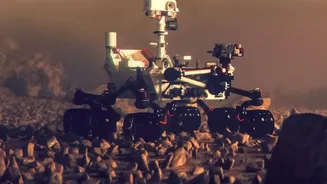
challenge for solar panels, which are the lifeblood of rovers like Opportunity and Spirit. As a layer of dust accumulates, it blocks sunlight, drastically reducing the amount of power the panels can generate. In the worst-case scenarios, this power loss can be mission-ending. The iconic Opportunity rover, which was designed for a 90-day mission but survived for 15 years, finally succumbed in 2018 when a planet-encircling dust storm blocked so much sunlight that the rover could no longer charge its batteries and keep its vital systems warm.
From Nuisance to Known Enemy
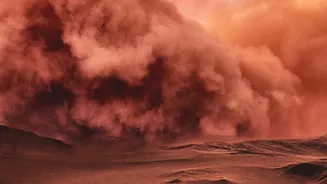
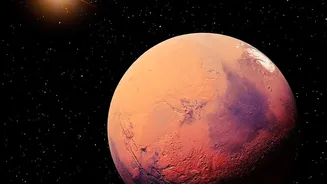
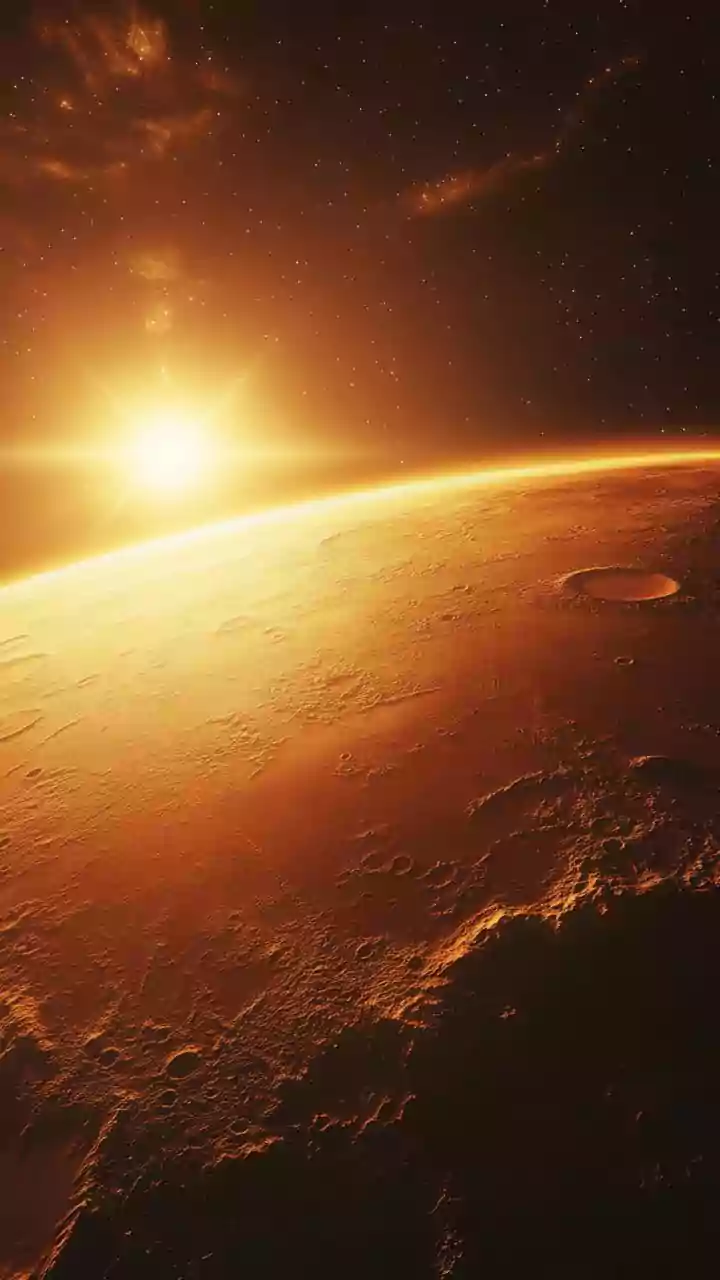
Surviving on Mars isn't just about dealing with a static layer of dust; it's about understanding its complex behavior. Space agencies refer to this as dust dynamics—the study of how dust is lifted, transported, and deposited by the Martian atmosphere. This includes everything from small dust devils, which can be both a hindrance and a help, to regional storms that cover areas the size of continents. The most extreme events are global dust storms, which can envelop the entire planet for weeks or months at a time, plunging the surface into a dim twilight and reducing direct sunlight by up to 99 percent. These aren't wind storms in the terrestrial sense; Mars's thin atmosphere means even 60-mile-per-hour winds don't have much force. The real danger is the sheer amount of dust kicked into the atmosphere, which lingers and chokes off the sun.
Mapping the Invisible Threat
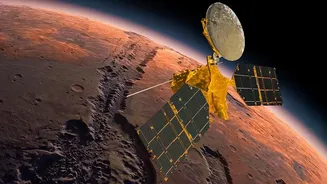
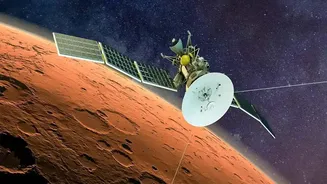
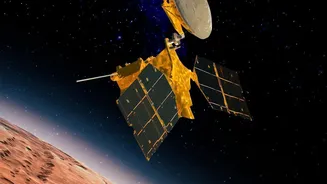
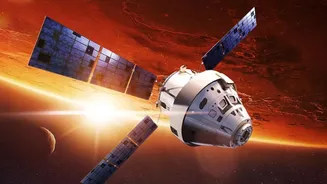
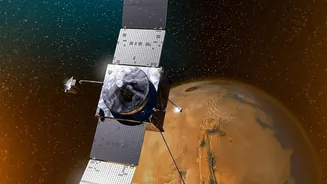
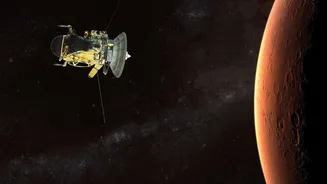
To combat the dust problem, you first have to understand it. This is where orbital mapping becomes invaluable. Spacecraft like NASA's Mars Reconnaissance Orbiter (MRO) and ESA's Mars Express act as planetary weather satellites, specifically for tracking dust. Using sophisticated instruments, they monitor the atmosphere for signs of dust storms, track their growth and movement, and measure the amount of dust suspended in the air. This provides a planet-wide, long-term view of dust activity, helping scientists identify regions where dust lifting is most common and understand the seasonal patterns of major storms. By creating what are essentially 'dust weather maps', agencies can build predictive models, turning the chaotic nature of Martian dust into a more quantifiable risk.
Engineering Smarter, Not Just Stronger
This detailed mapping data directly informs how space agencies design and operate their Martian hardware. For instance, knowing where dust storms are less frequent helps in selecting safer landing sites for future missions. The data also reveals a fascinating paradox: wind, while creating the problem, can also be the solution. Occasional gusts of wind, known as "cleaning events," have been observed blowing dust off rover solar panels, leading to a sudden and welcome boost in power. Mapping helps identify regions where these events are more likely. This knowledge drives the design of more resilient solar arrays—panels with special anti-static coatings, or even mechanical systems being developed for dust removal, such as electrostatic fields that actively repel dust particles. This data-driven approach allows engineers to move beyond just hoping for the best and instead build systems designed to survive Mars as it actually is.
Powering the Future of Exploration
Ultimately, mapping Mars's dust dynamics is about more than just protecting our current robotic explorers. It's a critical prerequisite for sending humans to the Red Planet. A long-term human habitat or base will require a massive and reliable source of power. While nuclear power is an option, large-scale solar arrays are also being designed for this purpose. Unlike a rover that can be put into a low-power sleep mode, a human habitat cannot afford to lose power for an extended period. The life support systems, research equipment, and communications all depend on it. By thoroughly understanding the dust cycle, future mission planners can design robust power grids, develop effective cleaning technologies, and establish operational protocols to ride out the inevitable storms. In this way, charting the movement of tiny dust particles from orbit is a foundational step in ensuring astronaut safety and establishing a sustainable human presence on Mars.