






More Than Just a Drink
Chai in India is far more than a simple beverage; it's an institution. It’s the ‘cutting chai’ on a rainy Mumbai street, the sweet, milky brew shared with family, and the default offering to any guest. For decades, the standard cup has been strong, sweet, and served
multiple times a day—often first thing in the morning. A recent consumer study highlighted that tea remains a powerful daily ritual, with 84% of Indians drinking it daily and over half consuming multiple cups. This deep cultural embedding has made the traditional way of preparing and drinking tea a largely unquestioned habit, passed down through generations. The focus has always been on flavour, comfort, and the social connection it fosters.
Rethinking the Sugar Rush
One of the most significant shifts in the modern tea routine is the conscious reduction of sugar. The once-standard two spoons of sugar are now being reconsidered as health awareness grows. Spurred by rising concerns about lifestyle diseases and a general move towards wellness, many are either reducing the amount of sugar in their chai or seeking healthier alternatives. This trend is part of a larger movement across India's beverage industry, which has seen a surge in low-sugar and zero-sugar products. In homes, this translates to using natural sweeteners like jaggery and honey, or embracing the nuanced flavours of tea without any sweetness at all. It's a move from habitual consumption to a more mindful choice, prioritising long-term health without giving up the beloved ritual.
It's All in the Timing
The conversation has expanded beyond what is in the cup to when we drink from it. The tradition of 'bed tea'—having a strong cup of chai first thing on an empty stomach—is now being questioned by health experts and nutritionists. Many advise against drinking caffeinated beverages on an empty stomach, which can sometimes lead to acidity or jitteriness. Instead, a mid-morning cup, around 8:30 to 10:30 AM after a light breakfast, is often suggested as a better time to enjoy tea's energising effects without the potential downsides. Similarly, there's growing awareness about avoiding strong, caffeinated tea late at night to protect sleep quality. The new wisdom suggests drinking tea about 30 to 60 minutes after a meal can aid digestion, making the post-lunch or early evening cup a more intentional, functional choice.
An Evolving Brew
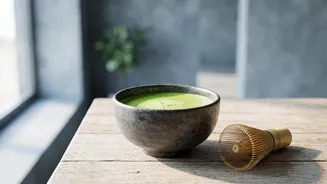
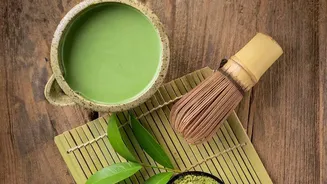
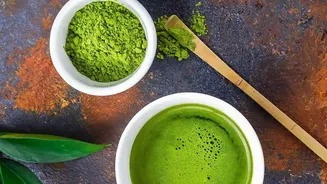
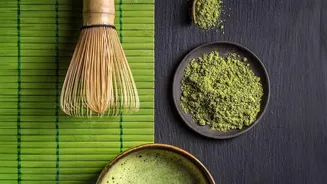
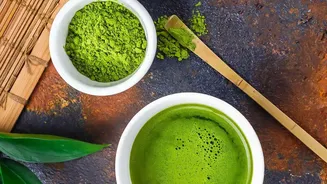
While traditional masala chai still reigns supreme, the Indian palate is becoming more adventurous. The re-examination of tea routines has opened the door for a wider variety of brews. A 2026 report noted significant growth in ready-to-drink teas and unconventional flavours like peach tea, signaling a new willingness to experiment. Herbal infusions, green tea, and wellness-focused blends featuring ingredients like tulsi and ashwagandha are no longer niche products but are finding their place in daily routines. This diversification reflects a broader trend of consumers looking for functional benefits from their beverages, whether it's for immunity, digestion, or relaxation. The modern Indian tea drinker is curious, informed, and open to integrating new tastes and benefits into their age-old habit.
A Mindful Cup for Modern Times
This closer look at our tea habits isn't about abandoning tradition. Instead, it’s about adapting it to fit modern knowledge and lifestyles. The shift towards less sugar, better timing, and more diverse ingredients reflects a broader cultural movement towards mindful living and preventative health. It’s about preserving the comfort and connection of chai while making it a healthier, more conscious part of our day. The core of the ritual remains—a moment to pause, refresh, and connect. But the new, thoughtful approach ensures that this beloved beverage can be savoured for its wellness benefits just as much as its warmth and flavour.