




Why Summer Heats Up Digestion
The soaring temperatures of an Indian summer don't just affect our energy levels; they can significantly impact our digestive system. In Ayurveda, this is explained through the concept of 'pitta dosha', the bodily energy associated with fire and metabolism.
During summer, pitta can become aggravated, leading to issues like acidity, heartburn, and the dreaded gas and bloating. The body's core temperature rises, and our digestive fire ('agni') can weaken, making it harder to process meals. We tend to drink more cold beverages, which can further dampen digestion, and often indulge in heavier, festive foods that contribute to discomfort. This combination creates the perfect storm for that heavy, gassy feeling that can ruin a perfectly good summer day.
Coriander: The Kitchen's Cooling Secret
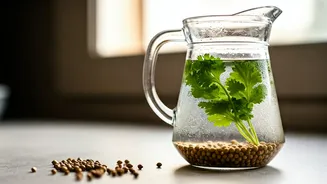
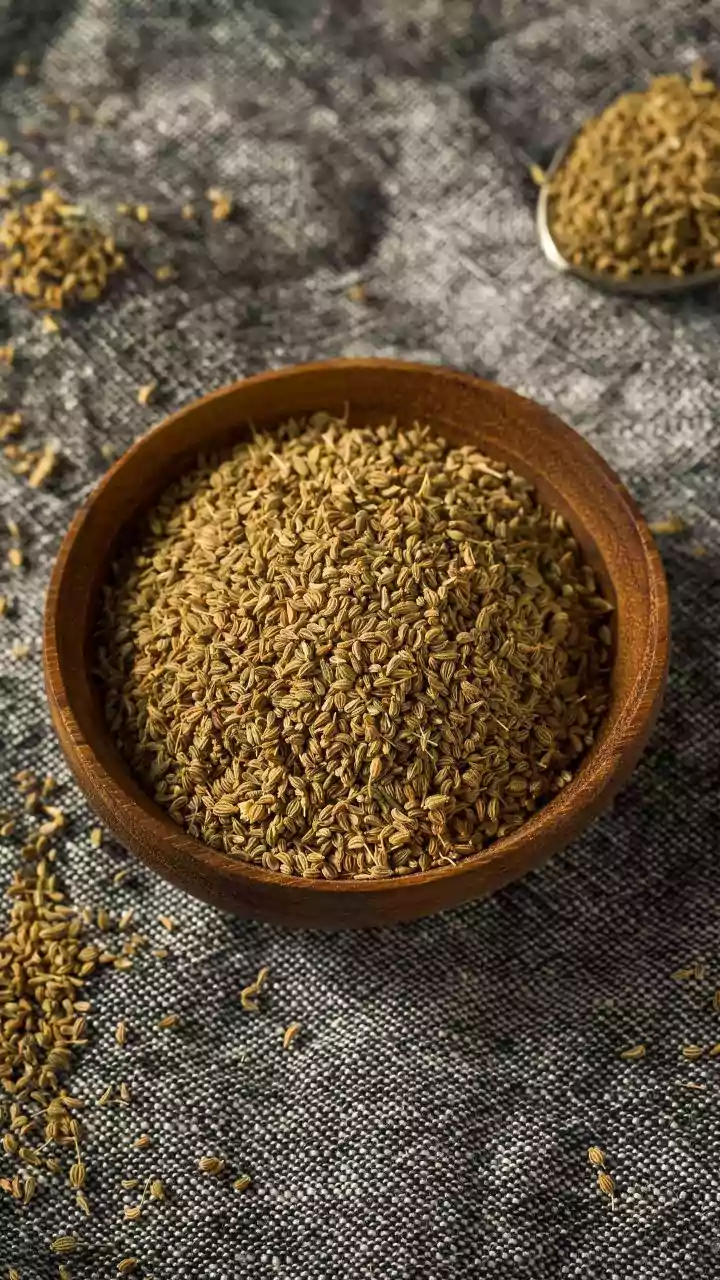
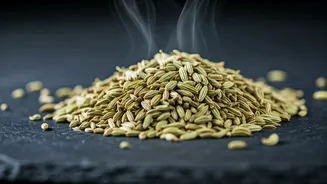
Enter one of the most humble yet powerful spices in the Indian masala dabba: coriander, or dhania. While the fresh leaves are used as a garnish, the seeds are a powerhouse of digestive benefits. Traditional Indian wisdom and Ayurveda have long celebrated coriander seeds for their 'sheetal' (cooling) properties. This makes them an ideal antidote to the heat-aggravated digestive problems of summer. Unlike some carminatives (herbs that relieve flatulence) that can be heating, coriander works by cooling and soothing the gastrointestinal tract. It is believed to pacify excess pitta, calm an irritated stomach lining, and promote the healthy function of digestive enzymes, making it a go-to remedy for generations.
The Gentle Science of Dhania Pani
The traditional belief in coriander's efficacy is also supported by modern insights. Coriander seeds are rich in essential oils, primarily linalool and geranyl acetate. These compounds are known to have carminative properties, meaning they can help expel gas from the intestines and prevent its formation. They are believed to work by stimulating the appetite and aiding in the secretion of gastric juices and enzymes, which are crucial for proper digestion. Furthermore, coriander seeds contain compounds that may help relax the digestive muscles, easing the cramping and discomfort associated with bloating and indigestion. Soaking the seeds in water helps to gently extract these beneficial compounds, creating a mild but effective infusion that is easy for the body to absorb.
How to Make Your Coriander Water
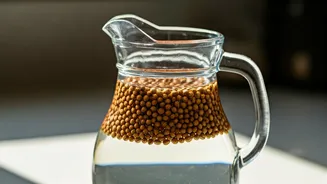
Preparing this digestive elixir is incredibly simple, true to the headline's promise of being effortless. You don't need any special equipment—just the seeds, water, and a little bit of time. Here is a basic recipe:
1. **Take the Seeds:** Measure out one to two teaspoons of whole coriander seeds.
2. **Add Water:** Place the seeds in a clean glass or ceramic bowl. Pour one cup (about 250 ml) of drinking water over them.
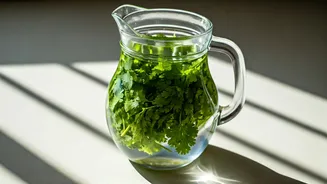
3. **Let It Steep:** Cover the bowl and let the seeds soak overnight, or for at least 6-8 hours. This slow, cool infusion process is key to extracting the properties without introducing heat.
4. **Strain and Drink:** In the morning, stir the water well and then strain it into a glass, separating the seeds. Your steeped coriander water is now ready to drink.
When and How to Drink It
For the best results in tackling digestive issues, timing and consistency can be important. It is traditionally recommended to drink steeped coriander water first thing in the morning on an empty stomach. This allows the body to absorb its cooling and digestive properties without interference from other foods. Consuming it at this time is thought to help kick-start your metabolism for the day, soothe the stomach lining, and prepare your digestive system for your first meal.
If you forget in the morning, drinking a glass about 30 minutes before a heavy meal can also be beneficial. It can help prevent the build-up of gas and acidity that often follows a rich lunch or dinner. You can make this a daily ritual throughout the summer months for consistent support.