




The Great Withdrawal: What to Expect
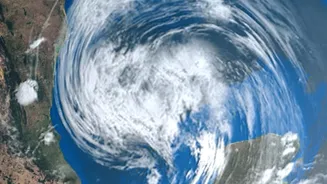
The monsoon doesn't just stop; it retreats in stages. According to the India Meteorological Department (IMD), the process typically begins in northwest India around mid-September and moves southeast, clearing most of the country by mid-October. This withdrawal
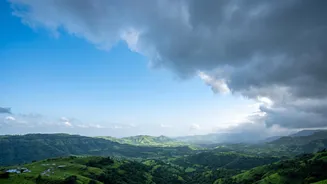
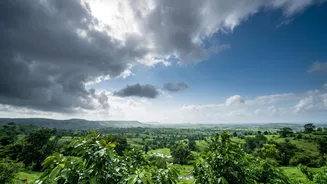
is marked by at least five continuous days of no rain, a drop in humidity, and the formation of an anticyclone in the lower atmosphere. For September 2026, extended forecasts suggest a weakening of the monsoon after the first week, potentially leading to a drier month and the start of withdrawal between September 10 and 20. This ushers in the post-monsoon season, a favourite time for photographers and travellers who cherish the crisp, clean air and vibrant green landscapes left behind.
Reviving Your Travel Plans
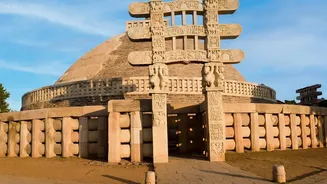
The end of the monsoon reopens a world of travel possibilities. Destinations that were risky or inaccessible due to heavy rains and landslides become prime for visiting. National parks like Jim Corbett and Ranthambore, which often close their core zones, typically reopen around October 1. Hill stations in Uttarakhand and Himachal Pradesh, as well as heritage sites like Hampi in Karnataka, become particularly inviting with clearer skies. However, caution is still key. Trails can remain slippery for weeks, and the risk of landslides doesn't disappear overnight. Always check local road conditions and weather advisories before setting out. It's also wise to pack layers, as temperatures can vary, and a compact umbrella for surprise post-monsoon showers is a good idea.
Post-Monsoon Health Alert
While the rains recede, health risks can escalate. The stagnant pools of water left behind become perfect breeding grounds for mosquitoes, leading to a spike in vector-borne diseases like dengue, malaria, and chikungunya. Dengue, spread by the Aedes mosquito, is a significant concern in urban areas where water can collect in containers, tyres, and flowerpots. To protect your family, ensure there is no standing water around your home. Use mosquito repellents and wear full-sleeved clothing, especially during early morning and evening hours. This period also sees a rise in water-borne diseases like typhoid and cholera from contaminated sources, making it crucial to drink boiled or filtered water and maintain food hygiene.
Resetting Your Household
Your home needs a post-monsoon reset to tackle the lingering effects of dampness. High humidity encourages the growth of mould and mildew, which can damage walls, furniture, and trigger allergies. The first step is to thoroughly air out the house. Open all windows and run fans for a few hours on a dry, sunny day to get rid of trapped moisture. This is the time for a deep clean. Check for damp patches on walls, especially behind furniture and inside wardrobes. Wooden furniture that may have swollen needs special care; wipe it with a dry cloth and keep it away from damp walls. It's also a good time to get pest control done, as insects seek shelter indoors after the rains.
Adjusting Daily Routines
As sunny days return, our daily routines naturally shift. It’s time to pack away the heavy rain gear and bring out lighter, more breathable fabrics. However, keep waterproof footwear handy for a while longer, as walking through waterlogged streets can cause fungal infections. The change in weather is also a good opportunity to adjust your exercise routine. If you've been stuck indoors, you can now resume outdoor activities like walking or jogging in the pleasant, cooler weather. For many, this seasonal shift also brings a change in mood. Combat any lingering gloominess by getting as much natural light as possible and maintaining a consistent daily schedule.