


The New Weekend Itinerary
They call them photography crawls or photo walks, and they represent a significant shift in domestic travel. Instead of passive sightseeing, these events are active, creative gatherings. Organised by photography clubs, travel startups, or simply groups
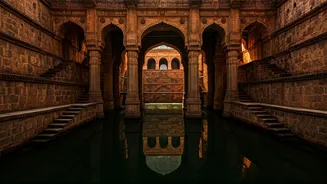
of friends on Instagram, a stepwell crawl involves spending hours exploring the geometric precision and atmospheric decay of India's historic baolis and vavs. The goal isn't just to see a monument, but to capture it, interpret it, and share its hidden beauty. It’s a curated experience that blends history, art, and community, turning a simple weekend trip into a collaborative creative project.
Why Stepwells? Why Now?
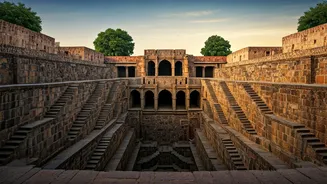
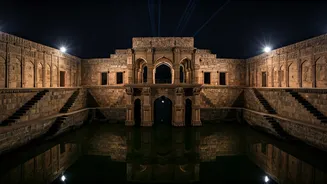
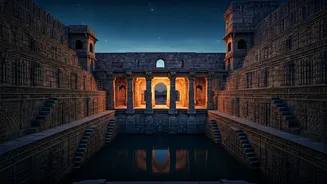
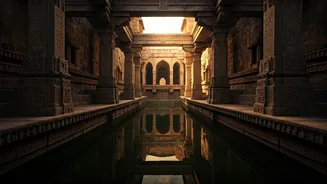
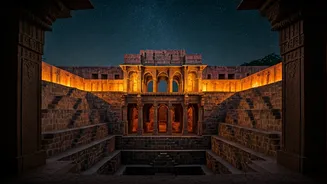
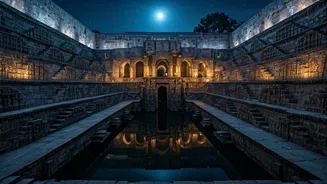
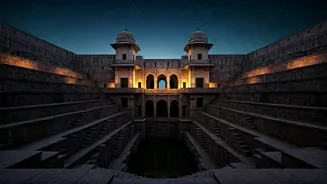
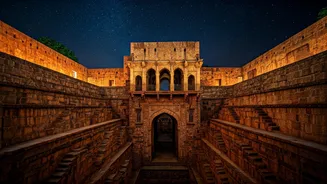
The rise of the stepwell crawl is no accident. It’s a perfect storm of social media aesthetics and a growing hunger for authentic cultural experiences. For years, many of these architectural marvels lay neglected, known only to locals or history buffs. But platforms like Instagram changed everything. The stunning symmetry, dramatic play of light and shadow, and the sheer scale of structures like Rajasthan’s Chand Baori or Delhi’s Agrasen ki Baoli are visual magnets. Young Indians, tired of cookie-cutter travel, are seeking out unique frames and untold stories. Stepwells offer both in abundance, providing a direct, tangible connection to a rich past that feels both epic and deeply personal.
A Canvas of Light and Stone
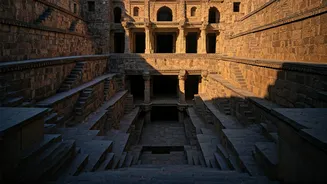
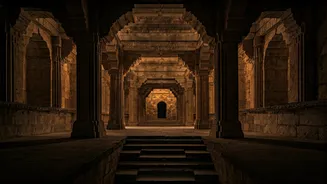
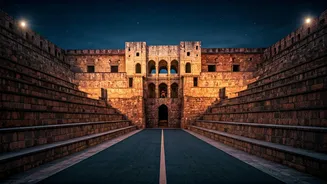
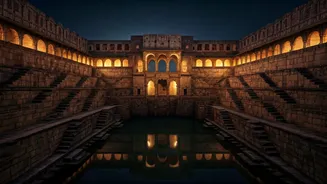
For a photographer, a stepwell is a dynamic, living subject. It’s an architectural lesson in perspective, pattern, and repetition. The descent down hundreds of steps creates a dizzying array of lines and vanishing points. The sun’s movement throughout the day transforms the space, casting long, sharp shadows in the morning and filling the well with a soft, diffused glow in the afternoon. This changing light makes every shot unique. Photographers on these crawls are challenged to capture not just the structure's grandeur but also its intimate details—the texture of the stone, the intricate carvings, and the way human figures are dwarfed by the scale of the construction. It's a technical and creative exercise that goes far beyond a typical travel selfie.
From Delhi to Gujarat's Depths
While Agrasen ki Baoli in Delhi might be the most famous urban example, serving as a gateway for many aspiring photographers, the trend extends across the country. The arid landscapes of Rajasthan and Gujarat are home to some of the most spectacular stepwells. Chand Baori in Abhaneri, with its 3,500 narrow steps arranged in perfect symmetry, is a bucket-list destination for serious architectural photographers. In Gujarat, the UNESCO World Heritage site Rani ki Vav is an astonishingly ornate example, resembling an inverted temple with its profusion of sculptures and reliefs. These crawls are encouraging travellers to explore lesser-known destinations, bringing welcome attention and tourism revenue to areas outside the standard Golden Triangle circuit.
Community, Creativity, and Conservation
Beyond the photos, these crawls are fostering a new sense of community. They connect people who share a passion for heritage and art, creating networks that exist both online and offline. Participants share tips on camera settings, framing, and editing, turning a solitary hobby into a social event. This newfound popularity also carries a potential for positive impact. The constant stream of beautiful imagery on social media raises public awareness about these sites, many of which have suffered from neglect. While increased footfall brings its own challenges, the visibility can pressure authorities to improve maintenance and conservation efforts, ensuring these subterranean wonders are preserved for future generations to explore and photograph.