





Set Up a Drying Station
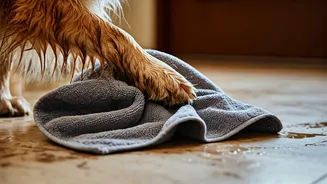
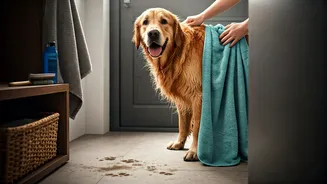
Preparation is half the battle won. Before the mess even happens, designate a specific area near your entrance as a 'drying zone'. Lay down some old towels or a highly absorbent doormat to protect your floors. Keep a kit ready with everything you’ll need:
a few clean, super-absorbent microfiber towels, pet-safe wipes, a paw cleaner if you use one, and a brush. This simple setup contains the mud and water to one spot, saving you from a house-wide cleanup operation later and turning the post-walk routine into an efficient, stress-free process for both you and your pet.
The All-Important Towel Down
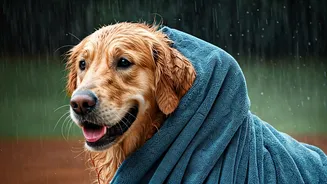
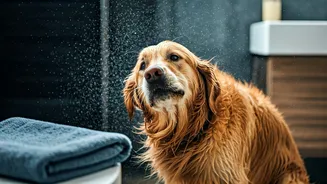
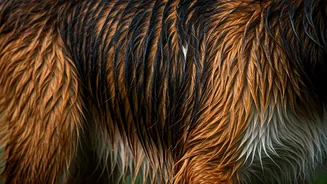
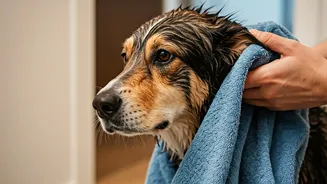
The way you towel-dry your dog matters more than you might think. Vigorous rubbing can cause fur to tangle and mat, especially for long-haired breeds. Instead, use a gentle patting or blotting motion with a microfiber towel, which absorbs more water than standard cotton towels. Press the towel firmly against the coat to soak up moisture. Pay extra attention to the belly, underarms, and tail area, as these spots tend to retain dampness. For dogs with thick double coats, a towel alone might not be enough. A pet-specific blow dryer on a low heat setting can ensure the undercoat gets completely dry, which is crucial for preventing fungal growth.
Don't Forget the Paws
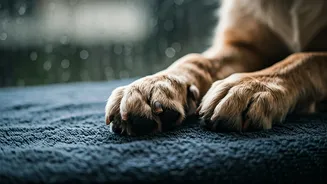
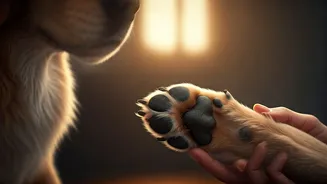
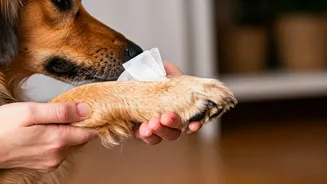
Paws are ground zero for mud, germs, and moisture-related problems. After every wet walk, a thorough paw cleaning is non-negotiable. Wipe each paw with a damp cloth or pet-safe wipes, making sure to clean between the toes and pads where debris loves to hide. For very muddy paws, a paw plunger or a shallow basin of lukewarm water with a drop of gentle dog shampoo can be effective. Always dry the paws thoroughly afterwards, as trapped moisture between the pads can lead to painful fungal or bacterial infections. Regularly trimming the fur around the paws can also help reduce mud collection and speed up drying time.
Guard Against Skin Infections
The high humidity during the monsoon creates a perfect environment for bacteria and fungi to thrive. Lingering dampness in your dog's coat is a primary cause of skin issues like hotspots, rashes, and yeast infections. Brushing your dog's coat after it's mostly dry helps to remove any remaining dirt, detangle fur, and improve air circulation to the skin. Make it a habit to regularly inspect your dog's skin for any signs of trouble, such as redness, excessive scratching, or a bad odour. If you have a breed with floppy ears, be sure to gently wipe them dry, as trapped moisture can easily lead to ear infections.
Maintain a Healthy Coat from Within
While external care is vital, a strong coat and healthy skin start from the inside. A balanced, nutritious diet plays a significant role in your dog's ability to fend off skin problems. Foods rich in omega-3 and omega-6 fatty acids can help support a healthy skin barrier, making it more resilient to irritants. Tummy upsets can also be more common during the monsoon, so ensure your pet has access to fresh, clean drinking water, avoiding puddles which can contain parasites and other contaminants. It’s a good idea to ensure their food is light and easily digestible during this season. A healthy gut contributes to overall wellness, including the skin and coat.