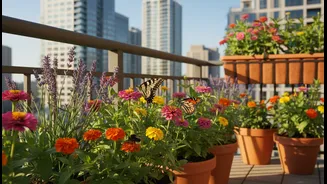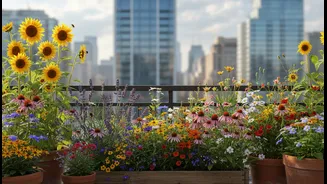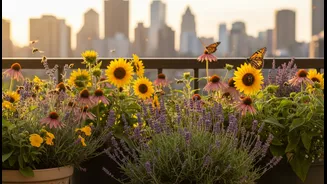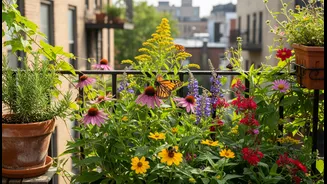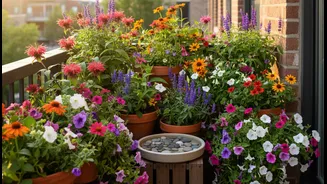


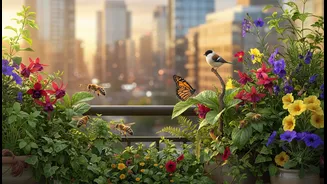


Why Your Balcony Matters
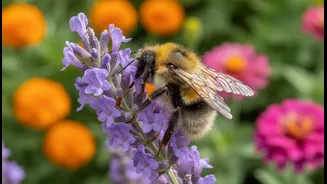
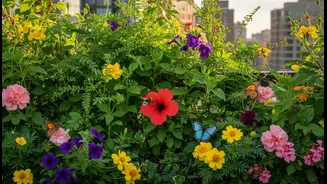
In bustling cities and towns, green spaces are often fragmented, leaving pollinators like bees and butterflies with limited food sources. Urban balconies can act as crucial stepping stones or 'safety nets' in the landscape, providing essential nectar
and pollen. By choosing the right plants, your small space can become a vital part of a larger ecological network, supporting biodiversity and the health of our food systems. The goal is to create a reliable food station, offering blooms that different pollinators can visit throughout the seasons.
Marigold (Genda)
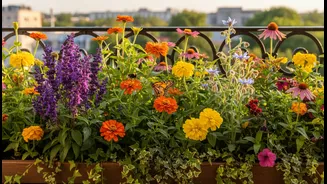
Perhaps one of the most recognisable flowers in Indian households, the cheerful Marigold is also a powerhouse for attracting pollinators. Its bright yellow and orange blooms are rich in nectar, making them irresistible to bees and butterflies. Marigolds are famously low-maintenance and thrive in full sun, making them perfect for hot, sunny balconies. As an added bonus, their distinct scent is known to repel common garden pests, helping to protect other plants you might be growing. For best results, choose open-faced, single-petal varieties, as dense double blooms can make it harder for pollinators to access the nectar.
Holy Basil (Tulsi)
A staple in Indian culture for its medicinal and religious significance, Tulsi is also a favourite among bees. When allowed to flower, its small, fragrant blossoms produce a nectar that bees find incredibly attractive. Tulsi is well-suited to the Indian climate, grows well in pots, and its dense foliage adds lush greenery to any space. This makes it a multi-purpose plant for your balcony—beneficial for pollinators, useful in your kitchen, and sacred in your home. Remember that while pinching off flowers encourages more leaf growth, letting some bloom provides a valuable food source for local bee populations.
Cosmos
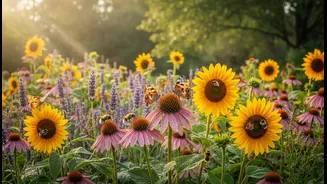
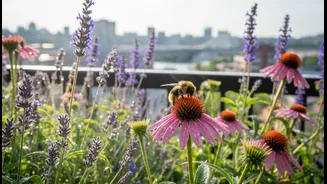
With their delicate, daisy-like petals and open-faced blooms, Cosmos are a magnet for butterflies like the Painted Lady and Swallowtail. These easy-to-grow annuals come in a wide range of colours, from white and pink to vibrant orange and red. They love full sun and are relatively drought-tolerant once established, making them a forgiving choice for beginner balcony gardeners. The simple, accessible shape of the flower allows pollinators to easily land and feed on its rich nectar stores. Planting them in clusters creates a more impactful visual display and a larger target for passing pollinators.
Pentas (Egyptian Starcluster)
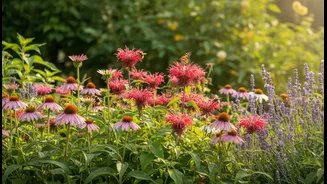
Known for its vibrant, star-shaped flowers that grow in dense clusters, Pentas is a true pollinator powerhouse. The tubular shape of the individual blossoms is particularly attractive to butterflies and hummingbirds, who can easily access the nectar with their long tongues or beaks. Available in shades of red, pink, lavender, and white, Pentas offers a long blooming season, providing a consistent food source throughout the warmer months. Red varieties are often cited as being especially popular with butterflies. They thrive in containers with good drainage and plenty of sun.
Lavender
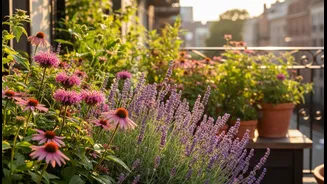
While not traditionally native to all parts of India, Lavender has become a popular choice for urban gardens due to its beautiful purple flowers and calming fragrance. These aromatic blooms are also highly attractive to bees. Lavender loves sunny, well-drained spots, making it a good candidate for a balcony that receives plenty of direct sunlight. Beyond its appeal to pollinators, having lavender on your balcony adds a wonderful sensory experience to your outdoor space.