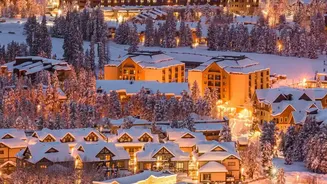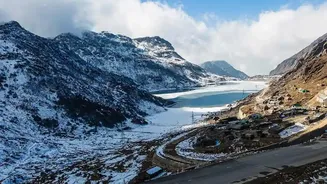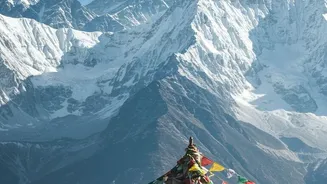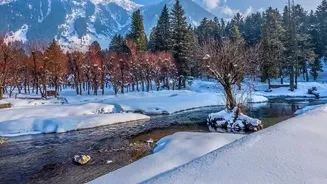



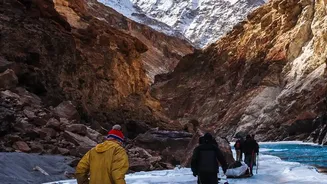
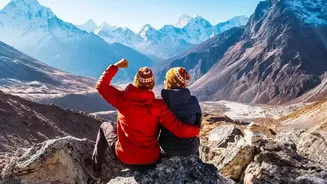
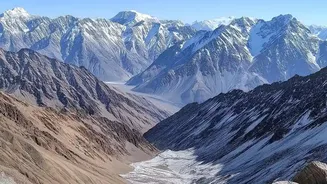
Why Brave the Himalayan Winter?
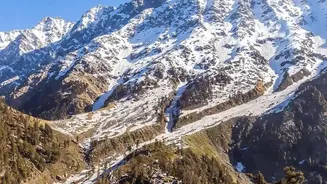
Before diving into preparations, it's worth remembering why a winter trip is so special. With fewer tourists, the mountains return to a state of profound tranquility. The air is crisp, offering exceptionally clear views of snow-laden peaks against sharp
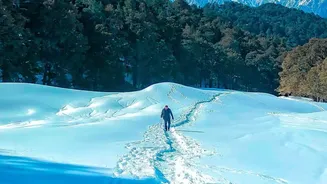
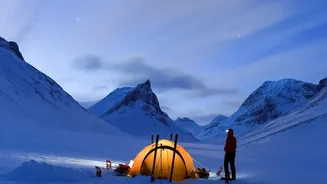
blue skies. The landscape transforms into a pristine white wonderland, providing a unique and peaceful experience for trekkers and travelers alike. It’s a chance to see popular destinations like those in Uttarakhand and Himachal Pradesh without the summer crowds, offering a more intimate connection with the environment. Many accessible treks, like Kedarkantha and Chopta-Chandrashila, are at their most beautiful during this season.
Layering: The Golden Rule of Warmth
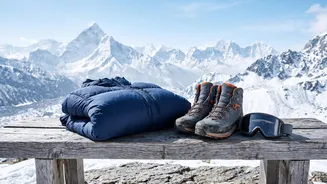
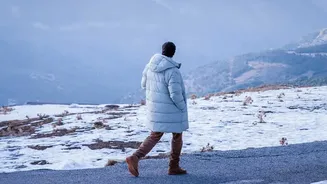
The key to comfort in sub-zero temperatures isn't one bulky jacket, but a smart layering system. Think in threes: a base layer, a mid layer, and an outer shell. Your base layer (thermals) should be made of a moisture-wicking material like merino wool or a synthetic blend, never cotton. Cotton absorbs sweat and makes you colder. The mid layer provides insulation; a fleece jacket or a down jacket works perfectly. The outer layer should be a waterproof and windproof shell to protect you from the elements. This system allows you to add or remove layers to regulate your body temperature as conditions change throughout the day.
Essential Gear Beyond Clothing
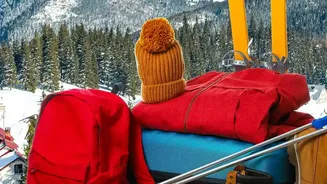
Your packing list must extend beyond jackets. Insulated, waterproof trekking shoes with good grip are non-negotiable. Pair them with several pairs of wool socks to keep your feet dry and warm. Your extremities are most vulnerable to the cold, so pack insulated gloves, a woolen cap or balaclava that covers your ears, and a scarf or buff. Sunglasses are crucial to protect your eyes from the intense glare of the sun on snow. Sunscreen and lip balm are also must-haves, as the high-altitude sun combined with dry, cold air can be harsh on your skin. A sturdy backpack (50-60L) and trekking poles for stability on snowy paths complete your essential gear.
Health and Acclimatization
High altitude presents challenges year-round, but the cold can exacerbate them. Acute Mountain Sickness (AMS) is a real risk above 2,100 meters. Prevention is the best cure: ascend gradually and allow your body a day or two to acclimatize before gaining significant height. Stay hydrated by drinking plenty of water; the dry winter air can dehydrate you quickly. Cold air can also irritate airways, so breathing through a buff or scarf can help. Carry a well-stocked first-aid kit with medications for common ailments like headaches, colds, and any personal prescriptions. Consulting a doctor about altitude sickness medication before your trip is also a wise step.
Smarter Itinerary Planning
Shorter days mean less travel time. Plan your daily travel or treks to conclude well before sunset. Winter weather is unpredictable; landslides and heavy snowfall can block roads, sometimes for days. High-altitude passes like the Leh-Manali highway officially close for the winter months. Always build buffer days into your itinerary to account for potential delays. Before you go, check the latest road and weather conditions with local authorities or reliable tour operators. Many lower-altitude treks and destinations remain accessible and offer stunning winter experiences without the risks of high-pass crossings.
Accommodation and Sustenance
In winter, many hotels and guesthouses in higher regions may close. Those that remain open offer a cozy refuge but come with their own set of realities. Expect traditional heaters like 'bukharis' (wood-burning stoves) rather than central heating. Water pipes can freeze, so running water might be a luxury. Opting for a homestay can be a rewarding experience, offering a glimpse into how local communities adapt to the season with incredible resilience. Food-wise, your body will crave warm, high-energy meals. Embrace local, hearty cuisine which is perfectly adapted to the cold climate.