
Master the Mat Strategy
Your first line of defence is the doormat, but one is often not enough. Implement a two-mat system for maximum effect. Place a sturdy, coarse mat outside your door. Materials like rubber or coir are excellent for scraping off the initial layer of mud
and grime. These mats often feature tough bristles or grooves that dislodge debris from the bottom of shoes. Inside, place a highly absorbent mat. Look for materials like microfiber or mats with special water-trapping capabilities that can soak up excess moisture. This indoor mat catches whatever the outdoor one misses, ensuring shoes are significantly cleaner and drier by the time they hit your floors. This simple duo acts as a powerful barrier against tracked-in messes.
Designate a Drip Zone
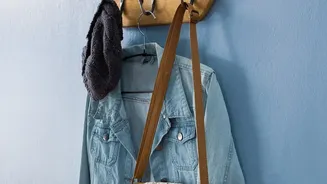
The biggest culprits of rainy-day chaos are dripping umbrellas and soaked raincoats. Instead of letting them leave trails of water through your home, create a dedicated 'drip zone' right at the entrance. This doesn't require a separate room. A simple waterproof boot tray can be a game-changer. Place it near the door to corral wet shoes and boots, containing puddles and making cleanup effortless. For umbrellas, a tall, narrow stand with a drip tray at the bottom is an indispensable tool. It keeps umbrellas upright, contained, and prevents water from pooling on your floor. If you have wall space, a few sturdy hooks can serve as a spot for hanging wet raincoats, ideally positioned above the boot tray to catch any drips.
Rethink Your Shoe Storage
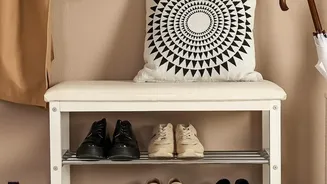
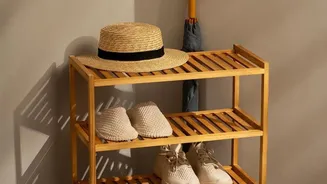
Wet shoes are not just messy; they can also develop mould and a musty odour if not allowed to dry properly. During the monsoon, closed shoe cabinets can be problematic as they trap moisture. Opt for open storage solutions near the entryway. A simple, multi-tiered shoe rack allows for better air circulation, helping footwear dry faster. Even better, look for benches that have an open slatted or grated shelf underneath. This provides a place to sit while removing shoes and a spot for them to air out simultaneously. For particularly soaked shoes, stuffing them with newspaper can help absorb internal moisture more quickly. The key is to promote airflow and prevent dampness from lingering.
Create a Quick-Clean Caddy
Even with the best preventive measures, some water and mud will inevitably find its way inside. The trick is to be prepared for a quick response. Assemble a 'quick-clean caddy' and keep it in a closet or a discrete corner near the entrance. This caddy should contain everything you need for an immediate cleanup: a few old, absorbent towels or microfiber cloths for wiping up puddles and footprints, a small spray bottle with a gentle cleaning solution, and perhaps a small dustpan and brush for any solid debris. Having these tools readily accessible means you can tackle small messes in seconds before they become bigger problems or get tracked further into the house. It's about making the cleanup so easy that it doesn't feel like a chore.
Embrace Smart Accessories
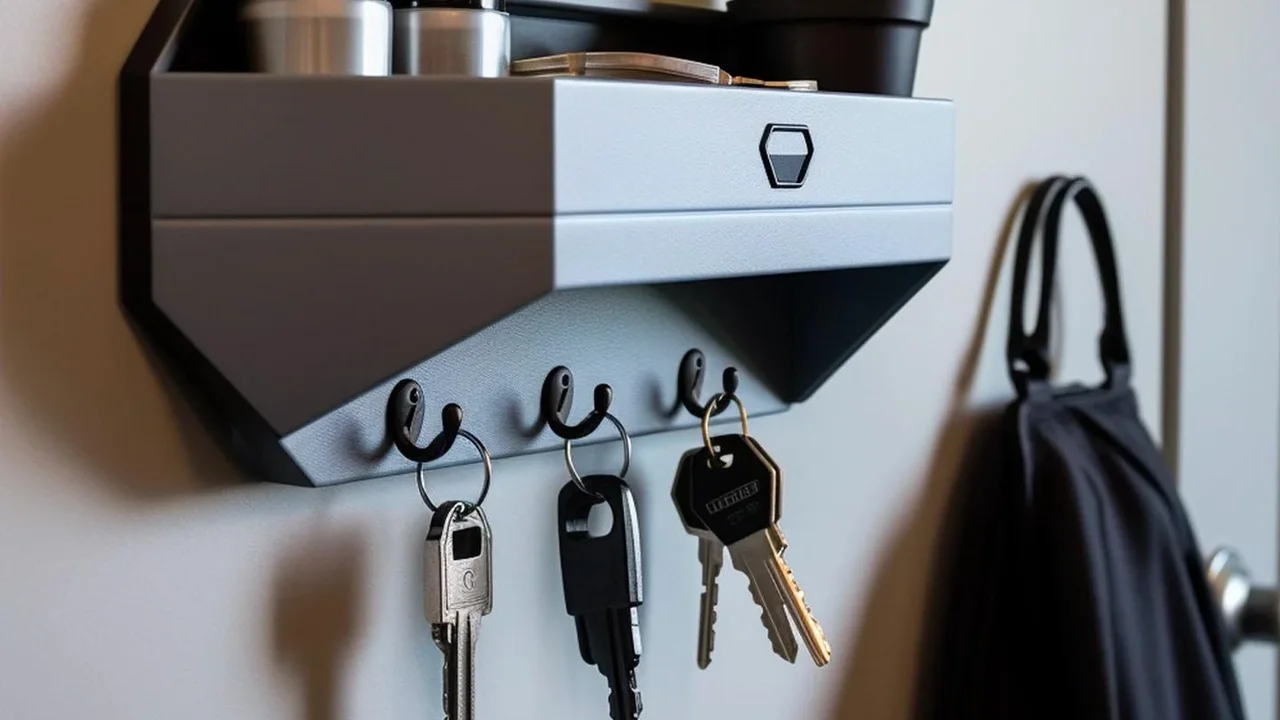
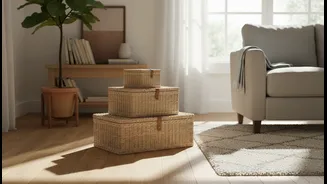
Sometimes, small additions can make the biggest difference. Consider using moisture absorbers, like silica gel packets or camphor balls, in your shoe racks or entryway closets to combat the damp, musty smell that often accompanies the rainy season. Handwoven baskets can be a stylish way to store dry but bulky items like scarves or caps. A small, decorative bowl on a console table can serve as a designated spot for keys and wallets, preventing them from getting misplaced in the shuffle of taking off wet gear. By thinking about the entire process of entering your home on a rainy day, you can introduce small, functional items that streamline the process and maintain order.