





From Carpet Area to Quality of Life
The traditional Indian homebuying journey was a numbers game, dominated by location and price per square foot. Buyers stretched their budgets to acquire the largest possible space, often at the expense of other factors. While size still matters—with a notable
trend towards 3BHKs and even larger configurations—the definition of value has expanded dramatically. Today's buyers are increasingly asking not just 'how big is it?' but 'how will it improve my life?'. This has pushed the market toward what experts call a 'flight to quality', where construction, developer credibility, and thoughtful design are non-negotiable.
The Post-Pandemic Home as an Ecosystem
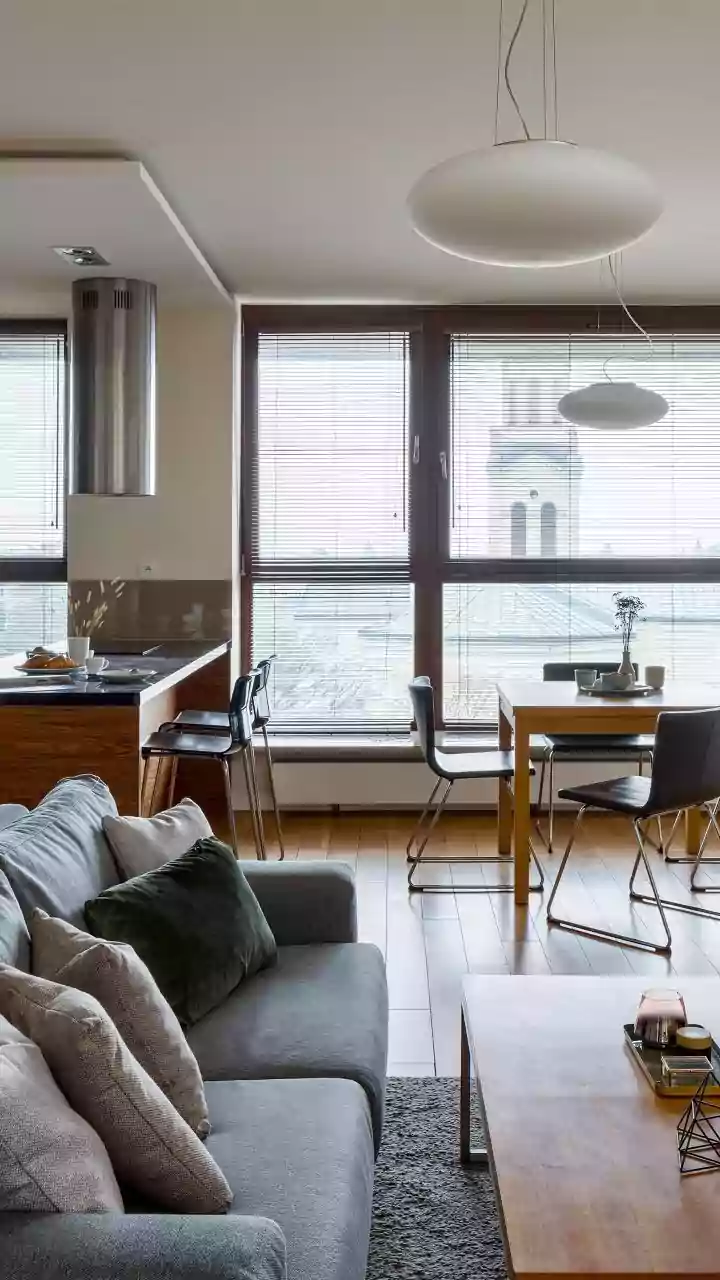
The pandemic acted as a powerful catalyst, transforming homes into offices, schools, and gyms overnight. This forced a fundamental re-evaluation of what a home needs to provide. The lasting impact is a demand for flexible spaces that can accommodate a hybrid work-life model. A spare bedroom is no longer just for guests; it's a non-negotiable home office that requires good natural light, ventilation, and acoustic separation. This has also changed the calculus on location. With commutes reduced from five days a week to two or three, buyers are more willing to move to peripheral corridors, trading a prime city address for larger homes and better amenities.
The Rise of the '15-Minute City'
Convenience has been redefined. It's no longer about a prestigious pin code but about having everything you need within a short walk or drive. This has fueled explosive growth in demand for integrated townships, master-planned communities designed as self-sufficient ecosystems. These developments combine residential towers with offices, schools, healthcare facilities, retail centers, and recreational spaces. The 'walk-to-work' or 'walk-to-everything' model addresses the urban challenges of traffic and long commutes, offering a more efficient and predictable daily life. For many, the sense of community, security, and access to organised green spaces within these townships is now a bigger draw than a standalone apartment in a congested city center.
Wellness as the New Luxury
Perhaps the most significant evolution is the focus on wellness. This goes far beyond a clubhouse gym or pool. Buyers are now actively seeking homes that promote physical and mental well_being. This translates to a demand for features like advanced air and water purification systems, noise_controlled environments, and designs that maximize natural light. Developers are responding with wellness_centric communities that feature yoga decks, meditation zones, walking tracks, and abundant greenery. Sustainability is also a key part of this conversation, with a growing preference for homes with green building certifications, solar panels, and water_saving technologies. This indicates a cultural shift where a home is seen not just as a shelter, but as an environment that actively contributes to a healthier life.