






The Ocean's Data Deficit
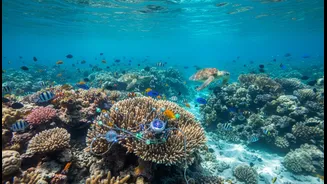
Human activities, from pollution and overfishing to the overarching effects of climate change, are putting immense pressure on marine environments. We know this is happening, but the full extent and speed of the damage remain poorly understood. This is because
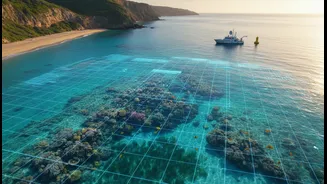
traditional monitoring methods, like infrequent ship-based surveys and satellite data that only skim the surface, provide a patchy and often outdated picture. According to recent scientific discussions, these current approaches are often expensive, labour-intensive, and fail to provide the comprehensive, real-time data needed to manage our oceans effectively. This lack of detailed information is a significant hurdle, as scientists warn we cannot protect or manage what we cannot properly measure.
A Fragile Global System
Recent studies, including one published in Nature Climate Change, have quantified just how precarious our global ocean observing network is. The Global Ocean Observing System (GOOS), a network of robotic floats, buoys, and research vessels, is the backbone of everything from hurricane forecasts to fisheries management. The research found that even small disruptions to this network, such as funding cuts, can have a disproportionately large impact, severely degrading the accuracy of ocean health data. For example, a simulation showed that losing just 20% of observations immediately degrades the accuracy of ocean heating estimates by a third. The system's fragility means our ability to predict extreme weather, manage food sources, and track climate change is more vulnerable than previously thought.
Why This Matters for India
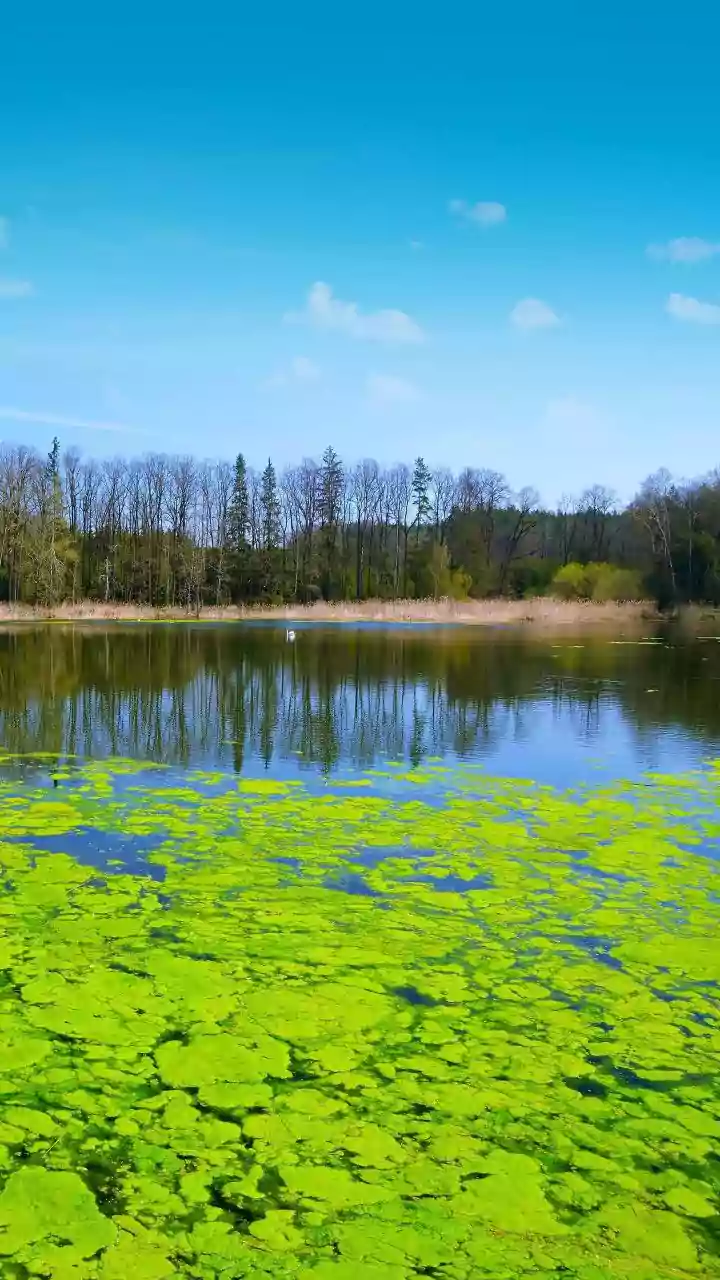
For India, with its 7,500-kilometre coastline and a burgeoning 'Blue Economy' that contributes around 4% to its GDP, the stakes are incredibly high. The health of the Indian Ocean dictates the monsoon, which is the lifeblood of the nation's agriculture. Millions of people in coastal communities depend directly on the sea for their livelihoods, primarily through fishing. However, these vital resources face threats from pollution, habitat degradation, and climate change. Effective monitoring can provide early warnings for phenomena like harmful algal blooms, track fish stocks to prevent overfishing, and help manage coastal erosion, directly impacting the nation's food security, economic stability, and the safety of its coastal population.
The Future of Ocean Monitoring
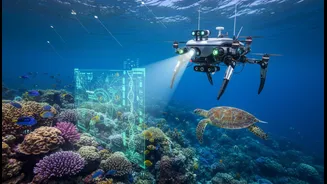
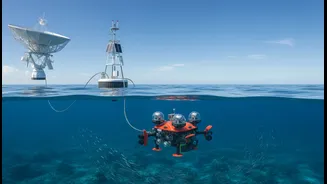
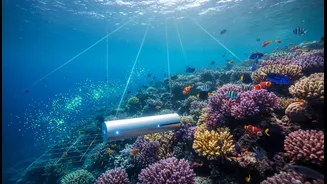
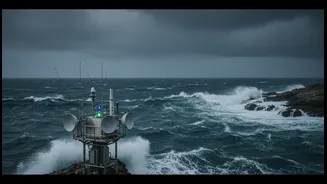
The good news is that technology offers a path forward. The next generation of marine monitoring is moving towards more integrated and autonomous systems. This includes fleets of solar-powered marine drones and autonomous underwater vehicles (AUVs) that can collect data for months on end, from the surface to the deep sea. Smart buoys and fixed sensors can provide real-time data on water chemistry, temperature, and pollution. Furthermore, breakthroughs like environmental DNA (eDNA) analysis allow scientists to detect the presence of marine species from just a water sample, offering a revolutionary, non-invasive way to monitor biodiversity. When combined with artificial intelligence and machine learning, these technologies can analyse vast datasets to identify trends, predict changes, and provide actionable insights far more quickly than ever before.
From Data to Decisive Action
Ultimately, better data is not just an academic exercise; it's the foundation for better policy. A clearer, more detailed understanding of marine ecosystems allows for the creation of more effective Marine Protected Areas (MPAs) and sustainable fishing quotas. It can help guide coastal development and infrastructure projects, like offshore wind farms, to minimise their environmental impact. For India, investing in and contributing to these advanced monitoring systems aligns with its goals under the 'Blue Economy 2.0' framework and initiatives like SAGAR (Security and Growth for All in the Region). By strengthening the science-policy interface, India can better protect its marine resources, ensure the resilience of its coastal communities, and solidify its role as a leader in sustainable ocean governance.