








The Allure of the Digital Cosmos
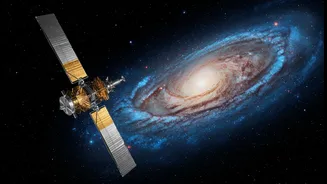
It’s impossible to deny the power of a spectacular image from the cosmos. Telescopes like the Hubble and the James Webb Space Telescope have become cultural icons, delivering breathtaking visuals that blur the line between science and art. These images
inspire awe, fill our social media feeds, and give us a powerful sense of connection to the universe. For many, this is the beginning and end of their engagement with astronomy. The universe becomes a gallery of beautiful, static portraits. This aesthetic appreciation is valuable; it sparks curiosity and reminds us of the vast, wondrous reality beyond our world. But it also risks reducing a dynamic field of discovery into a mere collection of pretty pictures, obscuring the monumental effort and urgent challenges that lie behind every single pixel.
A Sky Full of Satellites
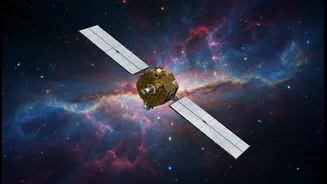
One of the most immediate threats to astronomy comes not from the distant universe, but from low-Earth orbit. The explosion of commercial satellite constellations, designed to provide global internet, is rapidly changing our view of the night sky. While promising greater connectivity, these thousands of satellites reflect sunlight, creating bright streaks that contaminate images from ground-based telescopes. A recent study warns that proposals for over 1.7 million satellites could have "devastating consequences for astronomy". The issue isn’t just about ruined photos; it’s about a fundamental increase in the overall brightness of the night sky, creating a pervasive light pollution that affects optical, radio, and microwave astronomy. Even space-based observatories like the Hubble Space Telescope are not immune, with forecasts showing that a third of its images could be contaminated if proposed constellations are completed. This digital traffic jam threatens to blind the very instruments we rely on to look out into the universe.
The Human Equation
Beyond the hardware and the encroaching satellites, the future of astronomy depends on people. The field has long struggled with diversity and inclusion. Reports have highlighted the persistent underrepresentation of women, people of colour, and other marginalised groups in physics and astronomy. This isn't just a matter of social justice; it's a matter of scientific excellence. A lack of diversity limits the pool of talent, ideas, and creative problem-solving approaches available. Creating a supportive and equitable environment is crucial for attracting and retaining the next generation of scientists. This means addressing systemic barriers, providing mentorship, and ensuring that academic departments are welcoming spaces for everyone. The human pipeline—from curious student to groundbreaking researcher—is the most critical piece of infrastructure astronomy has, and it requires deliberate, sustained investment.
From Passive Viewing to Active Support
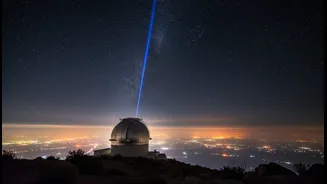
So what does astronomy need? It needs more than our passive 'likes' on a photo of a galaxy. It needs active and engaged public support. This starts with recognising that astronomical images are not just art, but the end product of complex data analysis, sophisticated engineering, and immense human effort. It means supporting policies that mitigate light and satellite pollution, preserving the dark skies that are a shared global heritage. It means championing funding for fundamental research, not just for the big, shiny telescopes but for the grants that support early-career scientists and the software engineers who manage immense data sets. In India, this translates to supporting the work of our observatories and fostering a scientific temper that values inquiry and discovery for its own sake. When we advocate for the health of astronomy, we are advocating for our ability to ask the biggest questions and for a society that values the pursuit of knowledge.