

The Small Furniture Fallacy
When square footage is tight, the natural impulse is to scale everything down. Many people believe that filling a room with undersized furniture will make it feel more open. However, interior designers often point out this is one of the most common mistakes
they see. A collection of small, disconnected pieces—a tiny sofa, a miniature coffee table, and small accent chairs—can make a room feel cluttered and visually chaotic. Instead of creating a sense of space, this approach can lead to an unbalanced 'dollhouse' effect, where nothing feels properly anchored and the room lacks purpose and flow. Furniture that is too small for the scale of the room can make the space feel unfinished and awkward.
The Power of Proportionality
The counterintuitive secret to decorating a small space is to use fewer, but larger, well-chosen pieces of furniture. A properly scaled sofa, for instance, can anchor a living room far more effectively than two small loveseats. The key is proportion. By selecting appropriately sized furniture, you create clear focal points and defined zones, which helps the eye make sense of the space, making it feel calmer and more collected. This doesn't mean stuffing a room with bulky items. Instead, it's about finding a balance. Choose pieces with slim profiles and exposed legs, which allow you to see the floor underneath, creating an illusion of more space. The goal is to avoid furniture that is either too overwhelming or too diminutive.
Furniture That Works Overtime
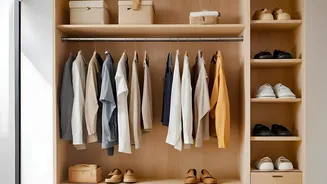
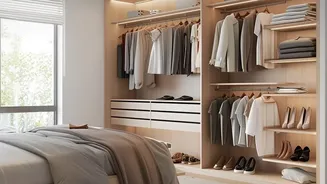
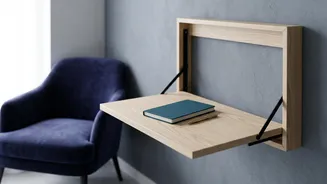
This is where smart storage truly shines. Multifunctional furniture is a non-negotiable for modern compact homes, especially in urban India where space is a premium. Instead of a standard bed, opt for one with built-in hydraulic or drawer storage to hide away linens and seasonal clothing. A coffee table can offer more than just a surface for drinks; many now come with hidden compartments or a lift-top that transforms it into a work desk. A stylish ottoman can provide extra seating, act as a footrest, and offer concealed storage for blankets or magazines. By choosing pieces that serve two or three functions, you drastically reduce the amount of furniture you need, freeing up valuable floor space and keeping clutter at bay.
Thinking Vertically
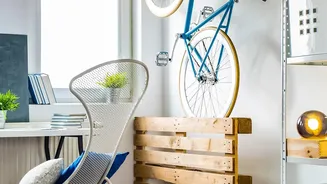
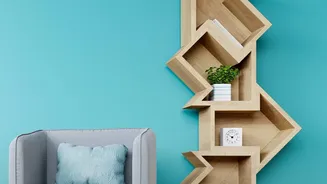
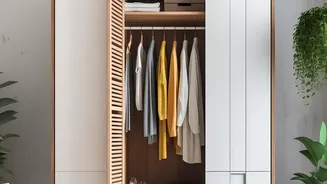
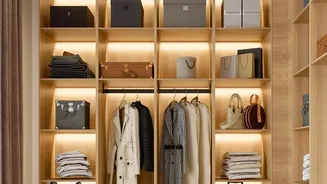
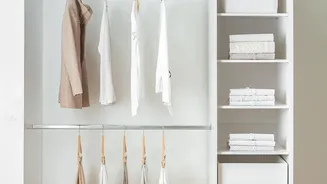
One of the most underutilised assets in any room is its vertical space. When you can't build outwards, build upwards. Drawing the eye upward creates an illusion of height and spaciousness. This can be achieved with tall, open shelving units or étagères, which provide ample storage without the visual weight of bulky, closed cabinets. Wall-mounted shelves are another excellent solution for books, decor, or kitchen supplies, as they keep the floor clear and make a room feel more open. Using vertical space doesn't just add storage; it adds character and a dynamic visual element to the room's design.
Strategic Placement and Decluttering
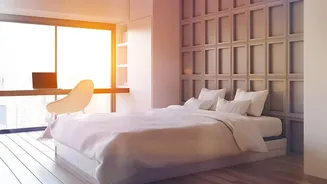
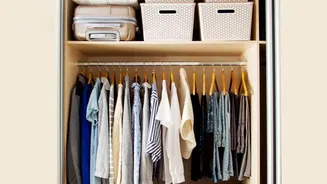
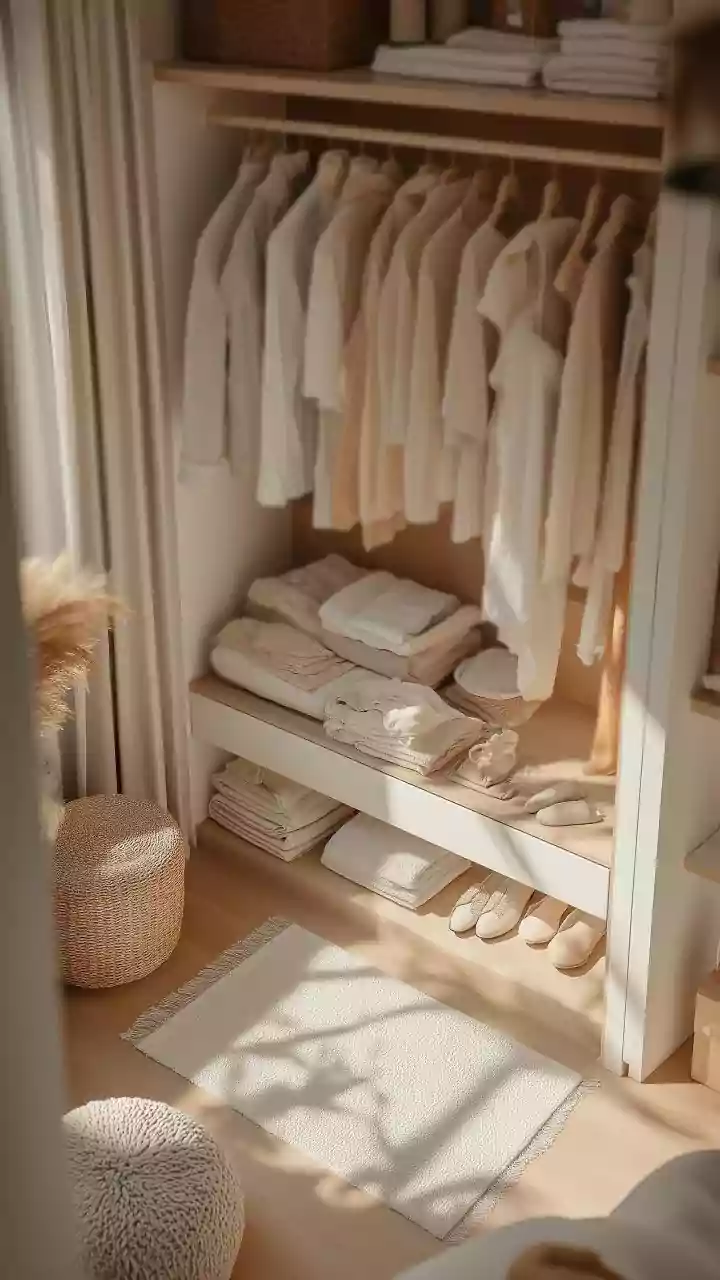
Even the smartest storage solutions won't work if a room is poorly arranged or filled with unnecessary items. Before investing in new furniture, the first step is always to edit and declutter. Open storage, in particular, forces you to be mindful of what you display. Once you've curated your belongings, focus on furniture placement. A common mistake is pushing all furniture against the walls, which can paradoxically make a room feel smaller by highlighting its limited dimensions. Instead, try 'floating' your main pieces, like the sofa, away from the wall to create a more dynamic and inviting layout. This allows for better traffic flow and makes the space feel more thoughtfully designed.