







Decoding the Most Common Labels
First, let's break down the terms you see most often. 'Natural' is a marketing term with loose regulations. According to the Food Safety and Standards Authority of India (FSSAI), it can be used for single-ingredient foods that haven't been significantly
altered. However, it doesn't say anything about the farming methods, meaning pesticides and chemical fertilisers could have been used. 'Organic' is a much more regulated term. For a product to be sold as organic in India, it must be certified and carry the FSSAI's unified 'Jaivik Bharat' logo. This certification ensures the food was grown without synthetic pesticides, GMOs, or chemical fertilisers, following standards set by the National Programme for Organic Production (NPOP) or the Participatory Guarantee System for India (PGS-India). So, if you see 'organic' written on a packaged product without the Jaivik Bharat logo, treat the claim with scepticism.
The 'Seasonal' Dilemma in Modern Stores
The term 'seasonal' itself has become blurry. Thanks to cold storage, global supply chains, and greenhouses, you can find apples in summer and mangoes in winter. But just because it's on the shelf doesn't mean it's truly in season. True seasonal produce is grown and harvested according to its natural cycle, without extensive storage or long-distance shipping. Eating produce that is genuinely in season offers several advantages. The flavour is typically better, the nutritional value is higher because it's picked at peak ripeness, and it's often more affordable because it's abundant and doesn't have high transport costs. Furthermore, eating seasonally supports local farmers and is better for the environment by reducing your food's carbon footprint.
A Simple Guide to India's Seasons
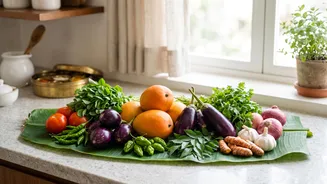
India's diverse climate means seasonality varies by region, but here is a general guide to what's at its peak during the three main seasons. Summer (March-June): This is the season for hydrating fruits and vegetables. Look for mangoes, watermelons, muskmelons, litchi, and jackfruit. Vegetables like cucumber, pumpkin, and various gourds (bottle, bitter, ridge) are also at their best. Monsoon (July-October): The rains bring a different kind of bounty. Fruits like jamun, peaches, plums, and pomegranates are excellent choices. For vegetables, this is the prime time for corn ('bhutta'), okra (bhindi), and leafy greens like amaranth. Winter (November-February): Cooler weather is perfect for a wide range of produce. Enjoy citrus fruits like oranges and sweet lime (mosambi). It's also the peak season for leafy greens like spinach (palak) and fenugreek (methi), as well as root vegetables like carrots, beets, and turnips.
How to Shop Smart, Beyond the Sticker
While labels provide some information, your senses are your best tool. Here’s how to pick the freshest, most seasonal produce: 1. Trust Your Eyes and Hands: Seasonal produce often looks vibrant and feels firm. A winter carrot should be bright orange and crisp, and a summer mango should have a rich colour and yield slightly to pressure. 2. Follow the Price: Basic economics can be a great guide. When a fruit or vegetable is in season, it's abundant, and the price drops. If you see strawberries for a very low price in January, they are likely at their peak. If they are unusually expensive in July, they're probably out of season and have been shipped from far away. 3. Shop at Local Mandis: Farmers' markets are one of the best places to find truly seasonal produce. Farmers bring what they have just harvested, so you are getting food that is fresh and aligned with the local climate's rhythm. Don't be afraid to ask the vendors what's best right now; they are the experts. 4. Embrace Imperfection: Perfectly uniform, shiny produce might look good, but it's not always a sign of quality. Truly local and seasonal items often come in varied shapes and sizes and may have minor blemishes.