




Understanding Gold Purity: What is a Karat?
The term 'karat,' abbreviated as 'K', is the unit used to measure the purity of gold. The system works on a scale of 0 to 24. Therefore, 24-karat gold is the purest form of gold available. Anything less than 24K means the gold is mixed with other metals,
known as alloys. For instance, 22K gold means it contains 22 parts pure gold and 2 parts other metals. These alloys, typically copper, silver, nickel, or zinc, are added to increase the metal's strength and durability, making it more suitable for crafting jewellery.
24-Karat Gold: The Purest Choice for Investment
24K gold is 99.9% pure gold, with no other metals mixed in. This high level of purity gives it a distinct, bright yellow colour that is richer than any lower-karat gold. However, this purity also makes it extremely soft and malleable. It can easily bend, scratch, or change shape, making it unsuitable for everyday jewellery. Because of its purity and higher intrinsic value, 24K gold is the preferred choice for investment purposes. It is typically sold in the form of gold coins, bars, and biscuits.
22-Karat Gold: The Standard for Jewellery
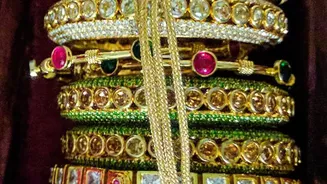
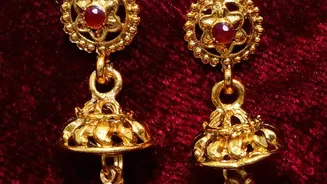
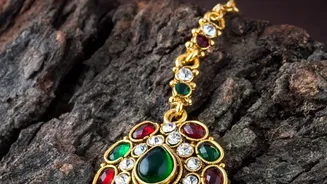
22K gold, often referred to as '916 gold', is composed of 91.67% pure gold and 8.33% alloy metals. The addition of metals like copper and zinc makes 22K gold significantly harder and more durable than its 24K counterpart. This durability allows it to withstand daily wear and tear, making it the most popular choice for crafting traditional and wedding jewellery in India, including necklaces, bangles, and rings. It strikes the perfect balance between high purity and the practical strength needed to hold intricate designs and gemstones securely.
Your Guarantee of Purity: The BIS Hallmark
To protect consumers from being sold lower-purity gold, the Bureau of Indian Standards (BIS) has established a mandatory hallmarking system. A BIS hallmark is a certification that guarantees the purity of the gold. Since June 2021, it has been mandatory for jewellers in specified districts across India to sell only hallmarked gold jewellery. This system ensures that you get the purity you pay for, bringing transparency and trust to every purchase.
Decoding the Modern 3-Mark Hallmark
The old four- or five-mark system has been replaced. Today, a valid BIS hallmark on a new piece of gold jewellery consists of three mandatory marks. The first is the triangular BIS logo. The second is a purity/fineness mark, which indicates the gold content (e.g., '22K916' for 22K gold or '18K750' for 18K gold). The third and most important component is the Hallmark Unique Identification (HUID) number. This is a unique six-digit alphanumeric code laser-engraved on each item. If a new piece is missing any of these three marks, it is not properly hallmarked under the current standards.
How to Verify Your Gold with HUID
The HUID is a powerful tool for every buyer. You can instantly verify the authenticity of your gold jewellery using the official 'BIS CARE' mobile app, available for both Android and iOS. Simply download the app, open the "Verify HUID" section, and enter the six-digit code from your jewellery. The app will display crucial details, including the jeweller who had it certified, the assaying centre's name, the type of jewellery, and its purity. This simple step takes just a minute and provides independent confirmation of your gold's credentials, protecting your investment.