






The Unexpected Budget Drain
Festive getaways are a time for relaxation and creating memories, but they often come with an unexpectedly high price tag, especially when it comes to food. It's easy to think of meals as a small part of the travel budget, but the costs quickly add up.
A few unplanned restaurant dinners, daily cafe stops, and expensive snacks at tourist spots can collectively blow a hole in your finances. Recent data shows that spending on food away from home is rising significantly faster than grocery prices, a gap that feels even larger on vacation. When every meal is bought at a premium, what starts as a budget-friendly trip can end with a shocking credit card bill.
Dodge the 'Tourist Food Tax'
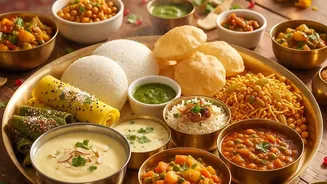
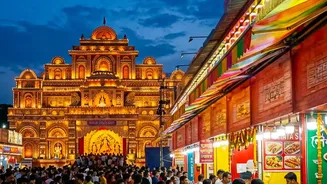
Tourist destinations are notorious for inflated prices, and this is especially true during the festive season when demand is high. Restaurants and cafes in popular spots know that travellers are a captive audience and price their menus accordingly. A simple thali that costs ₹100 at a local eatery can easily be marked up to ₹350 or more at a restaurant near a major attraction. This 'tourist tax' isn't just on full meals; it applies to everything from a bottle of water to a cup of tea. By planning some of your meals, you can consciously choose to eat away from these overpriced zones. Researching local 'dhabas' or eateries where residents eat, not just tourists, can lead to tastier, more authentic, and significantly cheaper meals.
Curb Impulsive Hunger Buys
Hunger is a powerful motivator, and when it strikes during a day of sightseeing, it often leads to impulsive and expensive food choices. Without a plan or a snack on hand, you are more likely to grab the first convenient option you see, which is rarely the most affordable one. Packing your own food creates a buffer against these moments. Having a bag of homemade snacks like khakra, roasted chana, or even just some fruit means you can satisfy your hunger immediately without derailing your budget. This simple act of preparation gives you control, allowing you to wait for a better, more thoughtfully chosen meal rather than making a rushed decision driven by an empty stomach.
Practical Meal Planning Strategies
Meal planning for a trip doesn't mean you have to cook every meal. The goal is to strike a balance between saving money and enjoying the local cuisine. Start by packing travel-friendly foods that have a good shelf life, like theplas, dry snacks, or instant poha mix. Booking accommodation with a kitchenette, or at least a mini-fridge, can be a game-changer. It allows you to store perishables and prepare simple breakfasts, saving you from expensive hotel breakfast buffets. For other meals, plan a mix. Decide which meals you want to splurge on as a special experience and which can be simple, budget-friendly affairs. Even researching one or two highly-rated, affordable local restaurants before you leave can prevent you from wandering into an expensive and disappointing tourist trap.
More Than Just Money
The benefits of meal planning extend beyond just financial savings. It reduces decision fatigue—the mental exhaustion that comes from making constant choices. Instead of debating where to eat three times a day, you can free up that mental energy to simply enjoy your surroundings. It can also be a healthier choice. Relying on restaurants and street food for every meal can lead to overeating or consuming unhygienic food. Having your own trusted snacks and meals provides a healthy, reliable option. Ultimately, planning gives you the power to be intentional with your spending, ensuring your money goes towards memorable experiences rather than overpriced, forgettable meals.