


The Ultimate Comfort Combo
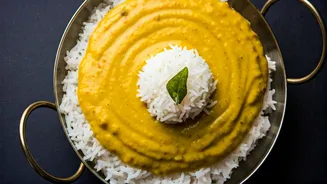
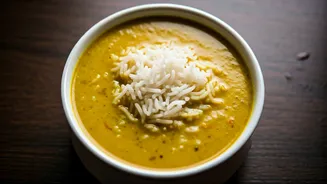
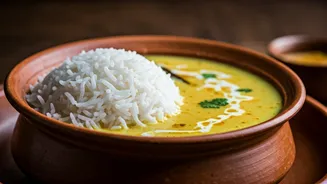
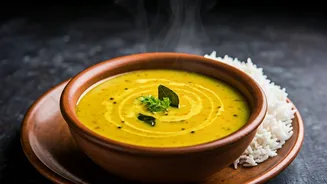
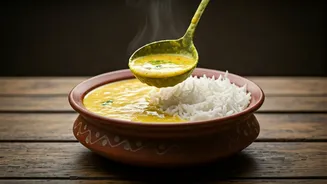
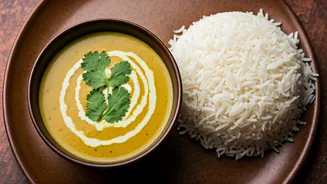
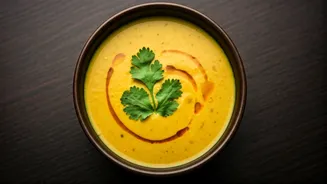
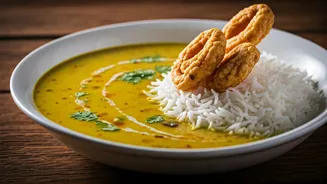
There are few meals in the Indian culinary lexicon that evoke the feeling of a warm hug quite like Kadhi Chawal. It’s a masterpiece of simplicity and balance. The kadhi, a slow-simmered, yogurt-based gravy thickened with gram flour (besan), is a study
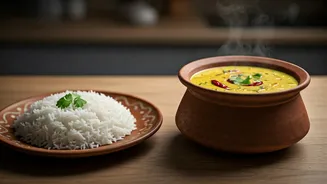
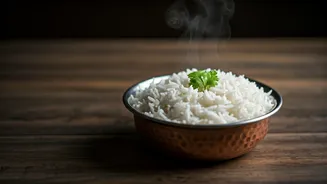
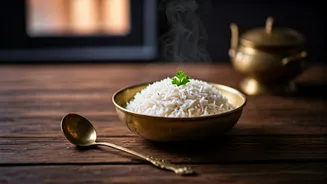
in contrasts. It's tangy from the yogurt, savoury from the spices, and carries a gentle heat from ginger and green chillies. This luscious, soupy curry is then poured over a mound of steaming, fluffy rice—the perfect neutral canvas to soak up all that flavour. The final flourish, a 'tadka' of ghee, mustard seeds, cumin, and dried red chillies sizzled until fragrant, anoints the dish with an aroma that signals pure, unadulterated comfort. It's this combination of textures—the soft rice, the silky gravy, and the often-included crispy pakoras—that makes each spoonful a deeply satisfying experience.
A Journey Across India
To call it one dish is almost an understatement. Kadhi is a culinary chameleon, changing its character as it travels across the states of India. In Punjab, the kadhi is thick, creamy, and generously studded with pillowy besan pakoras (fritters), making it a hearty meal in itself. Venture west to Gujarat, and you'll find a kadhi that is thinner, lighter, and carries a distinct sweet and tangy flavour profile, often eschewing pakoras for a simpler, more soup-like consistency. In Rajasthan, the kadhi is fiery and robust, designed to be eaten with bajra rotis and packed with spices to combat the arid climate. The Sindhi version is a delightful variation made with tamarind and vegetables, while Maharashtrian households enjoy 'Sol Kadhi', a refreshing kokum-based drink that shares a similar name and comforting role. This diversity is its strength; each version is a beloved local hero, tailored to the region's palate and produce, but all providing that same core comfort.
More Than Just a Meal
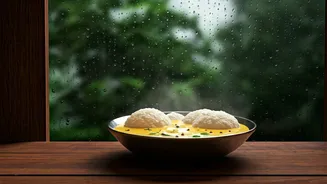
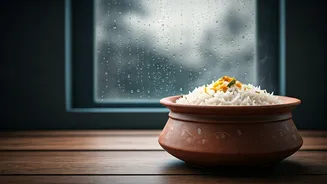
For countless Indians, Kadhi Chawal is inextricably linked to memory. It is the quintessential 'maa ke haath ka khana' (food made by a mother’s hands), the dish that was reliably on the stove when you came home drenched from playing in the rain. Its aroma doesn't just fill a kitchen; it fills a home with a sense of well-being. The act of making it is often a lesson passed down through generations—the right consistency of the yogurt, the perfect sizzle of the tadka, the patience required to let it simmer without splitting. It represents a culinary anchor, a simple pleasure that connects us to our childhood, to family gatherings, and to the reassuring rhythm of seasons. In a world of complex, fast-paced food trends, the enduring appeal of Kadhi Chawal lies in this emotional resonance. It’s a taste of home, no matter where you are.
Why Rain Demands Kadhi
There's a scientific reason behind our monsoon-driven desire for dishes like Kadhi Chawal. When the weather turns gloomy and temperatures drop, our bodies instinctively seek warmth and energy. Carbohydrate-rich meals, like rice, trigger the release of serotonin in the brain, a neurotransmitter that promotes feelings of well-being and happiness—a natural antidote to the dreary weather. The warm, soupy nature of kadhi provides physical warmth and hydration, while the protein from yogurt and besan offers sustained energy. Furthermore, the spices used in the tadka—like cumin, mustard, and asafoetida (hing)—are not just for flavour; many have digestive properties, which can be beneficial when the damp weather is believed to slow down our metabolism according to traditional Indian wisdom. So, when you crave that bowl of Kadhi Chawal on a rainy day, you're not just being nostalgic; your body is telling you exactly what it needs.