

Embrace the Magic of One-Pot Meals
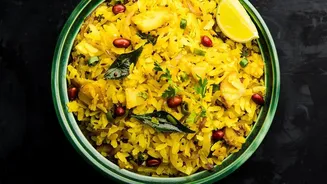
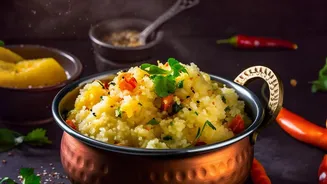
One of the best-kept secrets of simple Indian cooking is the one-pot meal. Dishes like khichdi, vegetable pulao, and tehri are staples for a reason. They combine rice, lentils, and vegetables into a single, cohesive dish that is both nourishing and incredibly
flavourful. Khichdi, often considered a comfort food, is a perfect example. Made from rice and lentils, it’s gentle on the stomach and can be adapted with whatever vegetables you have on hand. These dishes require minimal active cooking time. Once you’ve sautéed the initial spices and aromatics, you can often just add your main ingredients and water, cover the pot, and let it simmer until cooked. This approach saves time on both cooking and washing up, making it perfect for a busy weeknight.
Master a Few Spices, Not All of Them
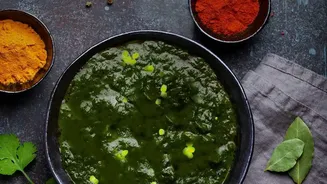
A well-stocked masala dabba is impressive, but you don’t need two dozen spices to create authentic flavours. Much of daily Indian cooking relies on a core group of about five or six spices. Turmeric (haldi) for colour and its anti-inflammatory properties, cumin seeds (jeera) for earthy warmth, coriander powder (dhania) for a bright, citrusy note, and red chilli powder for heat are the foundational pillars. Garam masala is often used as a finishing spice to add a final layer of aromatic complexity. By learning how these few key spices interact, you can create a vast range of dishes. The secret isn't in the quantity of spices used, but in the technique—such as blooming whole spices in hot oil (tadka) to release their essential oils and infuse the entire dish with flavour.
Unlock Speed with a Pressure Cooker
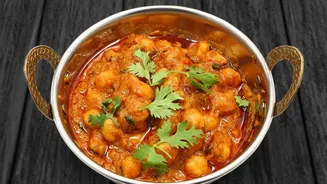
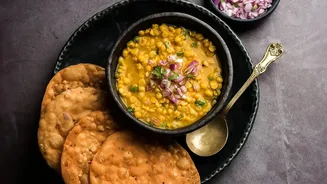
For generations, the pressure cooker has been the Indian home cook’s greatest ally, and for good reason. It drastically reduces the cooking time for foods that would otherwise take hours. Lentils and legumes, which are central to Indian cuisine, become tender and creamy in a fraction of the time. Dishes like dal makhani, rajma (kidney beans), and chana masala (chickpeas) are made achievable for a weeknight meal. Beyond legumes, a pressure cooker is also perfect for cooking rice, vegetables, and even meat curries. It locks in nutrients and flavour, and modern electric versions like the Instant Pot have made the process even safer and more convenient with pre-programmed settings.
Discover the Simplicity of Sabzi
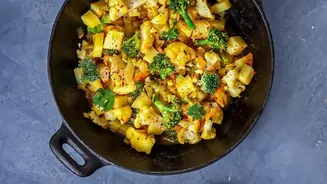
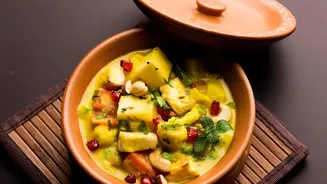
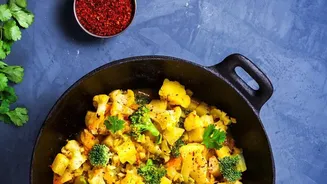
Not every Indian dish needs to be a rich, complex gravy. Simple vegetable preparations, known as 'sabzi', are a cornerstone of daily meals. These are often quick stir-fries or sautés that highlight the natural flavour of the vegetable itself. A simple aloo gobi (potato and cauliflower) or a beans poriyal (a South Indian preparation with coconut) can be made in under 30 minutes with just a few spices. The technique is straightforward: heat oil, add spices like mustard seeds or cumin, sauté aromatics like onion and ginger, add the vegetables, and cook until tender. These dishes are light, healthy, and a fantastic way to incorporate seasonal produce into your diet without the fuss of grinding pastes or slow-cooking sauces.
Keep Accompaniments Fresh and Easy
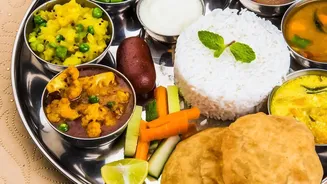
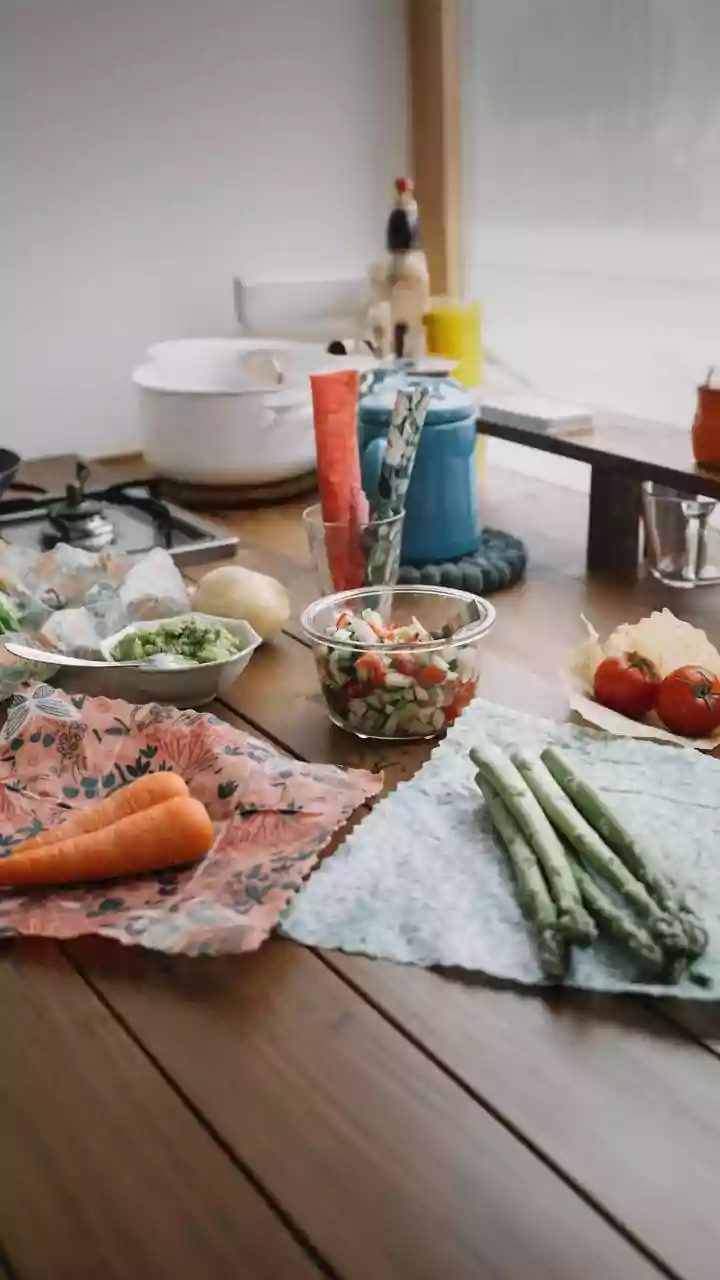
A wholesome meal is also about balance. Instead of feeling pressured to make elaborate side dishes, focus on simple, fresh accompaniments that complement your main course. A bowl of plain yogurt or curd is the most traditional and simplest side, helping to cool the palate. A kachumber salad, made from finely chopped onion, tomato, and cucumber with a squeeze of lemon juice and a sprinkle of salt, takes only five minutes to prepare and adds a refreshing crunch. Another easy option is a simple raita, where you whisk yogurt and add grated cucumber or tiny chickpea flour balls (boondi). These sides require no cooking but add texture, flavour, and nutritional balance to your plate.