







From Physical Gold to Financial Goals
Historically, the Indian approach to building wealth was tangible. We bought gold during festivals, invested in a plot of land for a child’s future, or parked money in a bank’s fixed deposit. These methods felt safe and secure; you could see and touch
your assets. They were reliable, but often struggled to outpace inflation, meaning the real value of your money grew very slowly, if at all. This mindset created a culture of saving, but not necessarily one of wealth creation. The landscape, however, is undergoing a monumental shift, driven by a simple financial tool that has captured the imagination of a new generation.
Demystifying the SIP
So, what exactly is a Systematic Investment Plan (SIP)? At its core, a SIP is not an investment itself, but a method of investing. Think of it like an automated subscription for your financial growth. You instruct a mutual fund to deduct a fixed amount of money from your bank account every month. This money is then used to buy units of a specific mutual fund scheme. Whether it’s ₹500 or ₹50,000, the process is the same. It turns investing from a daunting one-time decision into a simple, disciplined monthly habit, much like paying an EMI, but this time, you are paying yourself first.
The Two Superpowers: Consistency and Compounding
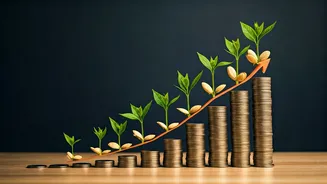
The real power of SIPs comes from two key principles. The first is 'rupee-cost averaging'. Since you invest a fixed amount regularly, you automatically buy more units when the market is down (and prices are cheap) and fewer units when the market is up (and prices are high). This smooths out your purchase cost over time and removes the stress of trying to 'time the market' perfectly. The second, and more magical, principle is compounding. As your investments generate returns, those returns get reinvested, and they too start generating their own returns. Over many years, this creates a snowball effect that can turn small, consistent investments into a significant corpus, demonstrating that time in the market is more important than timing the market.
Why is This Happening Now?
The SIP boom isn’t an accident. It's a perfect storm of technology, access, and awareness. The rise of fintech platforms and mobile trading apps has made starting a SIP as easy as ordering food online. The previously cumbersome KYC (Know Your Customer) process is now a seamless digital affair. Furthermore, a period of low interest rates on traditional products like FDs forced savers to look for better, inflation-beating alternatives. This, combined with a massive push for financial literacy by regulators and companies, created an environment where millions of first-time investors felt empowered to take their first step into the equity markets.
A New Generation of Investors
Data from the Association of Mutual Funds in India (AMFI) paints a clear picture of this revolution. The number of active SIP accounts in the country has surged, crossing the 8 crore mark. Monthly contributions regularly top ₹20,000 crore, showcasing the immense collective power of retail investors. What's most telling is *who* is investing. This wave is not just limited to the metros. A significant portion of new investors are from Tier-2 and Tier-3 cities. They are younger, digitally savvy, and have smaller initial amounts to invest, a demographic that was previously locked out of the market. The SIP has democratised access to wealth creation on an unprecedented scale.
The Bigger Economic Picture
This shift from physical savings to financial assets has profound implications for the Indian economy. The consistent flow of domestic retail money provides a stable foundation for the stock market, making it less volatile and less dependent on the whims of foreign institutional investors. It channels household savings into productive capital, funding companies, driving growth, and creating jobs. In essence, the rise of SIPs is helping formalise the economy and deepen India's capital markets. It represents a growing confidence among ordinary Indians, not just in a financial tool, but in the long-term story of the country's economic growth.