






A Cleaner and Faster Interface
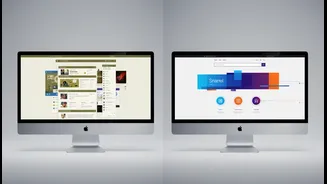
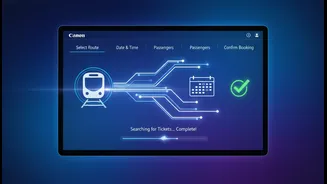
The most immediate change users will notice is the cleaner, more intuitive design. The old website was often criticized for its cluttered layout, distracting pop-ups, and flashing graphics. The new version aims to fix this by offering a simplified interface
that makes it easier to find what you need without unnecessary interruptions. This redesign isn't just cosmetic; it's built to be faster. Pages are expected to load more quickly, even on slower networks, reducing the lag that often led to frustration, especially during high-demand Tatkal booking windows.
Fewer Interruptions and Simplified Logins
One of the biggest grievances with the old system was the constant need for CAPTCHA verification, which often slowed down the booking process at critical moments. The new website has significantly reduced these interruptions, making for a smoother workflow. Furthermore, the login process has been streamlined. On the IRCTC Rail Connect app, users can now use a self-assigned PIN or biometrics to log in, bypassing the need to enter a username and password every time. For transactions, many processes now rely on a secure OTP verification, which adds a layer of security without the old password hassles.
AI-Powered Assistance with Ask DISHA 2.0
A significant leap forward is the integration of an AI-powered chatbot called Ask DISHA 2.0. Standing for 'Digital Interaction to Seek Help Anytime,' this virtual assistant can handle a wide range of tasks conversationally. Users can now book tickets, check PNR status, process cancellations, and even track refunds by simply chatting or using voice commands in English, Hindi, and Hinglish. This AI tool can guide you through the entire booking process, help you order food on the train, and answer queries 24/7, reducing the reliance on call centers or navigating complex menus.
Unified Seat and Fare Information
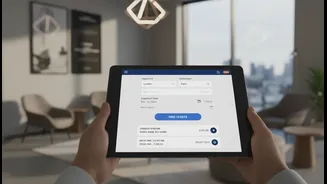
Previously, checking for available seats meant clicking through each class (Sleeper, 3A, 2A, etc.) one by one. The upgraded platform now displays seat availability across all classes on a single screen, allowing for quicker comparisons and decisions. Another helpful addition is the Fare Calendar. This feature lets travelers with flexible dates see and compare prices across a calendar view, making it easier to find the most economical option without performing multiple searches.
Massive Backend Infrastructure Upgrade
While users see the front-end changes, the most critical upgrade might be invisible. Indian Railways has overhauled its nearly 40-year-old Passenger Reservation System (PRS). The new backend is built to handle a much higher load, a direct response to frequent crashes during peak hours. The system's capacity is being increased to handle over 1.5 lakh bookings per minute, a massive jump from the previous 32,000. Similarly, it can now manage over 40 lakh enquiries per minute, up from 4 lakh, ensuring the site remains stable and responsive when you need it most.
More Accessible and Inclusive
The new website is designed to serve a broader audience. It will support multiple Indian languages, making it more accessible to people across the country who may not be comfortable with English. Additionally, the platform now integrates booking services for different concession groups. Facilities for Divyangjan passengers, students, and patients are being brought under a single, unified platform, streamlining what was previously a fragmented process.