




A Conservation Success Story
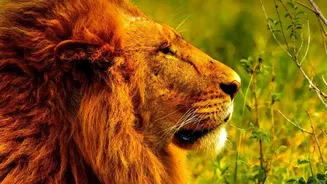
The Asiatic lion, a subspecies that once roamed across West Asia and India, was pushed to the brink of extinction by the early 20th century due to habitat loss and rampant hunting. Thanks to the timely intervention of the Nawab of Junagadh, who banned
lion hunting, and subsequent efforts by the government after independence, their last remaining population in Gujarat's Gir Forest was saved. From a perilous low of just a few dozen individuals, dedicated conservation programs have seen the lion population grow to over 674 by 2020. This remarkable recovery, however, led to overcrowding in Gir, highlighting the urgent need for a second safe habitat to protect the species from potential calamities like disease outbreaks.
Welcome to Barda: The Second Home
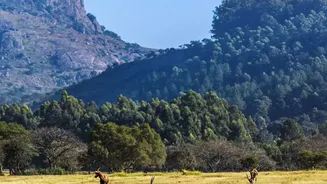
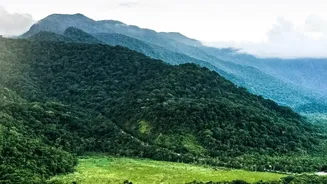
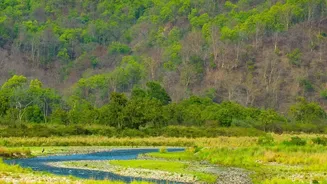
After years of research, Barda Wildlife Sanctuary, located about 100 km from Gir, was identified as the ideal second home for the lions. Declared a sanctuary in 1979, this 192 sq km area of hilly terrain, dry deciduous forests, and abundant flora was deemed a suitable environment. The 'Project Lion' initiative officially paved the way for this historic translocation. The process began with the natural dispersal of a male lion into Barda in January 2023, followed by the introduction of several females by the Gujarat Forest Department. As of late 2026, a small but growing population of 17 lions, including cubs, has successfully established itself in the sanctuary, marking their return after an absence of nearly 145 years.
Planning Your Visit: How to Get There
Barda Wildlife Sanctuary is most accessible from the city of Porbandar, which lies just 15-20 km away.Air: The nearest airport is in Porbandar, with connections to major Indian cities. From the airport, you can hire a taxi for the short journey to the sanctuary.Rail: Porbandar also has a well-connected railway station. Taxis and local transport are readily available to take you to Barda.Road: The sanctuary is well-connected by road. The nearest major bus stand is at Ranavav, about 8 km away. You can also drive from nearby cities like Jamnagar (approx. 120 km) or Rajkot (approx. 151 km).
The Barda Jungle Safari
To cater to a growing interest, a regulated Barda Jungle Safari was launched in 2024. This provides an organised way for visitors to experience the sanctuary's rugged beauty and diverse wildlife. The safari operates seasonally, typically from mid-October to mid-June, with morning and evening slots. While spotting the newly introduced lions is a rare treat, the sanctuary is also home to leopards, sambar, chinkara, nilgai (blue bull), and a rich variety of birdlife, including the crested hawk-eagle. Booking for the safari is currently handled directly by the Forest Department, and it's best to call in advance to confirm slots and procedures. The safari permit costs around ₹400, with additional charges for the mandatory jeep and guide.
Best Time to Visit and Accommodation
The ideal time to visit Barda Wildlife Sanctuary is during the cooler winter months, from November to February. The pleasant weather is perfect for safaris and exploring the area. The summer months from March to June can be very hot, while the safari is closed during the monsoon season (mid-June to mid-October).There are no accommodation facilities within the sanctuary itself. Visitors should plan to stay in the nearby city of Porbandar, which offers a wide range of hotels, from budget options to more comfortable establishments. Some tour operators also offer stays in Devbhumi Dwarka. Booking your stay in Porbandar provides a convenient base to explore both the sanctuary and other local attractions like Kirti Mandir, Mahatma Gandhi's birthplace.