



The Tale of Three Breakfasts
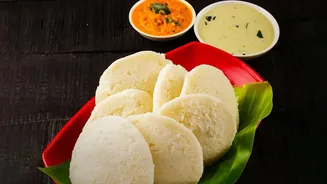
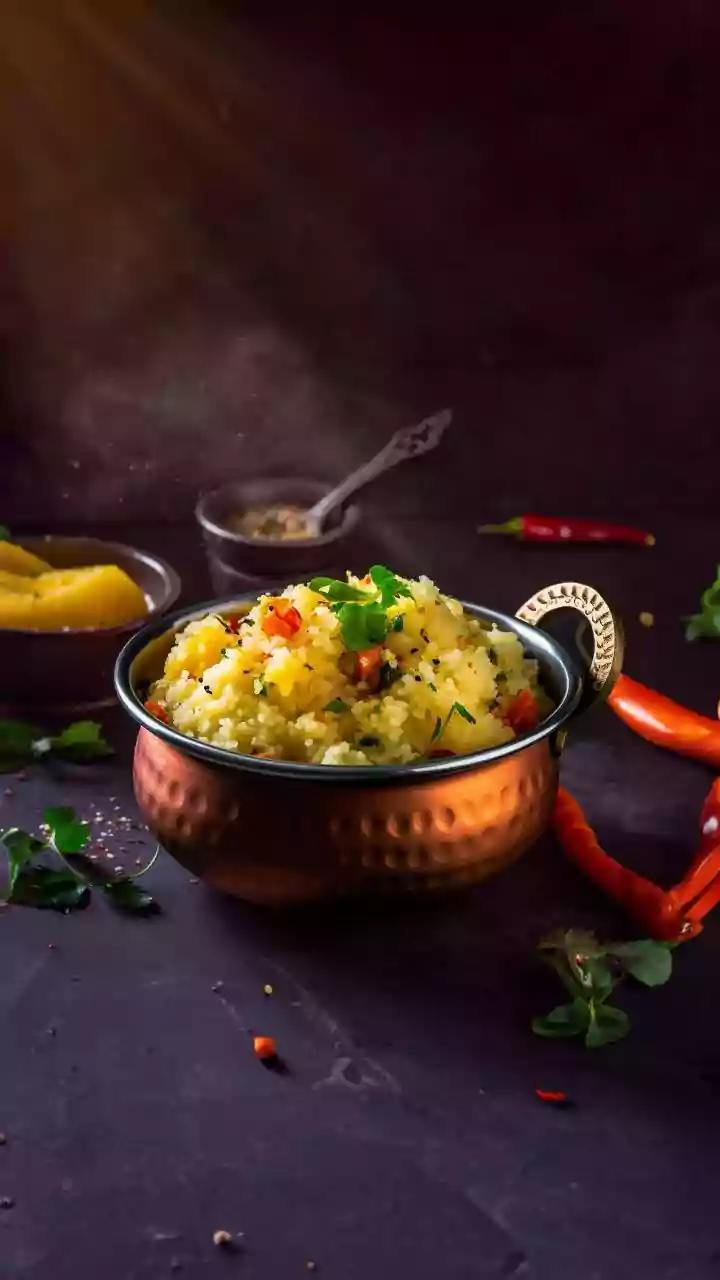
Poha, made from flattened rice, is a quick and versatile dish enjoyed widely, especially in Maharashtra and Madhya Pradesh. It’s known for its light texture and savoury taste, often tempered with mustard seeds and turmeric. From the south comes the idli,
a soft, steamed cake made from a fermented batter of rice and urad dal (black lentils). It’s a neutral canvas, perfect for soaking up flavourful sambar and chutneys. Then there's dhokla, a spongy, savoury cake from Gujarat, made from a fermented batter of gram flour (besan) or a mix of rice and lentils. It’s steamed, offering a unique sweet and tangy flavour profile.
The Battle of Origins
Each of these dishes carries a rich history. Poha, or flattened rice, has ancient roots in India, with mentions of 'aval' found in the Mahabharata. Its modern popularity surged from Maharashtra and was famously adapted in Indore. Idli's journey is more debated. While early versions are mentioned in ancient Indian texts, food historians like K.T. Achaya suggest the modern steamed and fermented version might have been influenced by Indonesian 'kedli' between 800-1200 CE. Dhokla's story begins in Gujarat, with a precursor dish called 'dukkia' mentioned in Jain texts from 1066 CE. The name 'dhokla' itself first appeared in a Gujarati text in 1520 CE, cementing its long-standing cultural significance in the region.
The Nutritional Showdown
This is where the differences become clear. Idli is a champion of gut health. The fermentation process makes it rich in probiotics, easy to digest, and increases the bioavailability of nutrients like B vitamins. It's steamed, making it naturally low in fat and calories, with a single idli containing around 35-60 calories. Dhokla, also often fermented and steamed, is a protein powerhouse, especially when made from besan. A 100g serving can offer 7-12 grams of protein, significantly more than its rivals. It has a low glycemic index, making it great for sustained energy. Poha's main strength is being a good source of iron and healthy carbohydrates for a quick energy boost. While generally low in calories, its nutritional profile depends heavily on additions like peanuts and oil.
The Preparation Challenge
When it comes to morning convenience, poha is the undisputed winner. It requires no grinding or fermentation and can be ready in under 20 minutes, making it perfect for a hectic schedule. Dhokla and idli demand more planning. Both batters traditionally require soaking, grinding, and several hours of fermentation to achieve their characteristic textures. Idli involves steaming the batter in special moulds, while dhokla is steamed in a tray before being cut and tempered. While instant mixes for both dhokla and idli are widely available, many argue they don't quite capture the flavour or full health benefits of the traditional, slow-fermented process.
The Final Verdict: Which Is Best?
There's no single winner in this breakfast battle, as the 'best' choice depends entirely on your goals. For gut health and a light, low-calorie meal, idli is an excellent choice. Its probiotic content and ease of digestion are hard to beat. If you're looking for a protein-packed start to your day that keeps you full and supports blood sugar stability, dhokla is the way to go. And for those mornings when time is short and you need a quick, comforting, and energising meal, poha is the reliable go-to. Each dish is a healthy option compared to fried alternatives, and all three beautifully represent the diversity of Indian cuisine.