






A Mission of Mixed Fortunes
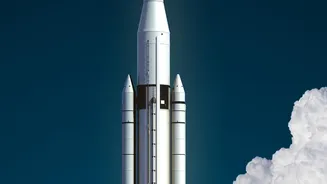
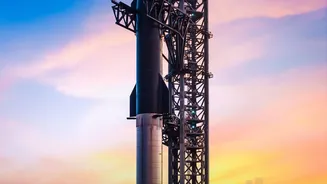
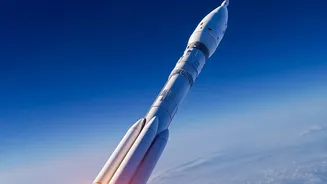
SpaceX’s fifteenth test flight on November 13 was a tale of two vastly different outcomes. The mission began with a spectacular launch from the Starbase facility in Texas, with the colossal Starship rocket soaring toward orbit. However, the plan for a fully
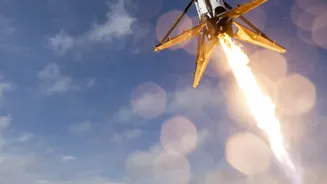
reusable launch system hit a snag shortly after the two stages separated. The Super Heavy booster, intended to fly back to its launch tower and be caught, experienced a malfunction. Early reports suggest a low fuel alarm may have triggered an early shutdown of its boostback burn. The booster’s automated systems determined it was not on the correct trajectory for a safe catch and diverted it for a splashdown in the Gulf of Mexico, where it was destroyed.
The Starship Continues On
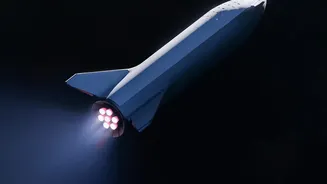
While the booster's loss was a significant setback, the main event was just getting started. The Starship upper stage, or 'ship', continued its journey flawlessly, achieving orbit and beginning its own phase of the mission. Over the next 22 hours, the spacecraft circled the Earth 14 times. During its flight, it successfully deployed 26 of SpaceX's next-generation Starlink satellites into low Earth orbit. This part of the test demonstrated Starship's capability as a functional satellite deployment platform, a key part of its business case. The vehicle performed as expected, setting the stage for the most ambitious part of the flight: its own recovery.
The Catch That Changes Everything
On November 14, after surviving the intense heat of atmospheric re-entry, the Starship vehicle approached its Texas landing zone. This is where history was made. Instead of landing on legs or splashing down in the ocean, the 50-meter-tall spacecraft positioned itself between two giant mechanical arms on the launch tower, nicknamed 'Mechazilla'. In a maneuver of incredible precision, these 'chopsticks' closed around the ship, catching it out of the air and holding it steady. This was the first time an orbital-class spacecraft had ever been recovered this way. The success of this maneuver is a monumental step toward the holy grail of spaceflight: a fully and rapidly reusable rocket system, which could slash the cost of accessing space.
Why This Is Still a Major Win
For any other company, the loss of a massive booster would be seen as a major failure. But SpaceX operates on a unique philosophy of rapid iterative development. Failures are treated as learning opportunities, providing invaluable data that feeds directly into the next design. While the booster was lost, the primary goal of demonstrating an orbital re-entry and catch of the Starship itself was achieved spectacularly. This success validates the most challenging and novel part of the entire Starship architecture. Catching the ship proves that the hardest part of the reusability equation is solvable, a breakthrough that could, in the long run, be far more significant than the loss of a single booster.
The Road Ahead to the Moon and Mars
With the successful ship recovery, SpaceX can now analyze the vehicle and prepare it for a potential re-flight, another crucial step in proving the system's viability. The company will also conduct a thorough investigation into the booster failure to prevent it from happening again. This successful test has major implications for the future. NASA is relying on a version of Starship to land its astronauts on the Moon for the Artemis program. Achieving rapid reusability is key to making the multiple launches required for a lunar mission affordable and practical. While challenges like in-orbit refueling still need to be solved, this historic catch brings Elon Musk's vision of building cities on Mars one giant leap closer to reality.