

Understanding the El Niño Effect
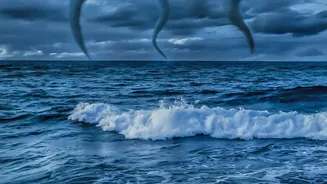
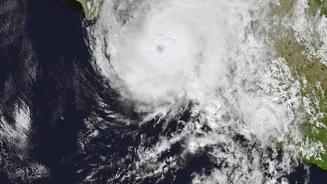
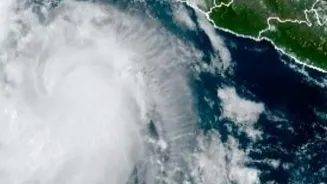
El Niño is a naturally occurring phenomenon characterised by the abnormal warming of surface waters in the central and eastern tropical Pacific Ocean. This massive oceanic heat release disrupts atmospheric circulation patterns across the globe. For India,
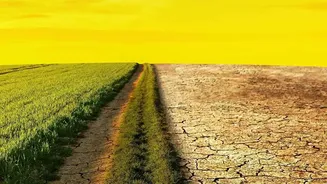
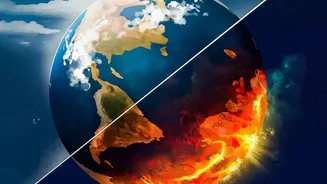
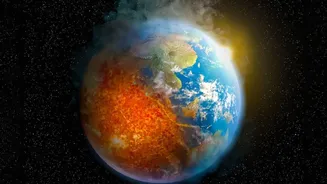
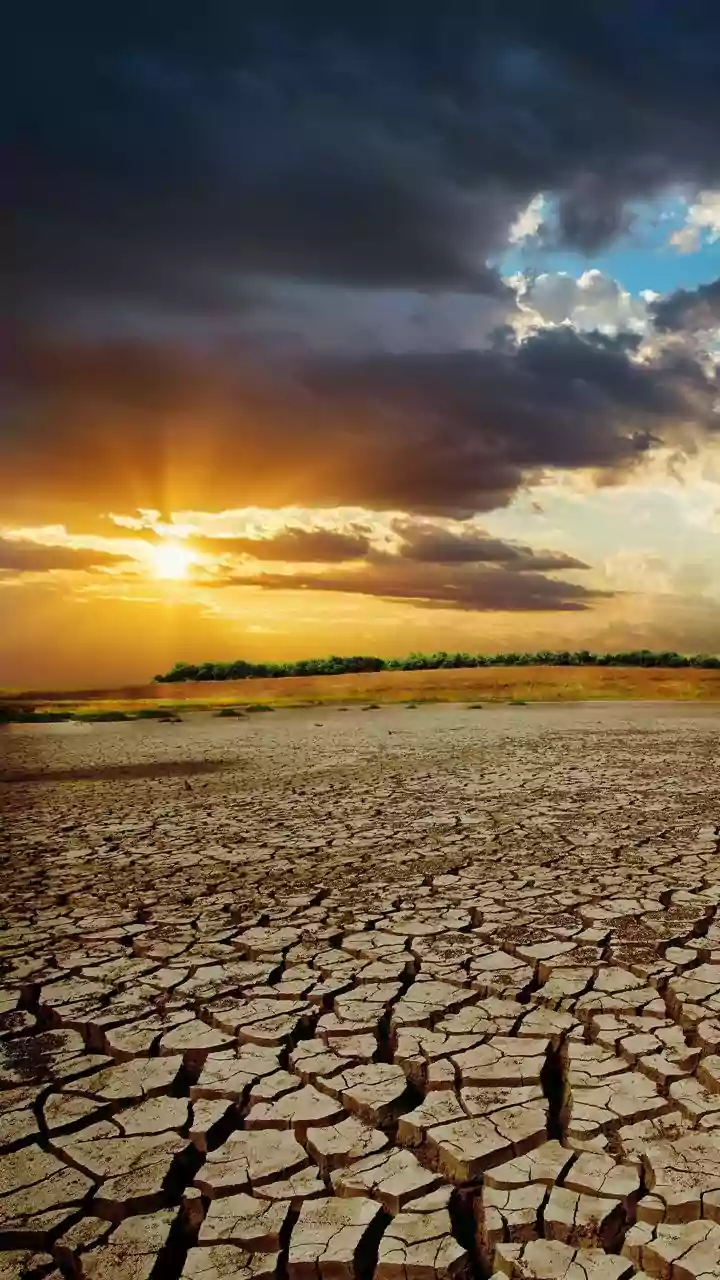
this typically translates into a weaker southwest monsoon, leading to deficient rainfall and drought-like conditions in many parts of the country. While not every El Niño year results in a drought, the historical correlation is strong. Furthermore, these conditions often contribute to higher-than-average temperatures and an increased frequency and intensity of heatwaves, particularly across northwestern and central India.
The Immediate Threat: Heat and Dehydration
The most direct health impact of an El Niño-influenced weather pattern is extreme heat. Prolonged heatwaves significantly increase the risk of heat exhaustion, heatstroke, and severe dehydration, especially among vulnerable populations like the elderly, young children, and outdoor workers. These conditions don't just cause new illnesses; they also worsen existing ones. Heat exposure places additional strain on the cardiovascular system, potentially triggering heart attacks and strokes. It can also lead to acute kidney injury, particularly among those who become dehydrated. The psychological toll is also significant, with studies linking extreme heat to increased anxiety, sleep disturbances, and irritability.
The Ripple Effect on Water and Disease
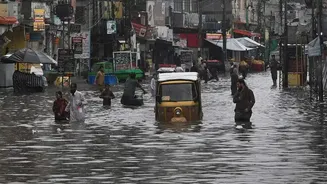
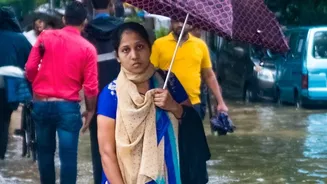
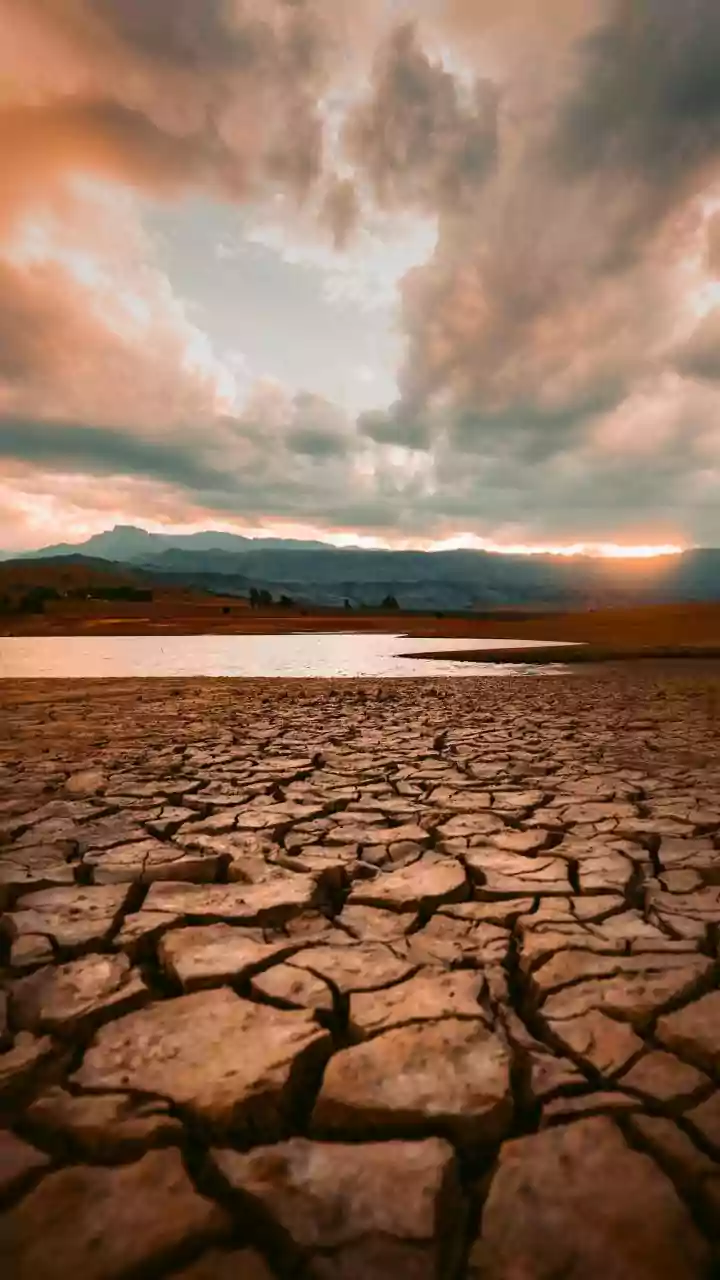
A weakened monsoon leads to another critical problem: water scarcity. As rivers, lakes, and reservoirs dry up, communities may be forced to rely on unsafe or contaminated water sources. This creates a perfect storm for the spread of water-borne diseases. Drying water bodies concentrate pollutants, leading to a surge in illnesses like cholera, typhoid, dysentery, and hepatitis A and E. The lack of sufficient water for personal hygiene further exacerbates this risk. Paradoxically, even in a drought-prone year, El Niño can contribute to short bursts of extreme rainfall, causing flash floods that overwhelm sanitation systems and contaminate drinking water supplies, leading to similar disease outbreaks.
A Breeding Ground for Vector-Borne Illnesses
Changes in temperature, humidity, and rainfall patterns also create ideal breeding conditions for mosquitoes, the vectors for several dangerous diseases. Warmer temperatures and altered humidity can expand the habitat of mosquitoes that transmit dengue, chikungunya, and malaria, potentially leading to outbreaks in new areas or at unusual times of the year. While a direct link cannot be predicted for any single region, the broader trend shows that El Niño's climatic shifts enhance the risk of vector-borne disease transmission, adding another layer of complexity for public health officials.
Food Insecurity and Strained Health Systems
The impact on public health is compounded by the threat to food security. Droughts resulting from a poor monsoon can lead to widespread crop failures, food shortages, and rising food prices. This can result in malnutrition, particularly among the poor and rural communities, weakening their immune systems and making them more susceptible to all forms of illness. All these converging threats—from heatstroke and cholera to dengue and malnutrition—place an enormous burden on India's healthcare infrastructure. Hospitals and clinics must prepare for a surge in patients while often facing their own challenges, such as water shortages or power failures during extreme heat.