


Croatia's dazzling Adriatic coast is no secret, drawing millions to its shores. But fame has a price: crowds and high costs. Rethinking your itinerary can lead to a richer, more affordable experience away from the tourist crush.
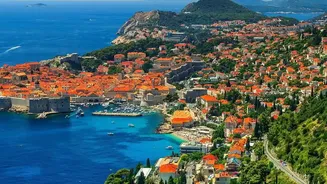
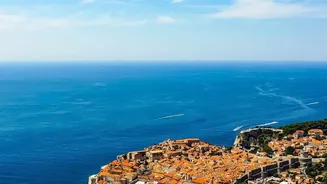
Dubrovnik's Old Town in Peak Season
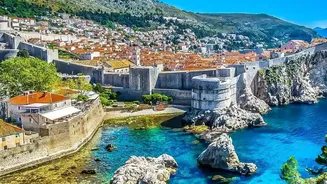
Dubrovnik, the 'Pearl of
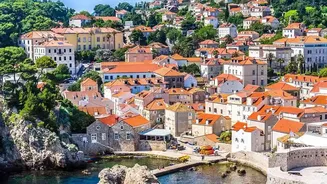
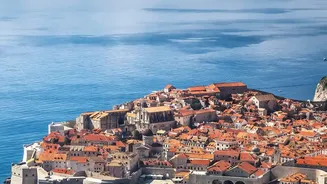
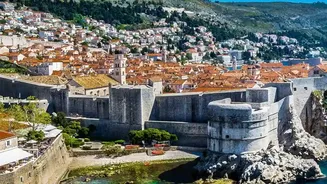
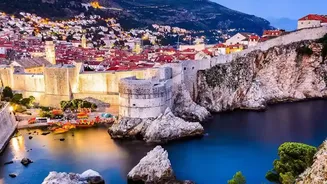
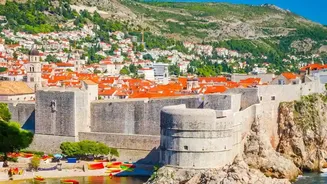
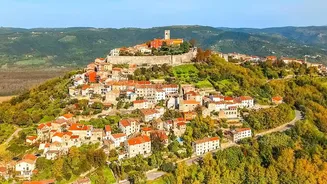
the Adriatic', is undeniably stunning. However, from June to August, the walled city becomes a theme park of its former self. The narrow limestone streets, especially the main thoroughfare of Stradun, are often choked with thousands of tourists from cruise ships and 'Game of Thrones' tours. This popularity inflates prices for everything from a simple coffee to accommodation. A walk on the famous city walls, a highlight for many, now requires an advance booking through a pass system and costs around €35. Instead of joining the midday shuffle, consider visiting in the shoulder months of May or September when the weather is still beautiful, but the crowds are thinner. For a less crowded but equally historic alternative, explore towns like Šibenik, which boasts two UNESCO sites, or the romantic, pastel-hued town of Rovinj in Istria. Both offer a more relaxed atmosphere with a fraction of the crowds and cost.
Plitvice Lakes National Park in Summer
The cascading waterfalls and turquoise lakes of Plitvice are a natural marvel. Unfortunately, in July and August, the narrow wooden boardwalks can feel more like a queue than a nature walk. The experience of serene beauty is often lost to the sheer volume of visitors. The peak season entrance fee reflects this demand, costing €40 per adult for a day ticket in 2026. This doesn't include parking or the long waits that can occur at the park's electric boats and trains. To save money and enjoy the scenery, visit in the shoulder seasons of April, May, or October, when the adult ticket price drops to around €23. The autumn colours in October are particularly spectacular. If you must go in summer, book your ticket for the first entry slot at 7 a.m. or arrive after 4 p.m. for a reduced afternoon price and fewer tour groups. Krka National Park is a popular alternative, though it also gets crowded.
The Party Scene in Hvar Town
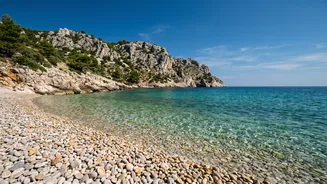
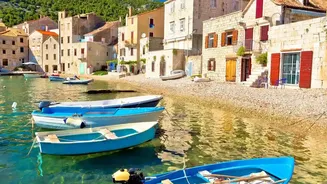
Hvar Town has a reputation as a glamorous party destination, attracting a young, international crowd. While the nightlife is real, it comes with a hefty price tag. Drinks, meals, and accommodation in Hvar Town are among the most expensive in Croatia, with prices compared to Ibiza or New York City. For travellers not seeking a 24/7 party vibe or those over 25, the scene can feel exclusive and overpriced. The island's true charm—its lavender fields, quiet coves, and historic Stari Grad—is often overshadowed by the hype. For a more authentic and affordable island experience, consider the island of Korčula, often called 'Little Dubrovnik' for its beautiful medieval town. Vis is another fantastic option, offering a more laid-back vibe due to its history as a secluded military base.
Split's Diocletian's Palace at Midday
Split's waterfront promenade (Riva) and the ancient Diocletian's Palace at its heart are a vibrant hub of activity. But much like Dubrovnik, the core of Split can become incredibly congested with tour groups, especially during the hours when cruise ships are in port. This can make exploring the magnificent Roman ruins a frustrating experience. While walking through the palace itself is free, the crowds can detract from the magic. Instead of fighting the crowds, explore the palace in the early morning or evening. For a different vibe, head to Zadar. This city offers a fascinating mix of ancient Roman ruins and modern art installations like the famous Sea Organ and Greeting to the Sun, all with fewer crowds and lower prices than Split. Zadar also serves as a great base for exploring nearby islands and national parks.
Restaurants on the Main Tourist Strips
A meal with a view of Hvar's harbour or Dubrovnik's Stradun sounds idyllic, but it's often a classic tourist trap. Restaurants in these prime locations typically charge a significant premium for the view, while the food quality may not match the price. You'll pay 30-50% more for a meal that is often generic and less authentic than what you could find just a street or two away. To eat well and save money, venture into the side streets. Look for a 'konoba', a traditional tavern-style restaurant favoured by locals. These smaller, often family-run establishments serve authentic, high-quality Croatian food at a much more reasonable price. Don't be afraid to ask a local for their favourite spot; you'll likely be rewarded with one of the best meals of your trip.