





The Core Difference: Cardio vs. Calm
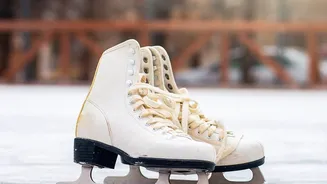
At its heart, the choice between skating and Tai Chi is a choice between two distinct types of physical and mental engagement. Roller skating, whether on quad or inline skates, is a powerful cardiovascular workout. It strengthens your heart, builds lower-body
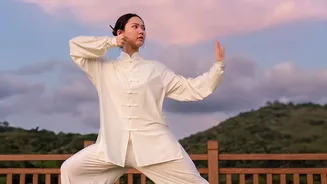
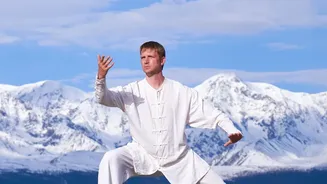
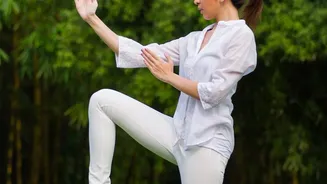
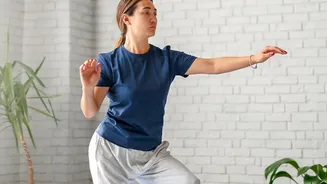
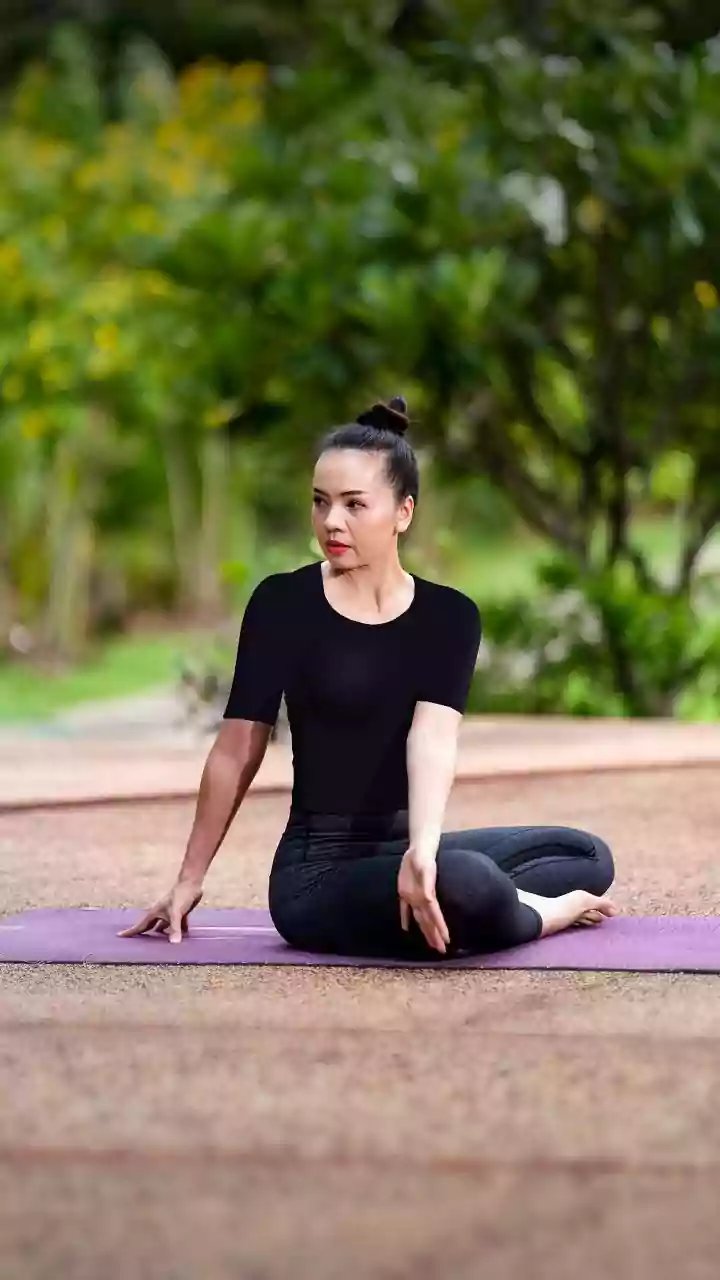
and core strength, and can burn between 300 to 600 calories an hour. The focus is on dynamic movement, momentum, and improving balance through constant adjustment.Tai Chi, often called 'meditation in motion', offers a completely different experience. It is a low-impact exercise built on slow, deliberate, and flowing movements coordinated with deep breathing. Its primary benefits are mental as well as physical, with studies showing it effectively reduces stress, improves mood, enhances focus, and boosts cognitive function. While skating provides an energetic release, Tai Chi cultivates a sense of inner peace and equilibrium.
Getting Started: Gear, Costs, and Accessibility
Your initial investment will differ significantly. For skating, the essential items are skates and protective gear, including a helmet, wrist guards, and pads. A reliable beginner setup typically costs between $100 and $150. After this one-time purchase, skating outdoors is free. Indoor rink sessions are an additional, but generally modest, cost.Tai Chi requires almost no initial equipment. All you need are loose, comfortable clothes. The primary cost is instruction. While free videos and community park groups exist, most beginners benefit from a paid class to learn proper form. These can range from affordable community centre courses to more expensive studio memberships, which might cost $75 to $165 per month. Online classes offer a more budget-friendly and flexible alternative.
The Practice Space: Indoor vs. Outdoor
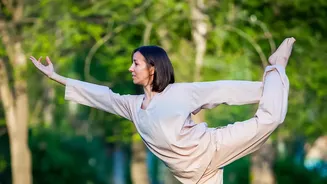
The environment where you practice dramatically shapes the experience for both activities.For skaters, the main difference is the surface. Indoor rinks offer smooth, predictable floors perfect for learning, practicing dance moves, and socializing in a controlled climate. Outdoor skating provides the freedom of open spaces like parks and trails but introduces challenges like cracks, debris, and unpredictable weather. The wheels on your skates are key; outdoor wheels are softer to absorb shock, while indoor wheels are harder for speed and glide. Many skaters simply swap their wheels rather than buying two separate pairs of skates.For Tai Chi, the choice is more about atmosphere. Practicing outdoors connects you with nature, fresh air, and sunlight, which can deepen the meditative benefits and reduce stress. The uneven ground of grass or sand can also enhance balance training. Indoor practice, however, provides a quiet, distraction-free space. This controlled environment is often ideal for beginners to focus on mastering the intricate forms and postures without worrying about the elements.
Finding Your Community: Social vs. Solitary
The social aspect of these activities can also be a deciding factor. Skating is often a highly social activity. Rinks are hubs of community, and outdoor skate groups frequently organize to explore trails and city streets together. It's an activity that naturally lends itself to meeting new people and sharing a fun, energetic experience.Tai Chi can be whatever you need it to be. Many people enjoy it as a solitary practice, using the time for personal reflection and quiet focus in their home or a peaceful park. However, it is also commonly practiced in groups, fostering a sense of community and shared purpose. Group classes in studios or parks provide a supportive environment to learn and grow with others, combining the benefits of social connection with mindful movement.