



Why Trek in the Monsoon?
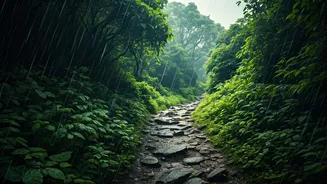
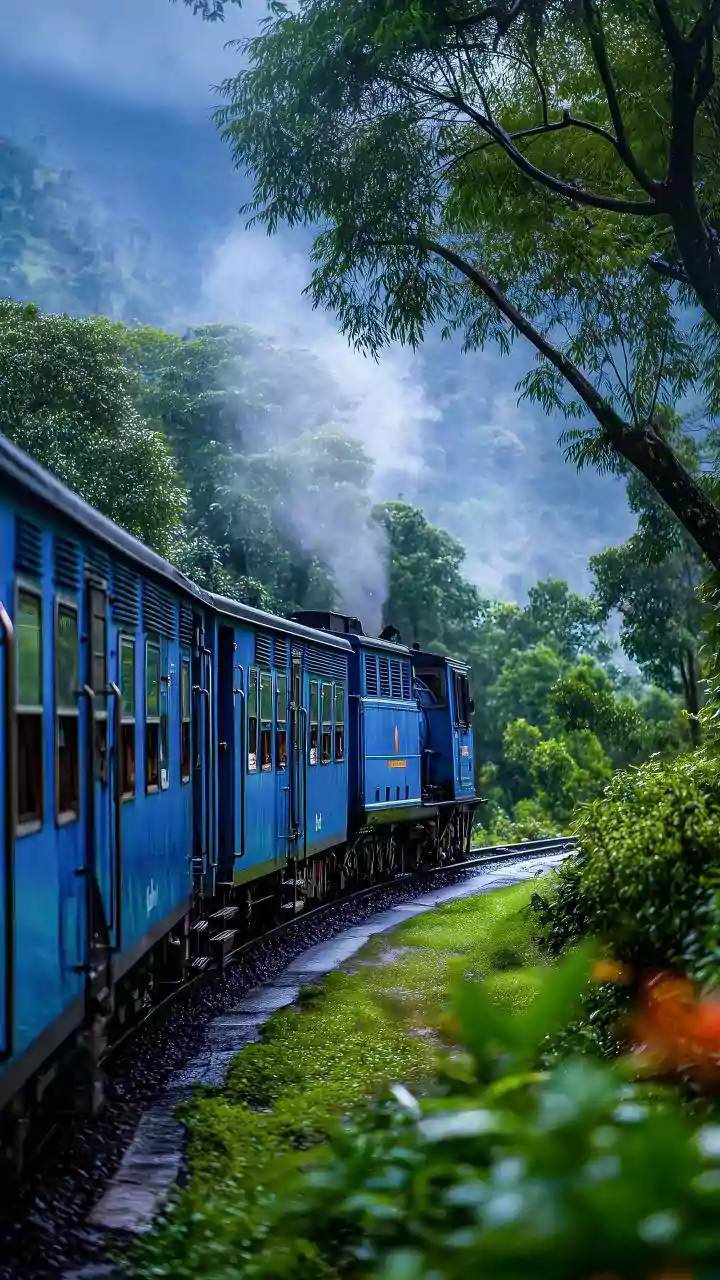
Trekking during the rainy season is a mystical experience. The earth smells alive, waterfalls burst into existence, and the hills are painted in countless shades of green. It’s a time when nature is at its wildest and most beautiful, offering a refreshing
escape from the summer heat. With fewer crowds on the trails, you can enjoy a more peaceful and intimate connection with the environment. The misty, cloud-kissed hills and vibrant landscapes create unforgettable memories and stunning photographic opportunities.
Choosing Your First Monsoon Trek
For a beginner, it's crucial to select a well-marked and relatively easy trail. The Western Ghats in Maharashtra are an excellent starting point, with numerous forts and valleys that are perfect for monsoon trekking. Trails like Visapur Fort, Korigad Fort, and Sondai Fort are popular among beginners because they are well-trodden and offer stunning scenery without being overly strenuous. Other great options across India include Sinhagad Fort near Pune and the famous Valley of Flowers in Uttarakhand, which blooms spectacularly during this season. Always research your chosen trail, check local weather conditions and alerts before you leave, and, if possible, go with a group or a local guide.
Essential Gear: Staying Dry and Comfortable
The right gear is non-negotiable for a safe and enjoyable monsoon trek. Your top priority should be staying dry. Invest in a good quality waterproof jacket or a poncho; ponchos have the added advantage of covering your backpack as well. Your clothing should consist of quick-drying synthetic fabrics, as cotton absorbs moisture and takes a long time to dry, which can make you cold. Pack at least two or three pairs of quick-dry t-shirts and trekking pants. A waterproof backpack or a reliable rain cover for your existing bag is also essential to protect your belongings from downpours.
Footwear: Your Most Important Ally
Never compromise on footwear for a monsoon trek. Regular sports shoes lack the necessary grip for slippery, muddy trails. You need proper trekking shoes with deep treads and good ankle support to maintain your balance on wet rocks and uneven paths. Waterproof shoes are ideal, but even with them, it's wise to carry multiple pairs of socks. Synthetic or wool-blend socks are better than cotton as they wick moisture away from your skin, helping to prevent blisters. It's also a good idea to pack a pair of lightweight floaters or sandals for your campsite or for crossing small streams safely.
Safety First: Navigating the Trails
Safety should always be your primary concern. Always check the weather forecast before you start and be prepared for sudden changes. Start your trek early in the day to avoid low visibility in the afternoon. A trekking pole can be a great help, providing an extra point of contact for better stability on slippery terrain. Carry a basic first-aid kit with antiseptic, bandages, pain relief spray, and any personal medications. It's also wise to pack insect repellent. To deal with leeches, which are common in monsoon forests, you can wear leech-proof socks or apply salt or sanitiser if one latches on. Always inform someone about your route and expected return time.
Packing Smart: The Little Things That Matter
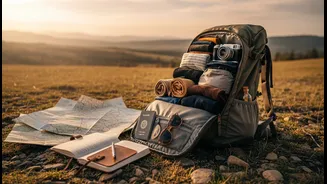
Beyond the big-ticket items, a few small things can make a huge difference. Use dry bags or even thick plastic bags inside your rucksack to compartmentalise and provide an extra layer of waterproofing for electronics, clothes, and food. A sun cap worn under your raincoat's hood can be surprisingly effective at keeping rain from dripping onto your face and obstructing your vision. Pack high-energy snacks like nuts, granola bars, and dates to keep your energy levels up. Finally, carry a flashlight, extra batteries, and a power bank, ensuring they are all protected from moisture.