








More Than Just a List
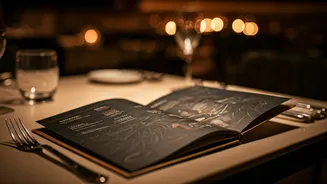
For generations, a menu served a simple purpose: to tell you what a kitchen offered and how much it cost. But a quiet revolution is taking place on that single sheet of paper. Restaurants across India and the world are transforming their menus into rich,
narrative experiences. Instead of “Grilled Fish,” you might find “Pan-Seared Red Snapper, caught off the Malabar coast and served with a tangy raw mango slaw inspired by the chef’s grandmother.” This isn't just food; it's a story. This shift reflects a change in what we, as diners, seek. We're no longer content with just a meal; we crave an experience, a connection. Restaurants are responding by making the menu the first chapter of that experience. It’s a tool to communicate a restaurant’s brand, whether that’s a commitment to sustainability, a celebration of heritage, or a showcase of modern culinary innovation.
The Psychology of a Good Story
This trend is deeply rooted in psychology. Studies have shown that descriptive, sensory language can do more than just make a dish sound appealing; it can actually make it taste better in our minds. Words like “succulent,” “handcrafted,” “slow-roasted,” or “sun-ripened” trigger our senses and build anticipation. Research has found that using evocative descriptions can increase a dish’s sales significantly. When a menu tells you a story—perhaps about the farmer who grew the vegetables or the family recipe behind the sauce—it creates a powerful emotional connection. This narrative justifies a higher price point and makes diners feel more satisfied with their choice, fostering a sense of trust and loyalty. It turns a simple transaction into a shared experience between the chef and the guest.
From Farm to Fable in India
This narrative approach is thriving in the Indian dining scene. In Mumbai, The Table has been a pioneer, famously highlighting its farm-to-table ethos by detailing the journey of its ingredients on the menu. Restaurants in cities like Pune and Lucknow are also using storytelling to stand out in a competitive market. Some menus weave in tales of cultural heritage, transforming a traditional thali into a journey through a region’s history. Others focus on the chef's personal story, sharing childhood memories or inspirations that led to a dish's creation. Themed restaurants, particularly in hubs like Bangalore, are taking this even further, where the entire ambiance and the menu work together to immerse diners in a fictional world. It’s a clear sign that diners are hungry for authenticity and a deeper meaning behind what’s on their plate.
Is It All Just Clever Marketing?
Of course, there is a strong business case for the narrative menu. It’s a powerful marketing tool designed to guide customer choices and increase spending. Psychologists and menu engineers have long known that layout, font choices, and strategic placement of high-profit items can influence what we order. The narrative layer adds another persuasive dimension. However, to dismiss it as just a marketing gimmick would be to miss the point. For many chefs and restaurateurs, storytelling is a genuine expression of their passion and values. In an age of mass production, a menu that tells a true story about craft, quality, and heritage offers something genuinely special. The most successful narrative menus are those rooted in authenticity, where the story on the page is matched by the quality on the plate.