


A trip combining Helsinki’s urban cool with Lapland’s arctic magic is a dream for many. But success lies in the details. Treating Finland as two distinct destinations is the key to a smooth, unforgettable adventure.
Two Worlds, One Trip
Understand that you are planning a visit
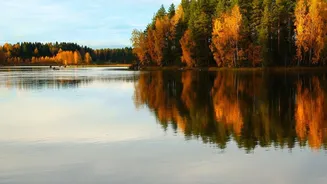
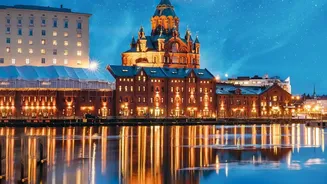
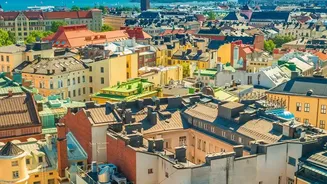
to two very different places. Helsinki, the capital, is a compact, walkable city brimming with design, saunas, and vibrant food markets. Lapland, hundreds of kilometres to the north, is a vast, sparsely populated wilderness where the main attraction is nature itself—from the Northern Lights to reindeer and husky safaris. A common mistake is underestimating the travel time between them. A minimum of seven or eight days is recommended to give both destinations the time they deserve without feeling rushed.
Mastering the Logistics
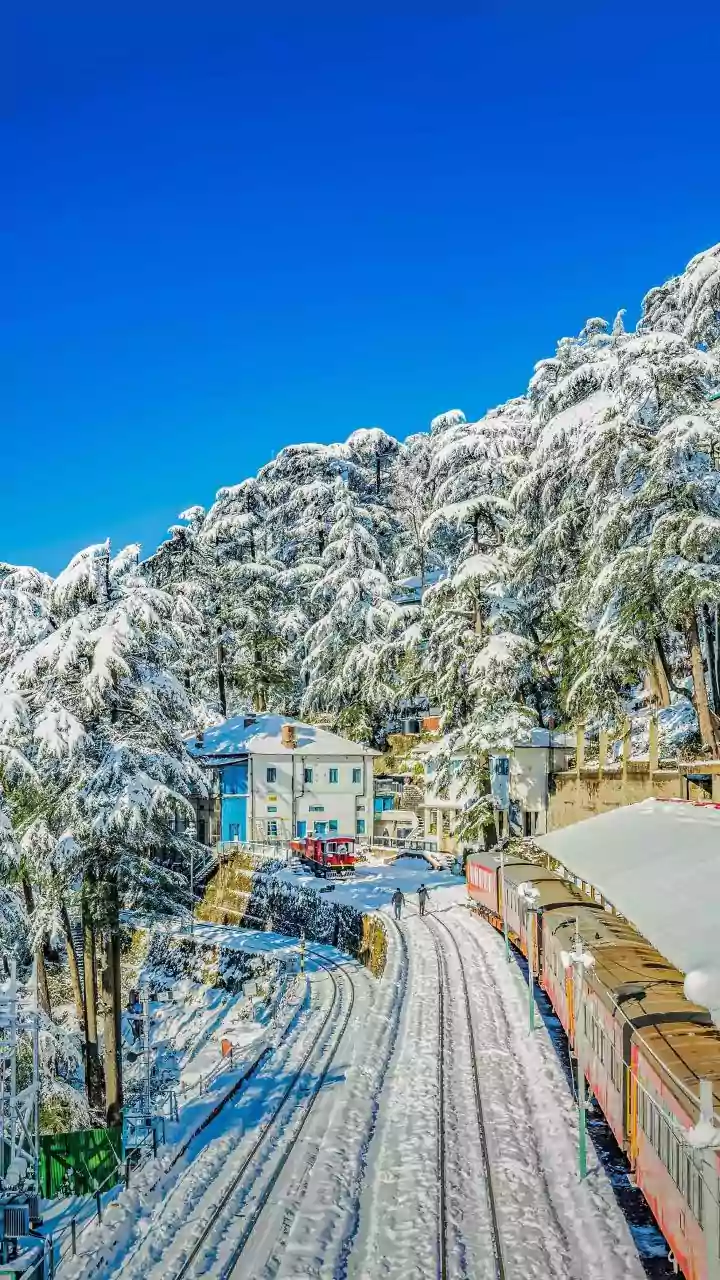
Getting from Helsinki to Lapland requires a dedicated travel leg. The two primary options are flying or taking the overnight train. A flight from Helsinki to a Lapland airport like Rovaniemi takes about an hour and a half, making it the fastest method. Alternatively, the 'Santa Claus Express' night train offers a uniquely Finnish experience. You can book a private sleeper cabin, fall asleep in the south, and wake up nearly 12 hours later amidst the snowy landscapes of the Arctic Circle. While the train is slower, it saves you the cost of one night's accommodation and adds a memorable chapter to your journey. Buses are the most budget-friendly option but are also the longest and least comfortable for the 11-plus hour journey.
Timing Is Everything
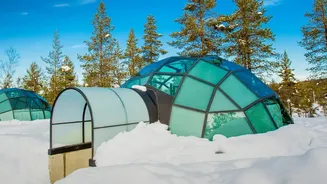
Your experience will be entirely shaped by when you visit. For a classic winter wonderland with deep snow and festive charm, plan for December through March. This is the peak season for snow activities and visiting Santa Claus Village. However, if your main goal is to see the Northern Lights, the season runs from late August to early April. Many experts consider September-October and February-March the 'sweet spots', offering long, dark nights with a higher chance of clear skies and fewer crowds than the peak Christmas period. Regardless of when you go, book popular activities like husky safaris, Northern Lights tours, and any special accommodation like glass igloos months in advance, especially for travel between December and February.
Helsinki Highlights for a Short Stay
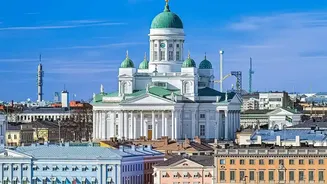
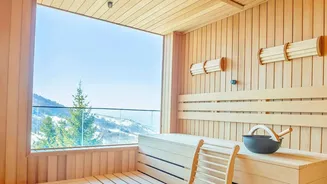
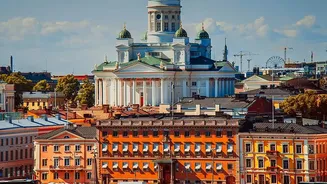
With two or three days in Helsinki, you can cover the essentials without feeling overwhelmed. Start at Senate Square to see the iconic white Helsinki Cathedral. From there, wander down to the Market Square (Kauppatori) by the harbour for local treats. A short ferry ride will take you to Suomenlinna, a sprawling 18th-century sea fortress and UNESCO World Heritage site that deserves at least three to four hours of exploration. Don't leave without experiencing a traditional Finnish sauna; public options like Löyly and Allas Sea Pool offer a modern take on this essential cultural ritual.
Packing for the Arctic Circle
Dressing for Lapland in winter is a matter of safety and comfort, as temperatures can plummet to -25°C or lower. The key is layering. Avoid cotton, which traps moisture and makes you cold. Instead, start with a thermal base layer made of merino wool or a synthetic equivalent. Add a mid-layer like a fleece jacket or wool jumper. Your outer layer should be a windproof and waterproof jacket and trousers. While activity providers usually supply heavy-duty thermal suits and boots for excursions, you'll need your own gear for walking around town. A warm hat that covers your ears, thick wool socks, and mittens are non-negotiable.
Budgeting for Your Finnish Adventure
Finland is one of Europe's more expensive destinations, and a trip combining Helsinki with Lapland requires careful budgeting. Excluding international flights, a comfortable mid-range trip can cost between ₹1,50,000 and ₹2,20,000 per person for a week. This would typically cover mid-range hotels, a mix of restaurant meals and self-catering, public transport, and a few key activities. Lapland activities like husky sledding and snowmobile tours are significant expenses, as are stays in unique accommodations like glass-roofed cabins. To manage costs, book flights and trains well in advance, consider staying in apartments with kitchens, and mix paid excursions with free outdoor activities like hiking or simply enjoying the scenery.