





Saturn at its Brightest
October kicks off with a spectacular view of the ringed planet, Saturn. On October 4, Saturn reached opposition, meaning Earth passed directly between it and the Sun. This alignment makes the planet appear at its closest and brightest for the entire year.
For observers in India, Saturn rises in the eastern sky around sunset (approximately 6:11 PM) and remains visible all night, tracking across the sky before setting in the west around sunrise. While you can spot its steady, yellowish light with the naked eye, even a small telescope or a good pair of binoculars will offer a much more rewarding view, possibly even revealing its famous rings, which are currently tilted about 7.5 degrees toward us. The nights immediately following the opposition are still excellent for viewing.
The Draconid Meteor Shower: An Evening Treat
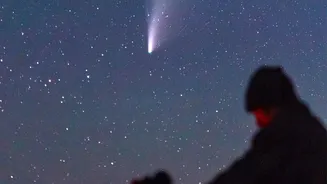
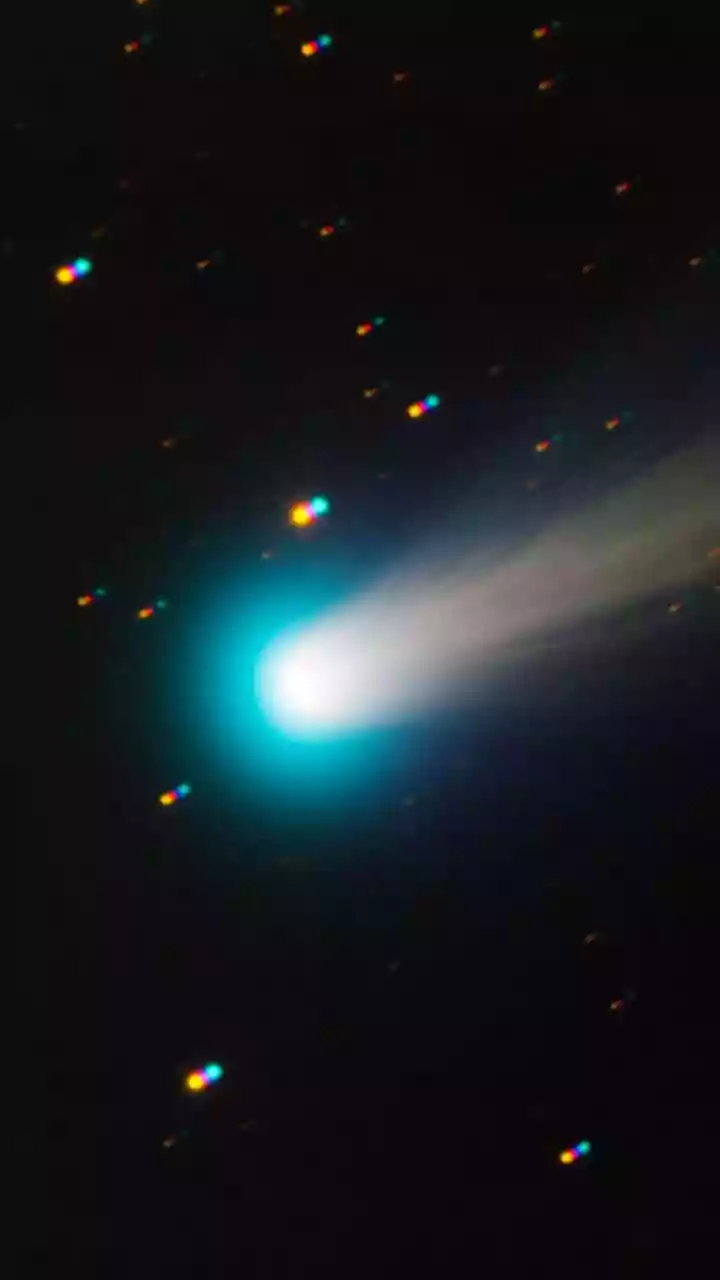
The first of two meteor showers this month is the Draconids, active from October 6 to 10. The best night to watch will be the peak on October 8-9. Unlike most meteor showers that require staying up until the early morning hours, the Draconids are best viewed in the evening, just after full darkness sets in. This year offers excellent viewing conditions as the shower peaks near the new moon, meaning darker skies with no moonlight to wash out the spectacle. The Draconids are typically a gentle shower, producing about 5 to 10 slow-moving meteors per hour. These 'shooting stars' are debris left behind by the comet 21P/Giacobini-Zinner. Though a major outburst isn't predicted, the Draconids have been known to surprise, so it’s worth heading out for a look.
The Orionid Meteor Shower: Fast and Bright
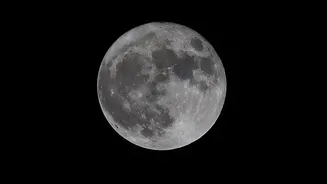
Arguably the main event of the month is the Orionid meteor shower, produced by dust from the famous Halley's Comet. This shower is active from early October to early November, but it will peak on the night of October 21-22. Known for their speed and brightness, the Orionids can produce up to 20 meteors per hour during their peak. The main challenge for this year's shower is the waxing gibbous Moon, which will be bright in the evening sky. However, the Moon sets after midnight, leaving the pre-dawn hours of October 22 as the prime window for viewing. Find a dark spot, let your eyes adjust, and look towards the constellation of Orion to catch these swift, often bright meteors streaking across the sky.
Tips for Urban Skywatchers
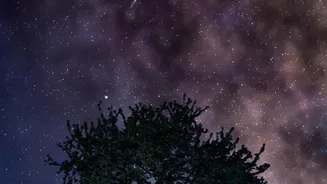
Living in a city doesn't have to mean missing out. To maximize your chances of seeing these celestial events, a few simple tips can make all the difference. The most important step is to get away from direct light pollution. Find a local park, a rooftop, or even just a darker corner of your neighbourhood with an open view of the sky. Give your eyes at least 15-20 minutes to adapt to the darkness; this means putting away your phone. For meteor showers, no special equipment is needed. Simply lie back on a blanket or a reclining chair, look up, and be patient. For planet-gazing, while the naked eye works, a pair of binoculars can dramatically enhance your view, bringing planets from simple points of light into fascinating worlds.